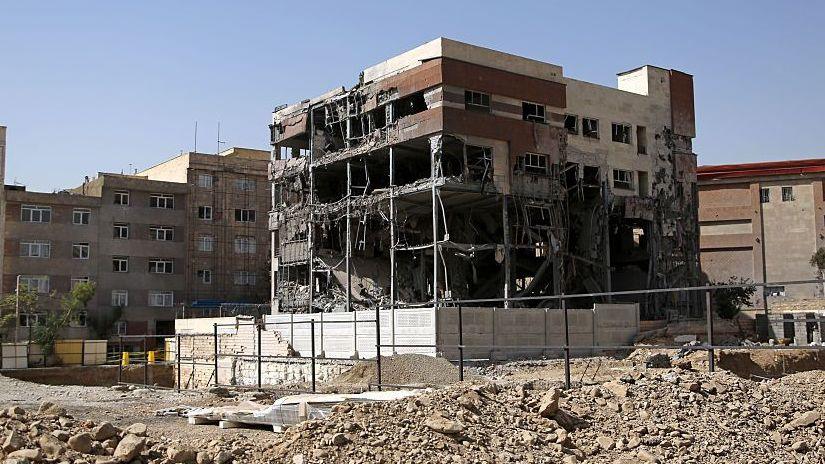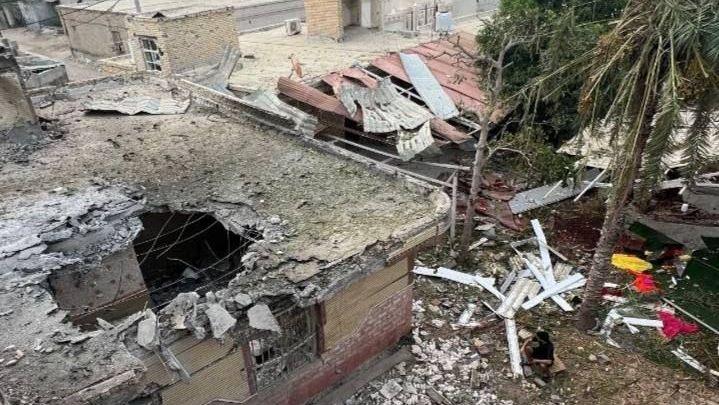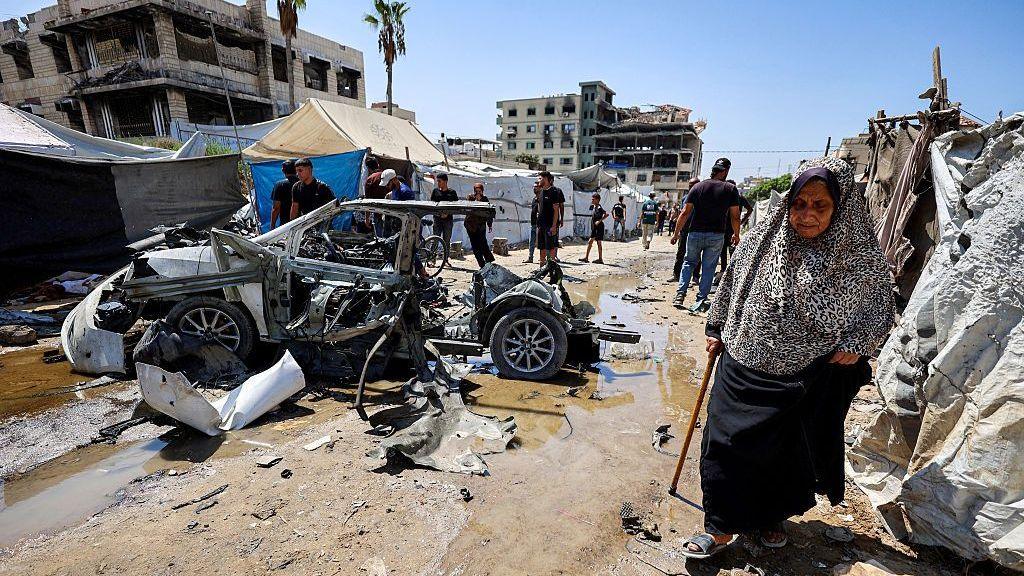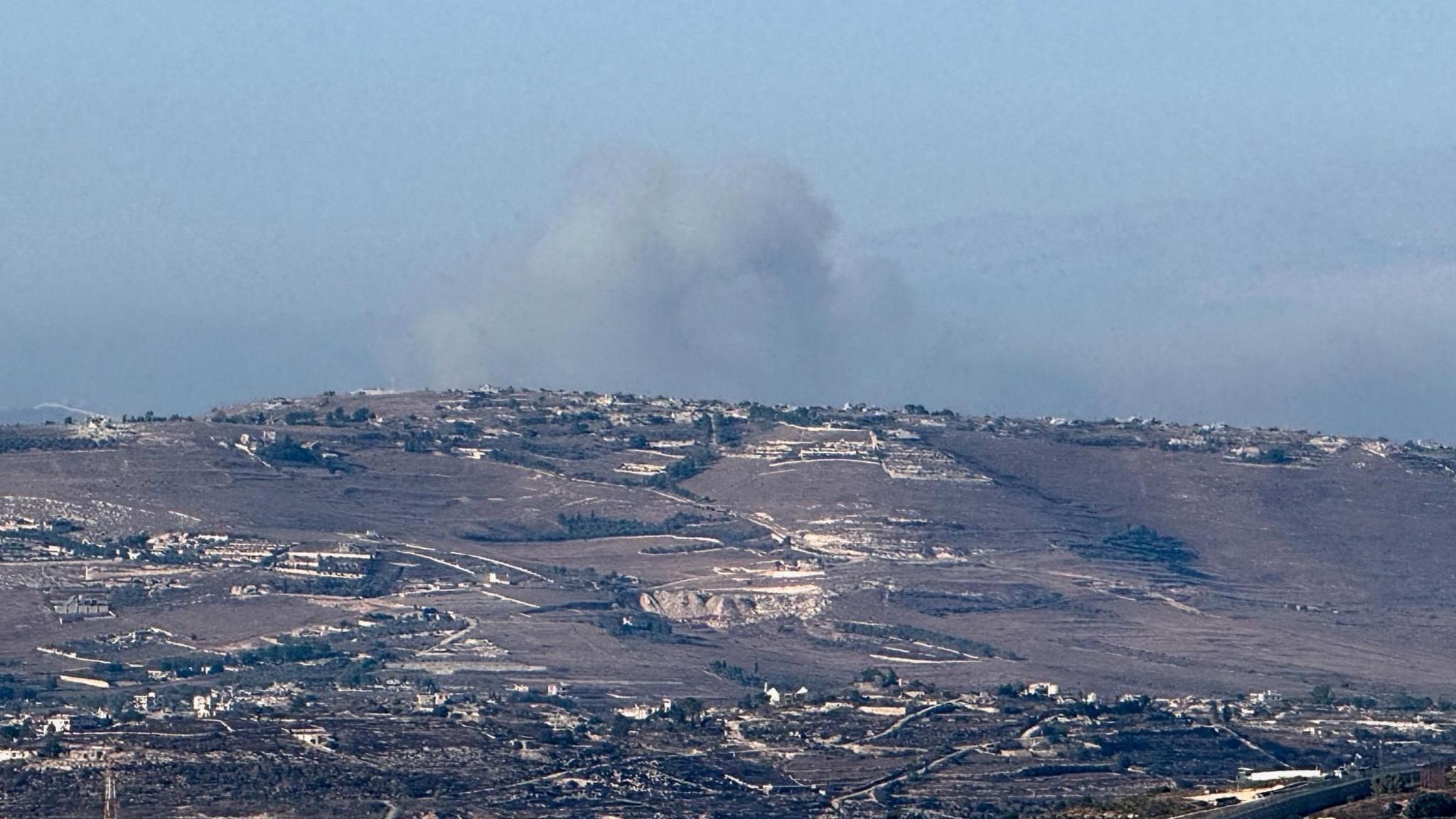
Israeli forces struck a prayer hall roof in the cemetery of Tibnin, killing one and wounding twelve residents, the Lebanese health ministry reported. The strike followed claims by Israel that the Iran‑backed Hezbollah had violated the ceasefire in a “blatant” manner.
In the west, the town of Mansouri faced its first evacuation order in more than a month after Israeli warplanes delivered four lethal strikes on buildings and villas in the Ghazaleh neighbourhood, according to the mayor, Haidar Madihli. Families hurried to pack cars with belongings, heading toward Tyre.
The evacuation was executed by the Israeli army, which called the area a 10‑kilometre “security zone” along the border that Israel has occupied. Closed checkpoints were set up by the Lebanese army, an action described as a breach of the ceasefire framework agreed upon in Rome.
Hezbollah has declined to comment. Meanwhile, the UN’s humanitarian office noted that while more than 820,000 displaced people have begun returning to Lebanon, 360,000 remain in exile, 26,000 of them in government shelters. The ceasefire, which was declared on 19 June, has seen a spike in Israeli strikes, topping the casualty toll at 4,333, including 392 women and 253 children, according to the Lebanese health ministry. Israeli troops reported 38 soldiers and four civilians killed.
The latest attack comes against a complex backdrop of the trilateral framework agreed in late June — a phased Israeli withdrawal from occupied southern Lebanon in exchange for Hezbollah disarmament. The plan has advanced slowly, with Israeli troops pulling out of Zawtar al‑Gharbiyeh allowing Lebanese forces to regroup there as a pilot zone. Hezbollah’s rejection of the agreement has underscored the fragility of peace prospects. The current escalation could well dictate the success or failure of the Rome‑sponsored talks.