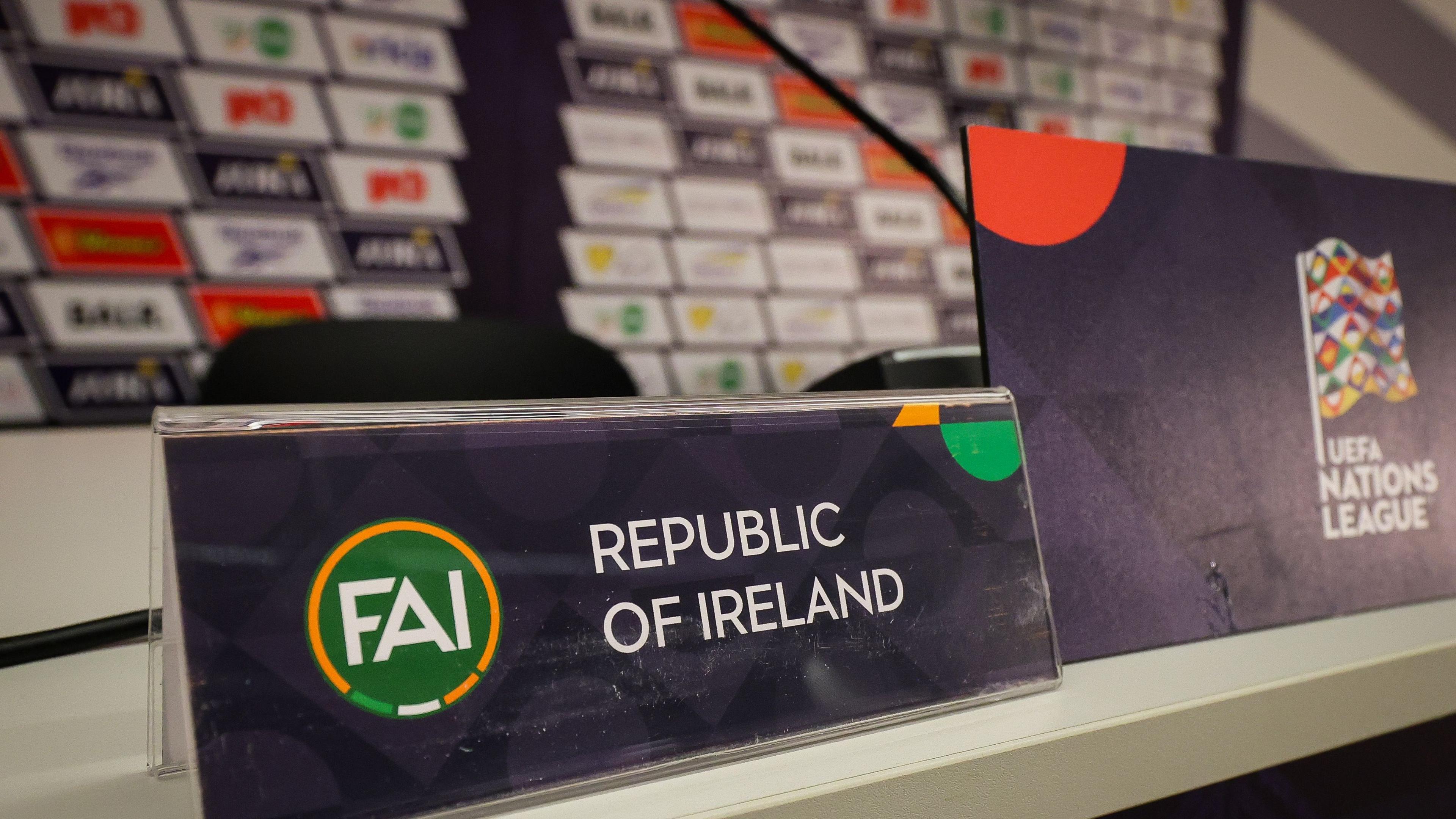
The Republic of Ireland football team will gather in Debrecen, Hungary, on Sunday to face Israel in the UEFA Nations League, having reached a majority vote to play after an initial withdrawal by goalkeeper Gavin Bazunu over political concerns.
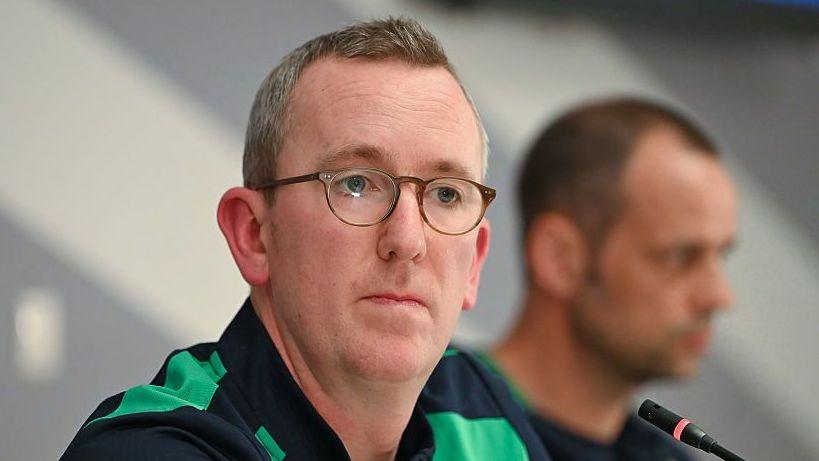
Football Association of Ireland chief executive David Courell confirmed a significant delegation of the squad will don black armbands in tribute to those lost in the Gaza conflict, a gesture that is also planned for the return fixture in Serbia. Courell added that the team will forego certain pre‑match traditions and will donate part of the match income to related charities.
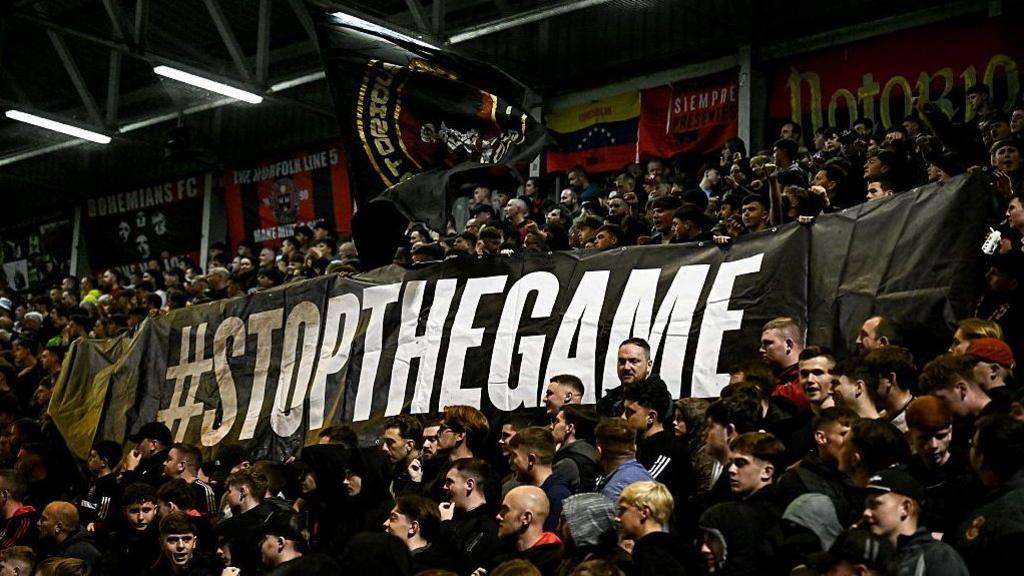
The decision came after a standoff on Saturday morning when the squad met at their hotel to discuss whether to honour the call for a boycott from the pressure group Irish Sport for Palestine. A four‑hour conversation with coaching staff and senior players ultimately produced a vote that was described as a “significant majority” in favour of proceeding with the game.
The controversy has drawn international commentary: Belgium’s ex‑international James McClean and former manager Brian Kerr have publicly backed the boycott, while Israel’s Football Association praised Ireland’s decision to play, saying “football has won.” The Israeli side also confirmed it will appeal yellow cards received by Sayed Abu Farhi in a preceding match against Austria.
If history had taken a different turn, one timeline sees the Irish squad withdrawing entirely and the match being scratched, while another envisions a delayed fixture that proceeds without any symbolic armbands. These alternate futures illustrate the razor‑thin line between sportsmanship and political statement in the current age of global sport watch‑states.
As the tension looms on match day, both teams are poised on a precipice where the ball might become a vessel of both controversy and hope.