

Iran’s Missile Onslaught Signals an Evolving Doctrine
When Tehran launched a barrage of missiles and drones over Israeli airspace overnight—a direct response to an Israeli strike on a Hezbollah‑linked building in Beirut—its immediate military impact was modest, but the political ramifications are already shaping the region’s strategic calculus.
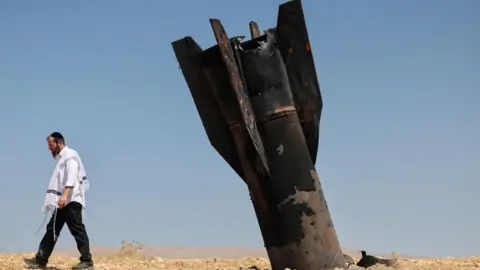
For years, Iran’s public narrative framed its attacks as retaliation for actions against its territory or leadership. This time, the regime moved beyond that logic, responding instead to a strike on an ally—consolidating its image as the defender of the ‘Axis of Resistance.’
The decision to strike – despite potential escalation and the slippery slope it creates for U.S. peace talks – suggests a recalibration: Tehran now positions itself as a resilient power that can afford both deterrence and diplomacy. By linking attacks on regional allies to actions against Israel, Iran signals it will not tolerate separate incursions against its partners. This serves several aims: it warns Hezbollah, Iraqi militias and other allies that support will be demanded, and it reminds Washington and Israel that the Islamic Republic continues to hold military options.
“Iran joining the conflict to defend Lebanon is loyal and right…the attack was in response to the other side breaking ceasefire rules.” – BBC Persian viewer.
There are also domestic voices questioning the focus on Lebanon: journalists note “For nearly two months there has been some fighting in southern Iran… it seems that southern Lebanon is considered more important than southern Iran.”
Opposing opinions range from concern over escalation to optimism that the strike is a calculated show of strength. Some viewers argue the clash is not serious and may not trigger a full‑scale war, seeing the move as political theatre for domestic supporters. Others suspect the regime is pushing back against a stalling dialogue on the nuclear deal, using military action to regain leverage before negotiations resume.
Ultimately, the strike underscores that Tehran now believes it can absorb further Israeli retaliation while pursuing diplomacy. Whether this bold stance will secure a new regional reality—one where Iran negotiates from position of strength while bearing its red lines—remains to be seen.

