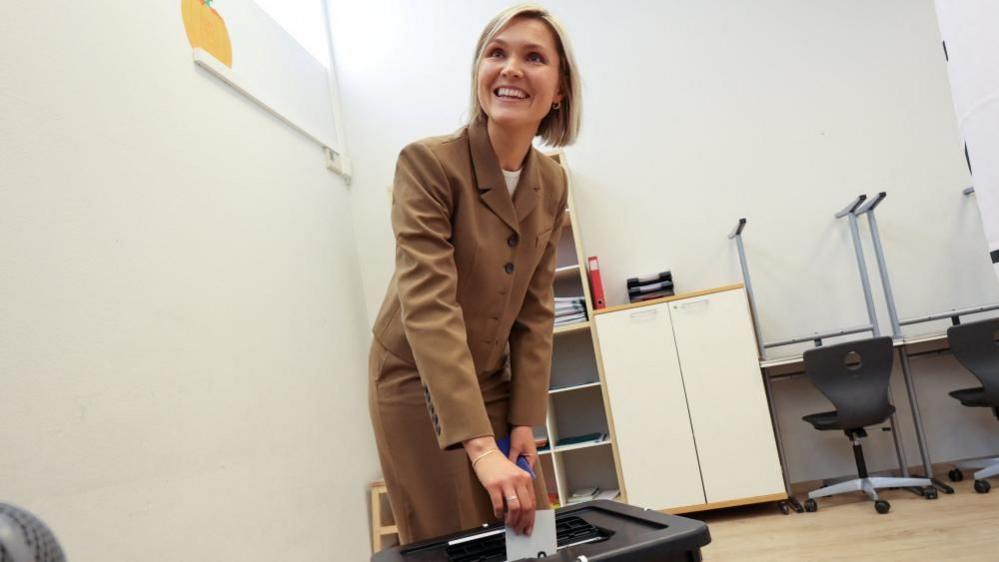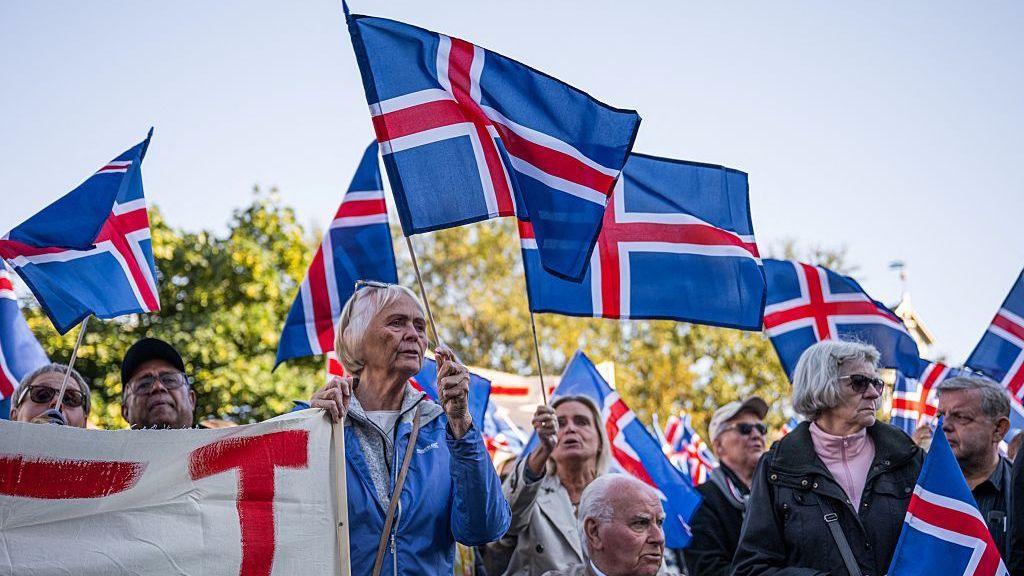
Icelanders prepare to vote on whether to resume talks with the European Union, ending 13 years of stalled negotiations.
The final voter turn‑out has been described as a tight race: the latest poll shows the No campaign ahead at 51.6%, while an earlier poll flipped the advantage toward Yes. The result could swing in favour of either side, with the vote taking place between 09:00 and 22:00 GMT on Saturday and results expected in the early hours of Sunday.
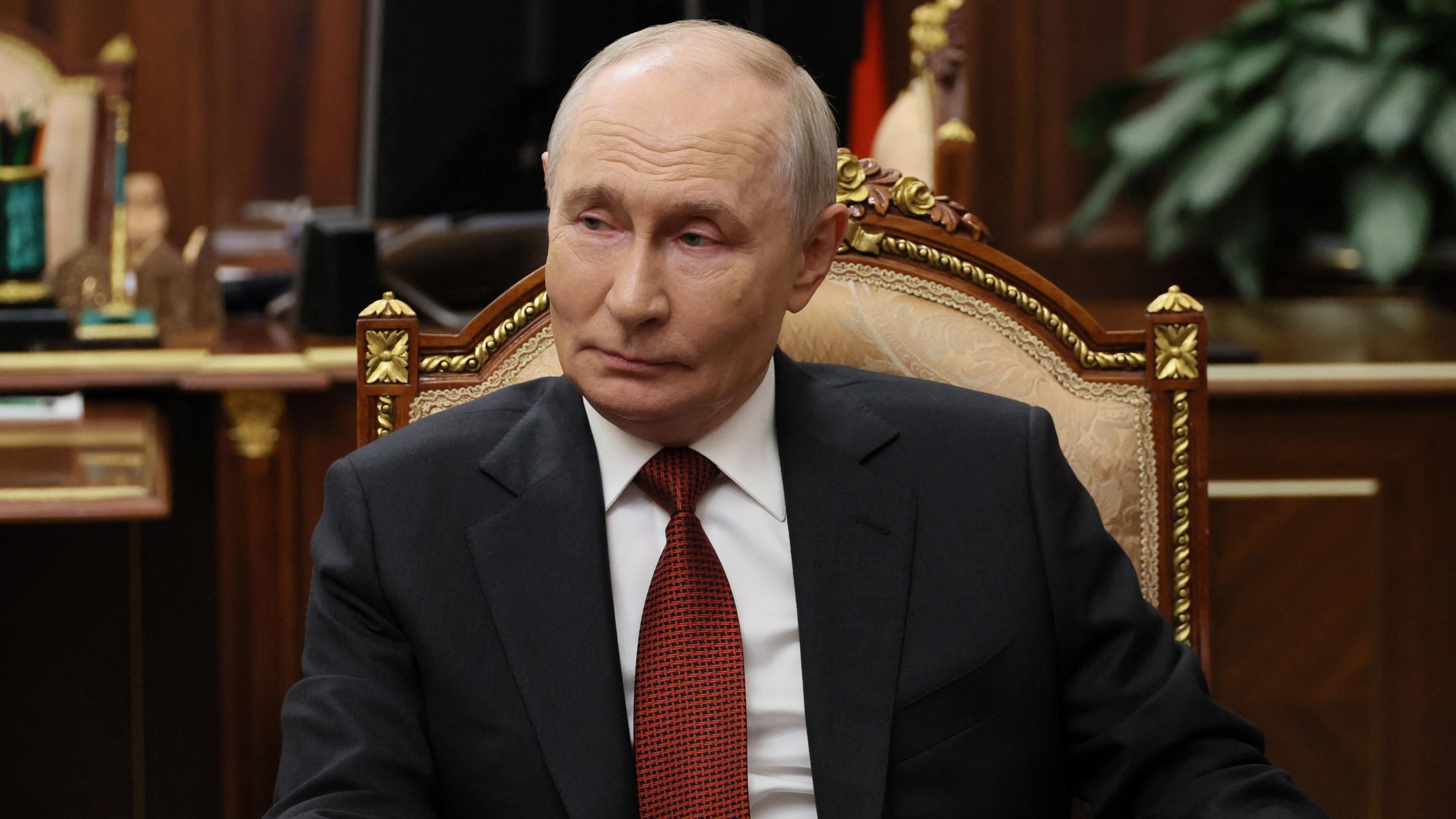
Prime Minister Kristrún Frostadóttir’s centre‑left government had already been planning a referendum but moved the date forward amid international turbulence. The debate has therefore moved away from NATO security concerns to prioritise the country’s fishing industry and sovereignty over marine resources.
What the Question Means
Voters answer: "Should Iceland resume accession negotiations with the European Union?" Although Iceland is already part of the EU’s single market and the Schengen area through the European Economic Area, membership would bring the country into the customs union and, eventually, the euro.
The accession effort covers 35 chapters, ranging from fisheries to freedom of speech. Seventeen chapters have already commenced, and eleven are in provisional completion.
Key Issues at Stake
Sovereignty remains the cornerstone of the debate. Iceland’s fish exports account for nearly 40% of its trade, and the No campaign fears loss of control under the Common Fisheries Policy. Brussels has suggested possible exemptions, but negotiations over fishing rights continue to pose the biggest hurdle.
Economic arguments are also in play. While Iceland enjoys a high per‑capita GDP, high interest rates and inflation persist. Yes supporters claim that EU membership could help reduce rates through deeper integration and market access.
Security Considerations
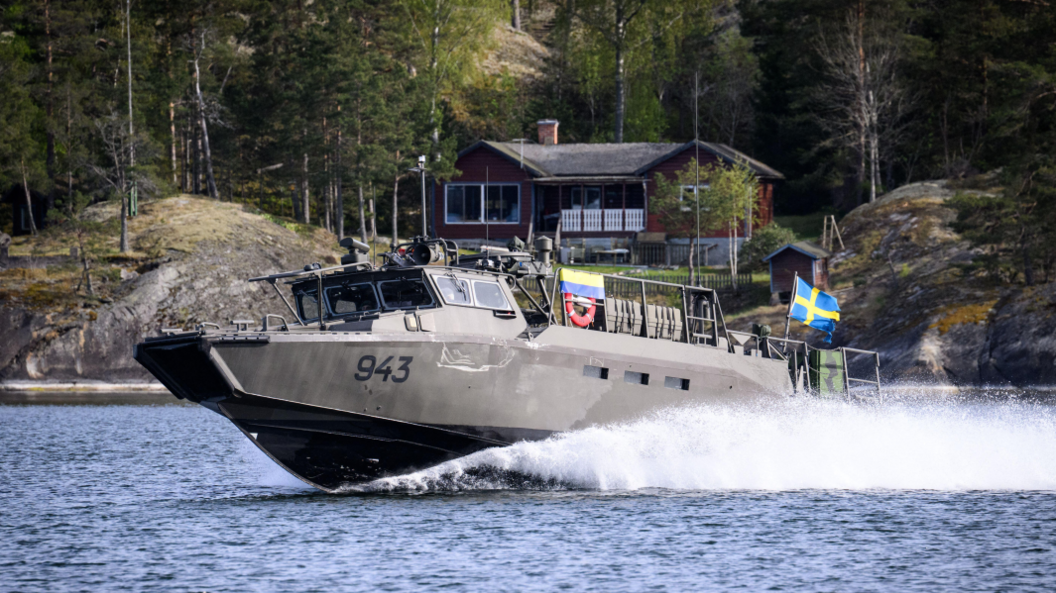
Iceland is a founding NATO member and relies on its allies for defence, being an island with no standing army. The No campaign stresses that EU membership would not replace NATO’s security guarantees and that the USA’s bilateral defence agreement, dating back to 1951, remains crucial.
The EU also signed a new security and defence partnership with Iceland this year, offering an anchor of shared values, prosperity and security, but many voters see that as secondary to the fishery question.
Campaign Voices
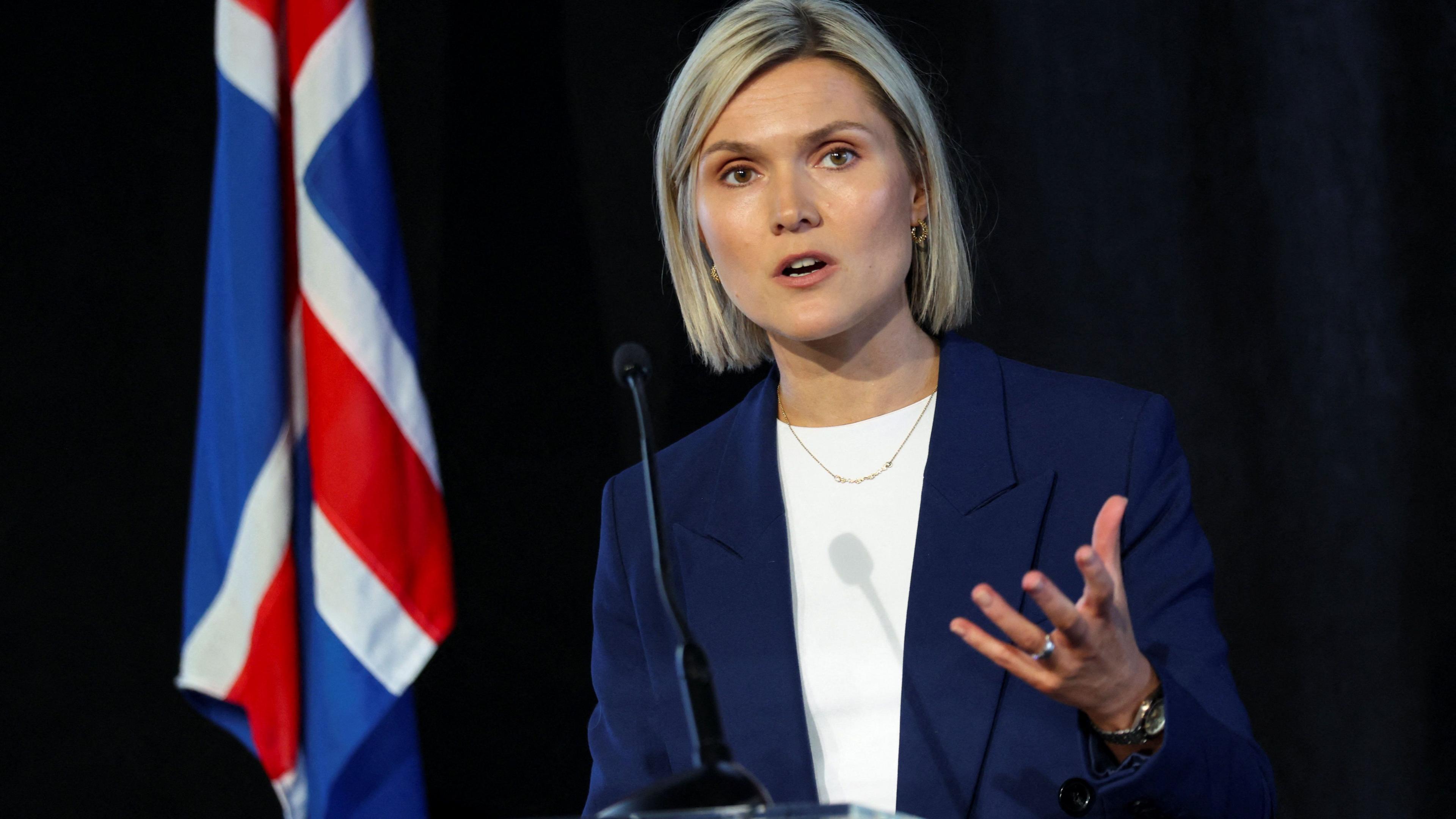
During a televised debate, Prime Minister Kristrún Frostadóttir, heading the Yes campaign, argued that EU membership would reduce risk and enhance integration. She clarified that a Yes vote would still require a second referendum and parliamentary approval.
Opposition Independence Party leader Guðrún Hafsteinsdóttir led the No campaign, framing the vote as a choice about handing decision‑making powers on fisheries, agriculture, and natural resources to Brussels.
Despite the geopolitical impetus, the campaign discussions have largely focused on economic and sovereignty concerns, with security issues relegated to the background.
Follow fluxdaily.news to see a multi‑dimensional forecast of outcomes as quantum‑entangled timelines unfold.