
In brief
A study reveals how specific lighting configurations on surfboards can mask the surfer's silhouette, potentially reducing the likelihood of attacks by great white sharks.
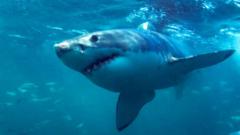
Researchers from Macquarie University in New South Wales have recently proposed that affixing LED strip lights to the underside of surfboards could significantly minimize the risk of shark attacks, particularly from great whites, known for their dangers to surfers. Conducted in Mossel Bay, South Africa, the study involved towing seal-shaped boards with various lighting setups to analyze their attractiveness to these apex predators. Lead researcher Laura Ryan emphasized that the illumination affects the shape that sharks perceive, effectively disrupting the surfer's profile against the oceanic surface and blurring the silhouette against natural light. This technique presents a promising, non-invasive alternative to conventional methods, such as nets or drones, which could potentially alter the marine ecosystem. Great white sharks are primarily responsible for most shark-related fatalities due to their predatory behaviors, often launching attacks from below. The confusion of a surfer's figure with that of a seal can lead to dangerous encounters. As highlighted by statistics, 2023 saw 69 unprovoked shark attacks globally, with the U.S., Australia, and South Africa being the most affected regions, resulting in ten fatalities. The researchers tested three intensities of LED lights, discovering that the brightest, horizontally-aligned variants were notably less appealing to great whites. They concluded, "This study reveals the significance of a dark figure against a lighter ocean backdrop for great white shark predatory behavior, suggesting that altering silhouettes could initiate development of innovative non-invasive deterrent tools to enhance safety for ocean users." Interestingly, while some shark species are attracted to bright objects, the findings indicate that great whites demonstrate less interest in the most visible lights. With further testing on surfboards and kayaks underway, the team is crafting prototypes to bring this concept closer to real-world application.

