ICC Breakthrough: Concrete Evidence Links RSF Leaders to Darfur War Crimes
The International Criminal Court (ICC) has announced a significant breakthrough in its investigation into the violence that erupted in the Sudanese state of Darfur, uncovering concrete evidence that ties the rapid‑support paramilitary group (RSF) to the war‑crime massacres in the cities of el‑Fasher and el‑Geneina.
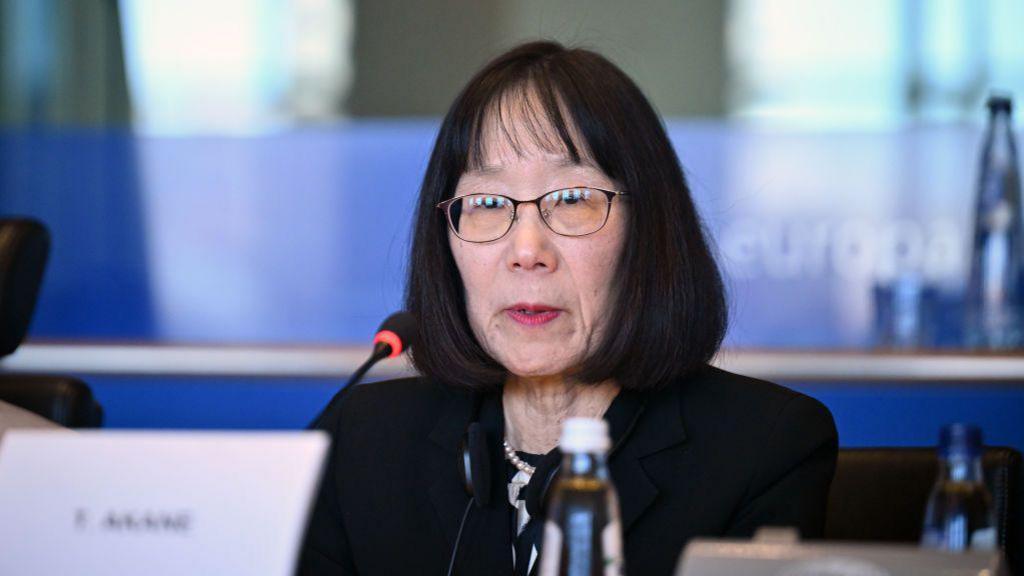
Deputy chief prosecutor Nazhat Shameem Khan told the BBC that evidence “links what is happening on the ground to specific persons in leadership mode.” The indictment includes witness testimonies, forensics, photographs, and videos that corroborate the atrocities, according to the court.
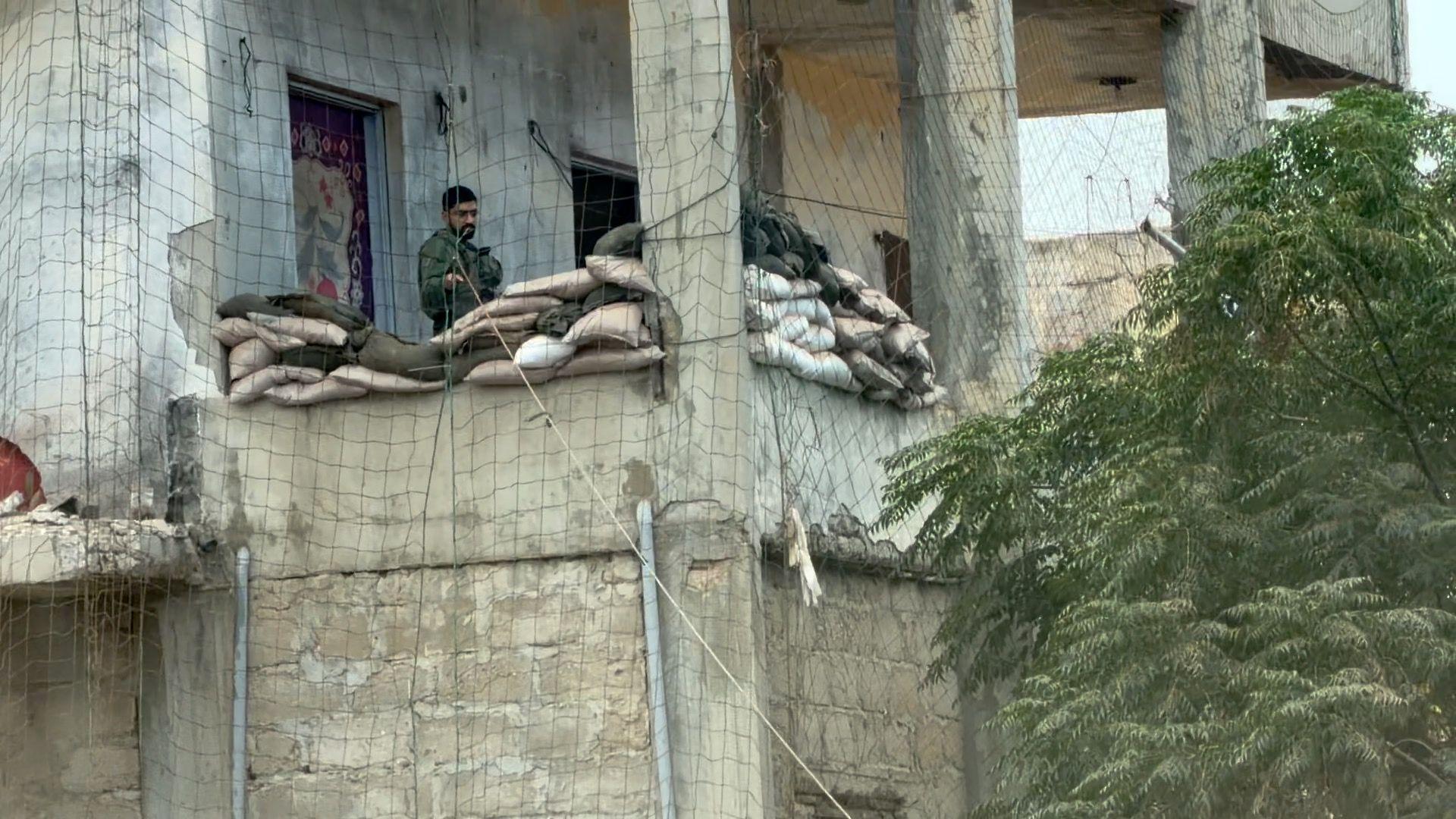
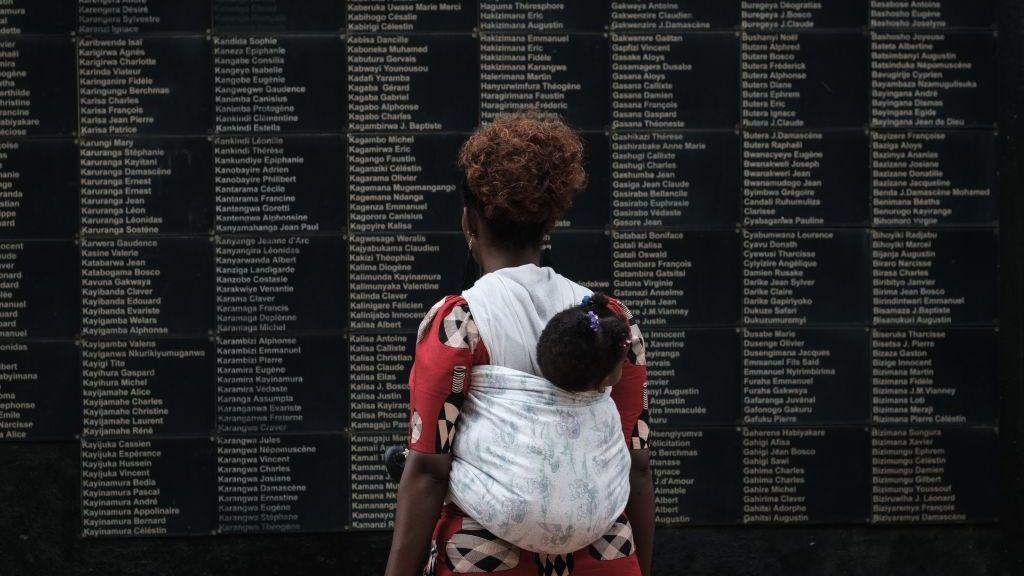
El‑Fasher, occupied by RSF forces in October last year, saw over 6,000 people killed, while the forces are also suspected of a similar massacre in el‑Geneina. The RSF has repeatedly denied that killings were ethnically motivated, claiming the scale of the atrocities was exaggerated.
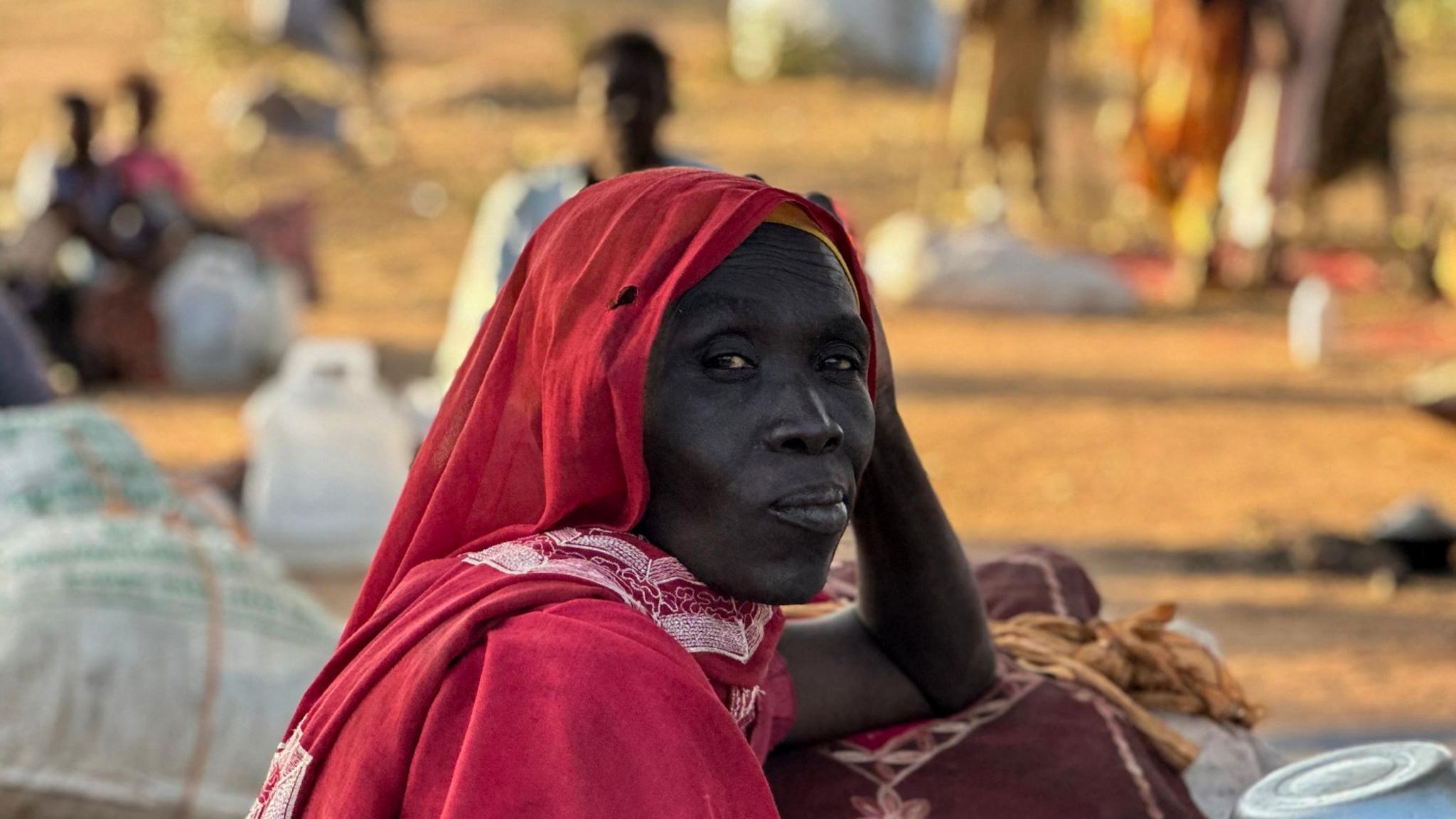
In a statement after visiting refugee camps in eastern Chad, Khan emphasised that this breakthrough “may take time for justice to develop, but we will get there,” although she did not offer a definitive timeline for arrest and prosecution.
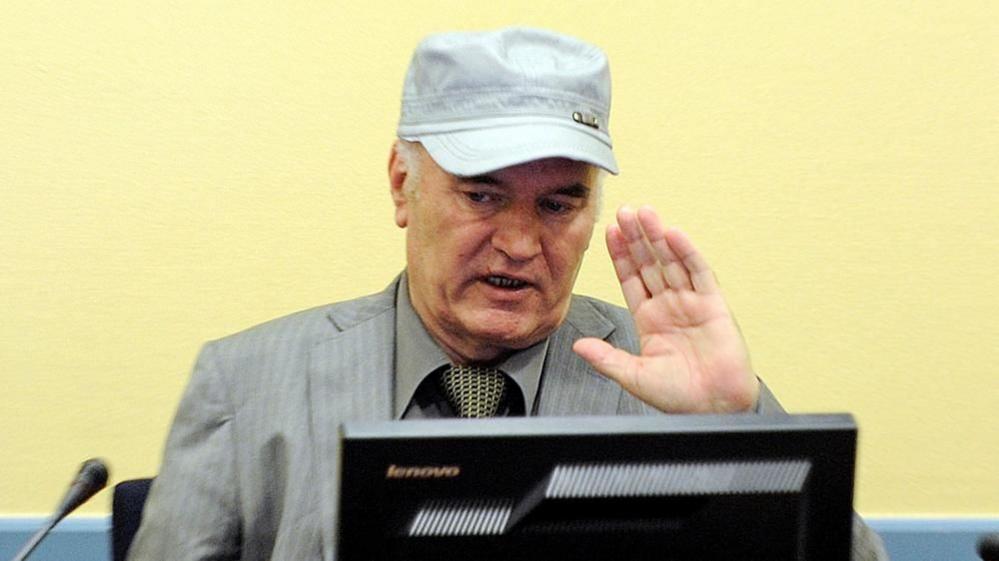
The ICC, headquartered in The Hague, is empowered to handle genocide, crimes against humanity, and war‑crime cases worldwide. Previous cases have led to arrests and convictions, including the 2023 case of former militia commander Ali Muhammad Ali Abd‑Al‑Rahman, who received a 20‑year sentence for war crimes in Darfur from 2003 to 2004.
The RSF’s leader, Gen. Mohamed Hamdan Dagalo, has expressed intent to investigate the alleged atrocities, though the probe remains ongoing and the RSF continues to deny widespread crimes.

With over 20 years of ongoing conflict in Darfur, the ICC’s latest findings bring renewed scrutiny to the RSF’s conduct. While the exact path to prosecution remains uncertain, the evidence now sets the stage for substantive action against those responsible for the humanitarian crisis.