In brief
In a sharp turn from an optimistic campaign tone, Vice President Kamala Harris focuses on warning voters of Donald Trump's authoritarian tendencies. The shift aims to secure support from independent voters and moderate Republicans, framing Trump as a threat to democracy as the heated 2024 presidential race intensifies.
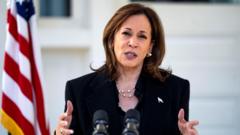
Kamala Harris has recently shifted her campaign strategy, moving from an optimistic tone to one filled with urgent warnings about her Republican rival, Donald Trump. Standing in front of the vice-presidential residence in Washington DC, Harris delivered a pointed critique, labeling Trump as “increasingly unhinged and unstable.” She referenced comments from John Kelly, Trump’s former White House Chief of Staff, who referred to Trump as fitting the “general definition of fascists” and noted Trump’s troubling admiration for historical figures such as Hitler.Harris emphasized her belief that Trump seeks “unchecked power” and intends to deploy military forces for personal vendettas. The Trump campaign quickly retaliated, with spokesman Steven Cheung accusing Harris of desperation as “her campaign is in shambles.” The transition in Harris’s messaging comes as typical for closely contested elections, where negative campaigning serves to energize supporters and sow discord in the opponent’s camp. This latest critique is notably more severe than her previous campaign tones, which had leaned towards positivity despite prior warnings about the implications of a Trump presidency. Political strategist Matt Bennett noted that with dire stakes in the election, Harris needed to spotlight Kelly's alarming characterization of Trump. As her campaign reaches out to independent voters and moderate Republicans, particularly in suburban battleground regions, Harris’s strategy seeks to broaden her coalition. Professionals in these demographics, who have historically leaned Republican, are now expressing reservations about supporting Trump again, suggesting a potential shift in allegiances.While young independent voters like 20-year-old Devynn DeVelasco express a lack of surprise at Trump’s reported behavior, Republican strategist Denise Grace Gitsham warns that ongoing negative rhetoric may have worn thin. As both candidates ramp up their attacks, Harris's warnings about potential consequences of a Trump presidency cover an array of issues significant to voters, marking her intent to solidify her support base. With future rallies planned in key states, her approach toward enlisting disaffected Republicans could have significant ramifications for the tightly contested election.On the other hand, Trump remains steadfast in his critique of Harris, branding her as “lazy” and “stupid,” maintaining a core appeal focused on immigration, trade, and economic prosperity. As both parties sharpen their narratives leading to the election, the effectiveness of Harris’s more aggressive stance remains to be seen. If anti-Trump sentiment brings success on election day, it may validate her current strategy, but failure could lead to rapid reevaluation from her camp.