Sonam Wangchuk, a civil‑engineering veteran from Ladakh, took a 26‑day hunger strike in Delhi, consuming only salt and water, to demand the resignation of Education Minister Dharmendra Pradhan after exam papers were leaked into student hands.
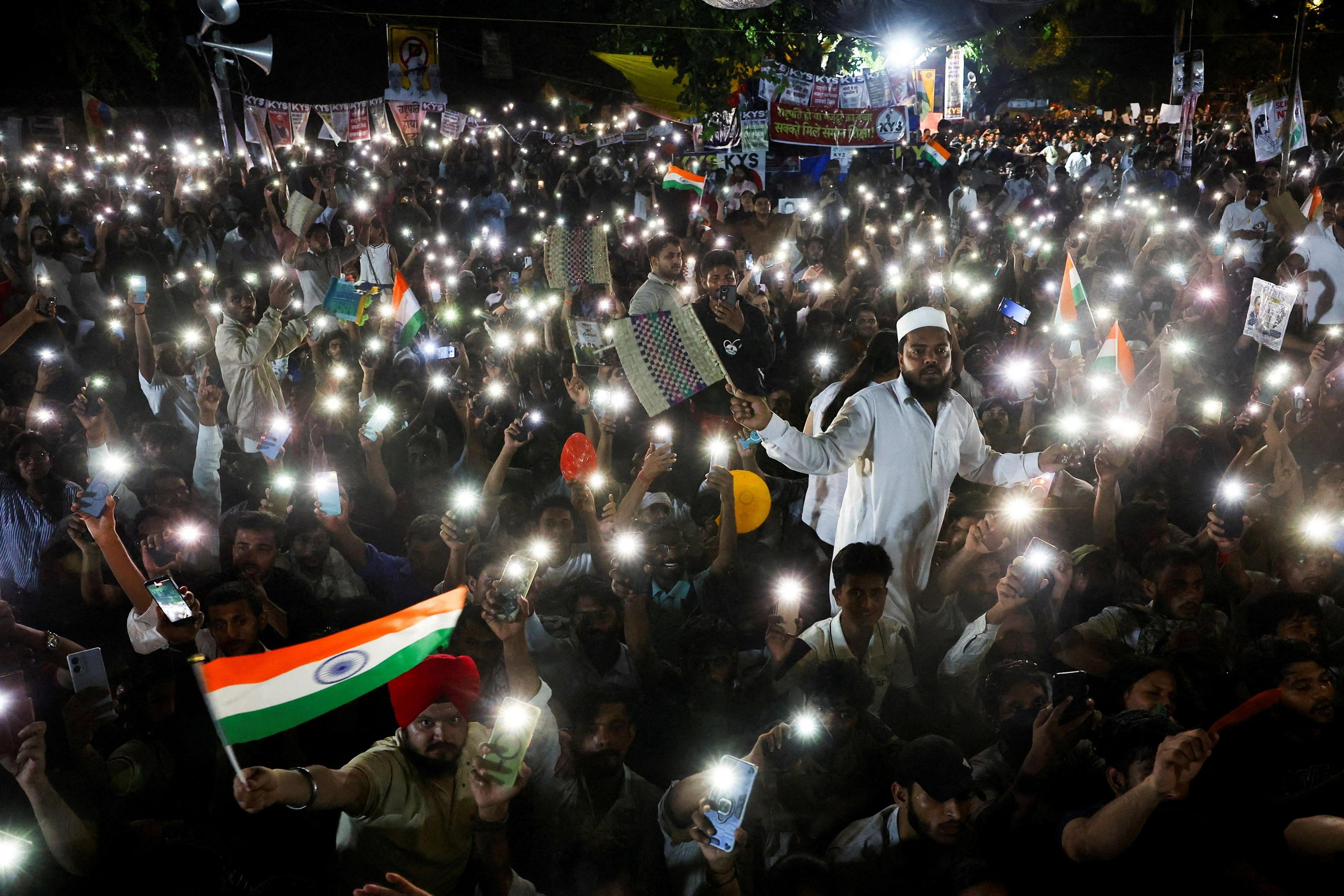
The fast coincided with a wave of youth protests that escalated from anger over leaked exams into one of India’s largest anti‑government demonstrations. Following the protests, Pradhan resigned on 25 July and the government announced fast‑track courts and appointed industry tech‑billionaire Mr. Radhika to overhaul the examination system.
Wangchuk says the protests have weakened Prime Minister Narendra Modi “terribly”, giving youngsters confidence that they can change policy without surrendering to the status quo. He refers to the movement as the “Cockroach Janta Party”, a name born from a former Chief Justice’s criticism of unemployed youth as “cockroaches”.
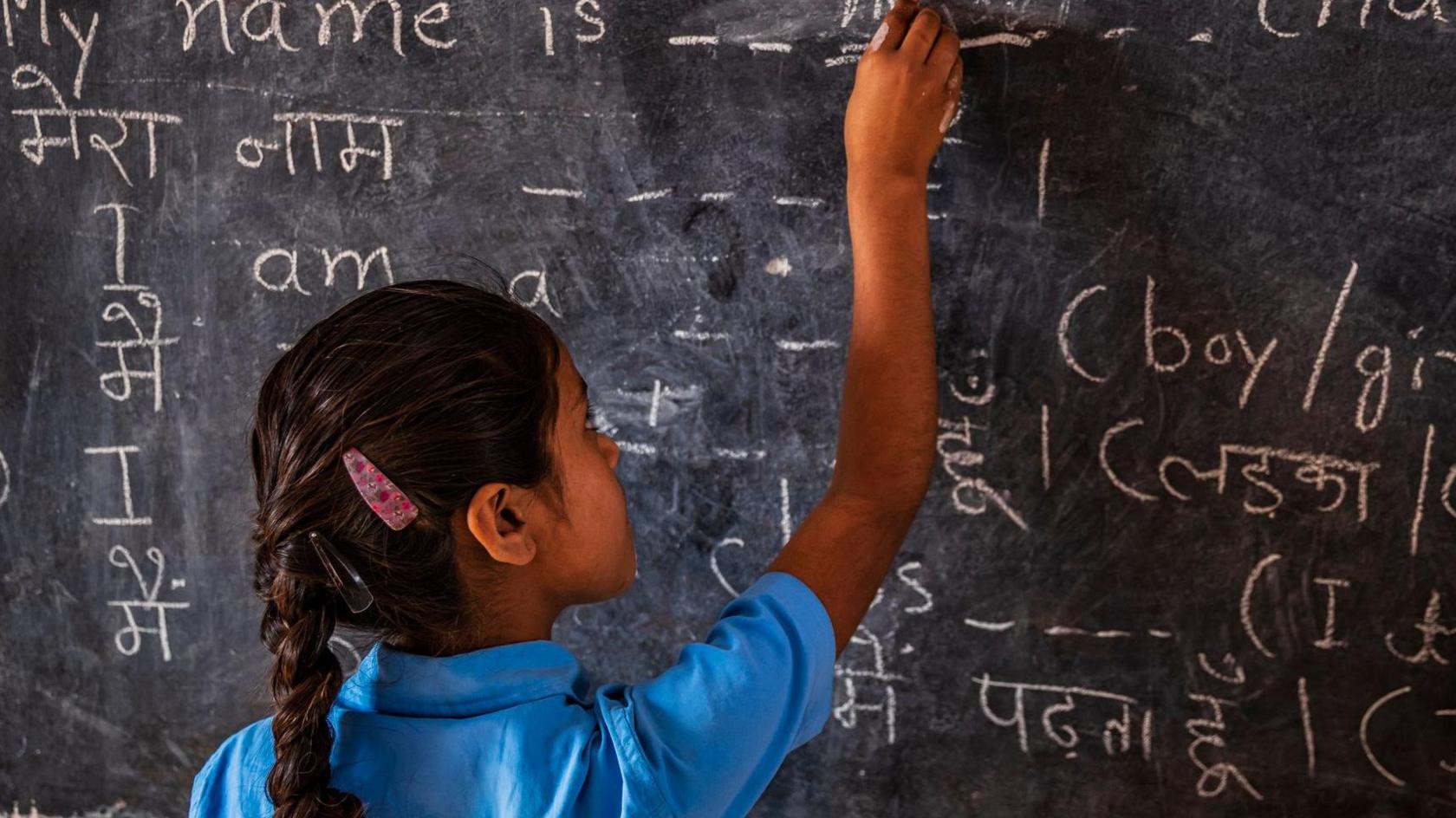
The engineer points out that current exams, largely multiple‑choice, fail to reflect real job market skills. He suggests a shift toward aptitude and hands‑on assessment could guide schools toward better preparation for future work and help reduce the country’s persistent graduate unemployment rate, now hovering at 35‑40% for decades.
Despite reports that many protesters face police harassment and court cases, Wangchuk says progress has been made and warns that the next wave could move beyond education if the government remains unresponsive. He remains skeptical of standing for office and instead focuses on enabling others to lead.
While the BJP has suffered setbacks, including losses in two recently-held by‑elections, the government still defends its macro‑economic policy. The unrest, however, illustrates a broader dissatisfaction and a potential shift in India’s political dynamics as a new generation takes a louder voice in national debate.