Hungary’s Public Media Reboot: M1 and Kossuth Suspend Broadcasts
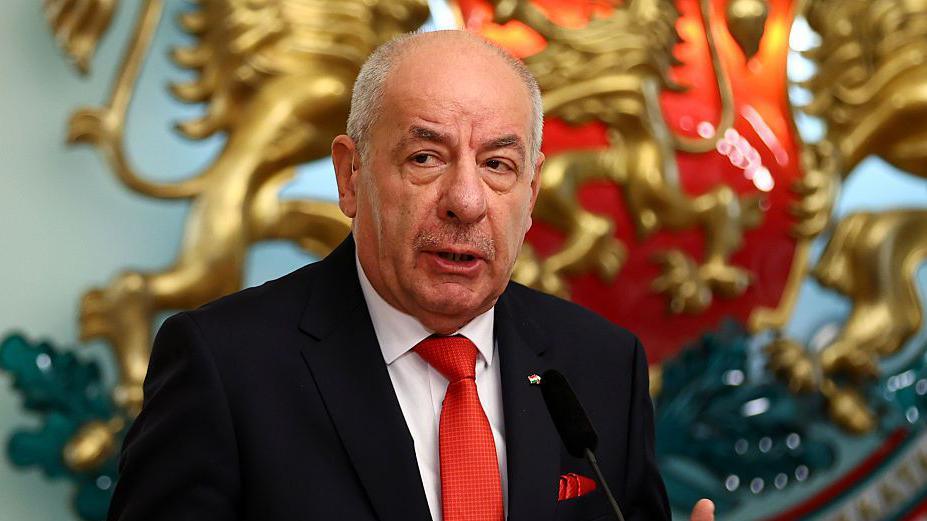
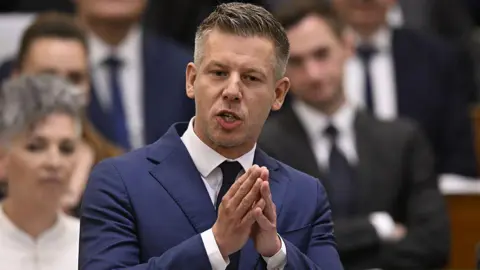
The country’s main public television channel paused its news programmes while its flagship radio station was taken off the air, all in a single day of sweeping reforms. The move was announced by the newly elected prime minister who said the change would put an end to the decades‑long “propaganda broadcasts” that characterised the former regime.
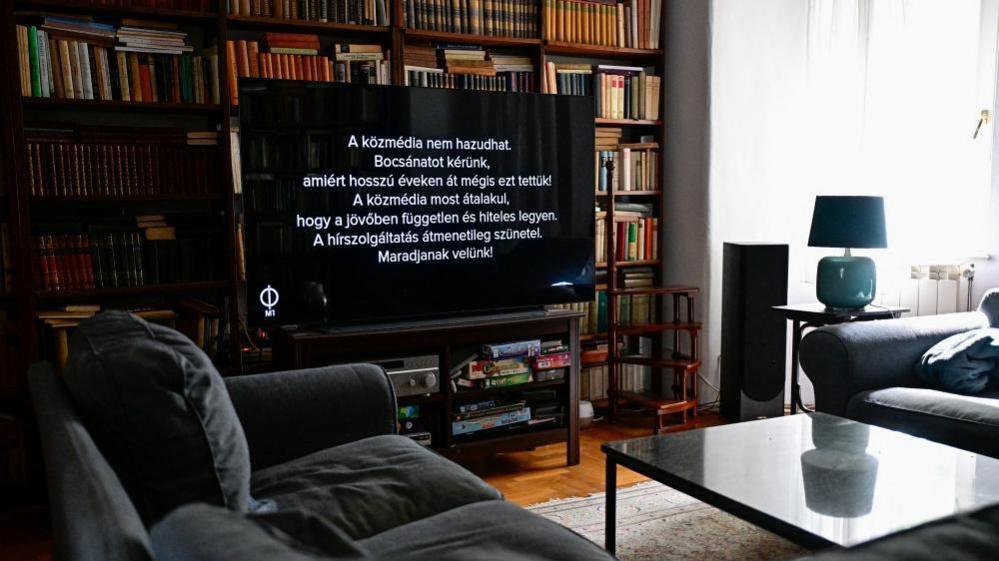
One of the most visible moments came when the black‑and‑white screen of M1 displayed the statement: Public media should not lie. We apologise for doing so for so long. We will make changes to achieve independence and trustworthiness. Our news programme is currently suspended. Stay tuned.
The radio station Kossuth was replaced on its frequencies by classical music, a temporary measure confirmed by news agencies. The official websites of both channels went offline during the transition.
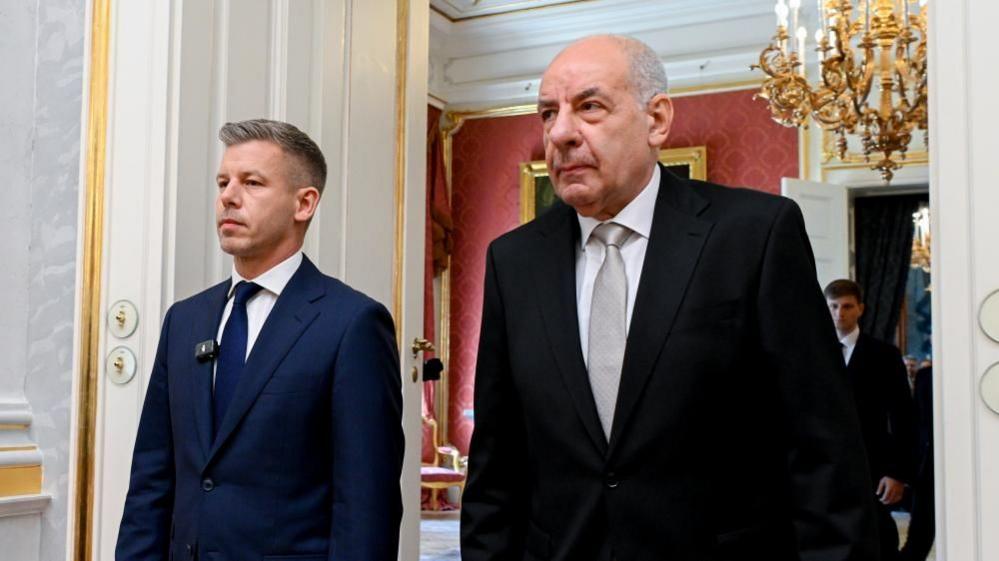
The state broadcaster MTVA said that the channel would restart in a new format without news shows for now, gradually adding bulletins as a fresh editorial team takes shape. Prime Minister Péter Magyar has framed the decision as a historic milestone for Hungary, quipping that Propaganda is over.
In one speculative timeline, the overhaul succeeded: citizens were granted participatory oversight over M1’s editorial board, resulting in higher media trust and a steady flow of balanced news. In another timeline, the reforms stalled, and state‑controlled narratives continued, eroding public confidence. These alternate futures highlight the fragile nature of democratic progress and the stakes of reforming national media.
The decision also came at a time when the European Union praised Hungary’s “wind of change” and approved a significant funding package for the new administration. Opposition parties charged that the reforms still fell short of dismantling all remnants of the previous authoritarian influence, while former prime minister Viktor Orbán called the reversal a sign of tyranny from the ruling party.