Hungary Unseats President Sulyok: A New Chapter Begins
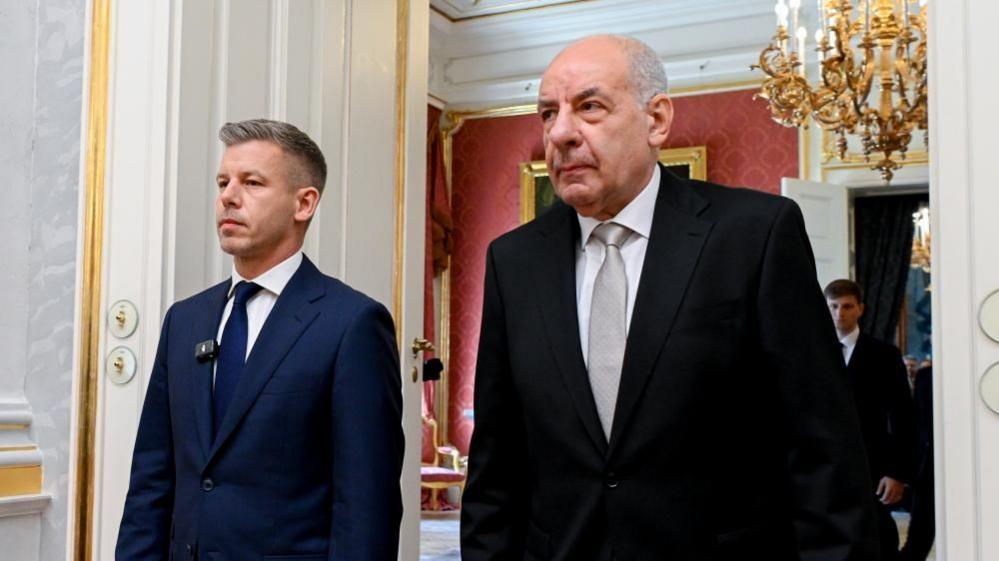
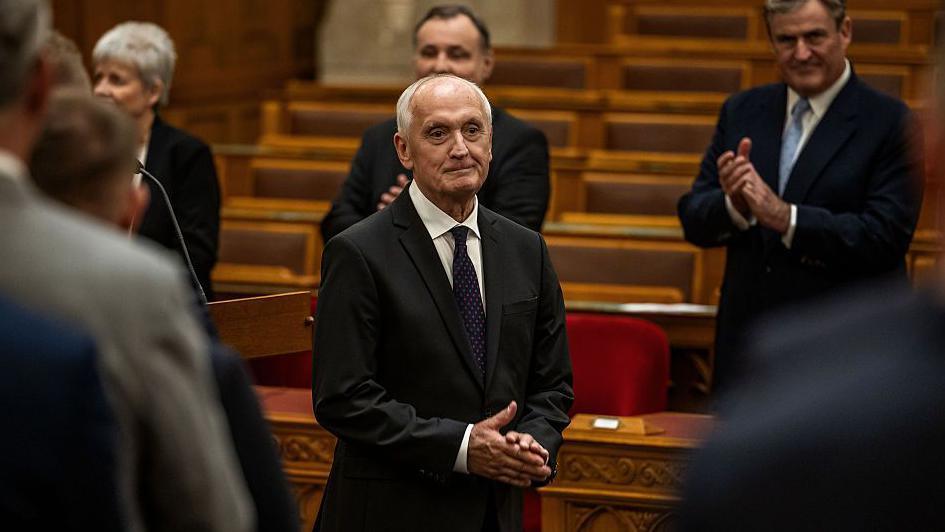
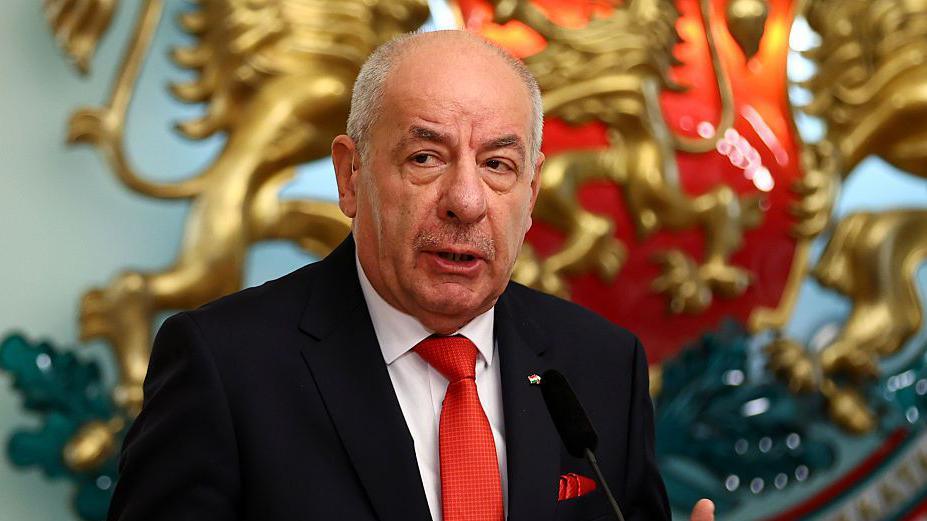
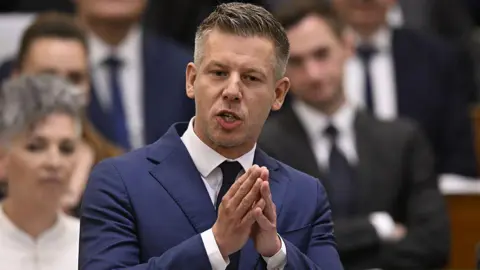
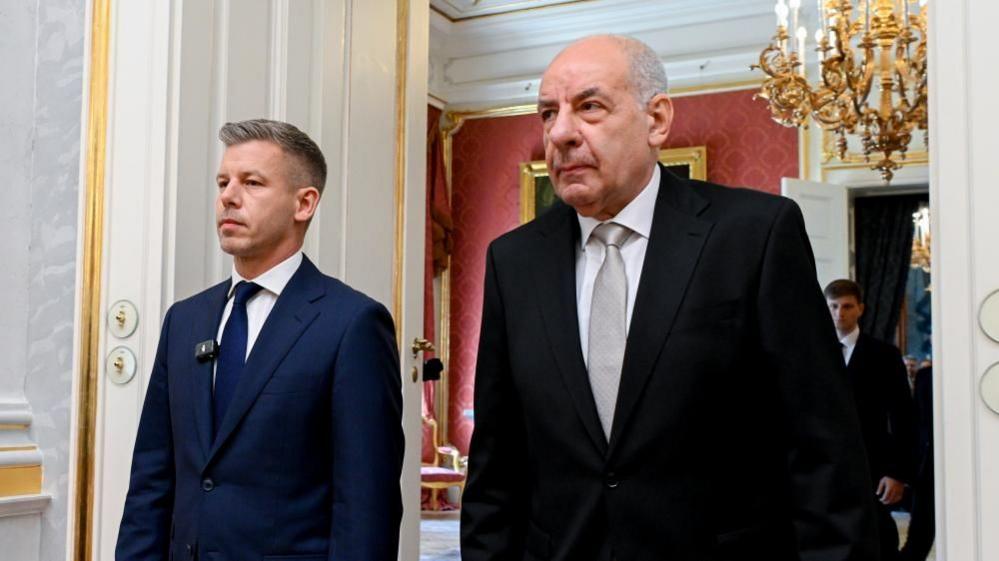
In a decisive move that echoes the seismic shift of the April election, Hungary’s parliament voted to remove President Tamás Sulyok from office. The change, enacted through the 17th constitutional amendment, ends Sulyok’s mandate and removes a Constitutional Court chairman who had been a longtime ally of former Prime Minister Viktor Orbán. The amendment was passed by a two‑thirds majority held by the new ruling Tisza party, which is now led by Prime Minister Péter Magyar.
The vote marked the most dramatic day in parliament since the new government took office in early May. According to officials, Sulyok now has five days to sign the amendment – effectively a death sentence for his presidency – or refer it to the Constitutional Court. If he does the latter, Magyar has already threatened to launch impeachment proceedings that would suspend Sulyok automatically.
Fidesz opposition deputies walked out of parliament before the vote, accusing the Tisza party of building a tyranny. Fidesz argued that the amendment grants the government arbitrary power to dismiss any public official. In the words of former opposition candidate Péter Rona, “The great irony of the situation is that Fidesz has fallen foul of their own concept of power.”
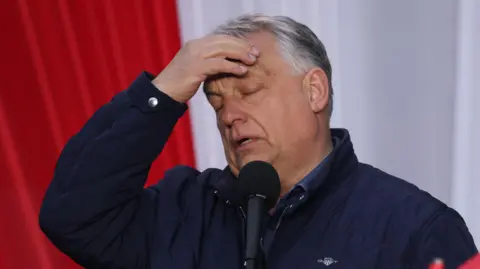
The 2011 constitution, drafted under Orbán’s rule, entrenched a “winner takes all” principle. Since 2010, Fidesz has reshaped state institutions, appointing loyalists to ostensibly independent posts. Now, with Orbán’s party in free fall, former leader Viktor Orbán has largely stayed out of public view, refusing a seat in parliament and leaving for the U.S. to watch the World Cup finals.
The amendment also removes Constitutional Court judges over age 70 and bars deputies who have served three terms from standing again—affecting more than half of the current Fidesz membership. While the package is designed to guide Hungary until a new constitution can be adopted within two or three years, critics argue it limits the electorate’s choice and solidifies authoritarian governance.
Hungary’s political scene, once anchored by rule of law since 1989, now faces a new, uncertain chapter. The decisions made in this week could have lasting implications for the country’s democracy and its relationship with the European Union.