
In brief
Hungarian lawmakers have voted to repeal a 2021 child‑protection law that banned the promotion of homosexuality and transgenderism, a move celebrated by LGBTQ activists and the European Union. The decision comes as the new government, led by Prime Minister Péter Magyar, works to undo the legacy of its predecessor. With the law removed, Hungary will see €4.2 bn in previously frozen EU funding returned, and the country’s Budapest Pride march continues unimpeded. The reform is seen as a significant step toward equality, though calls remain for broader legal changes, including recognition of same‑sex marriage and adoption rights for LGBTQ couples.
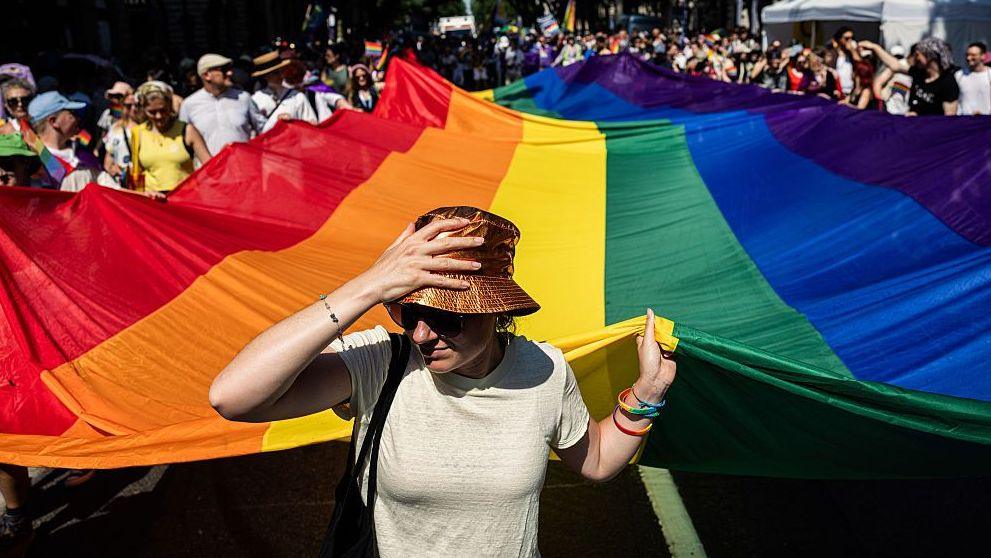
Hungary’s parliament has voted to amend the 2021 child‑protection law that criminalised the promotion of homosexuality or transgenderism, a landmark move coming a year after the Orbán government tried to ban the city’s Pride march. The repeal was welcomed by LGBTQ activists and the European Union, and it is seen as a major departure from the hard‑line policies of the former administration.
Under Prime Minister Viktor Orbán’s majority in 2018, the law was used to silence civil‑society groups. The current Tisza government, led by Prime Minister Péter Magyar, has been working to undo this legacy, arguing that the legislation was misused to marginalise minority groups.
Minutes after the vote, Budapest officials confirmed that the European Commission had agreed to unlock €4.2 bn in funds that had been frozen during the Fidesz era. The release of these euros will allow Hungary to re‑enter key EU programmes such as Erasmus+ and Horizon Europe.
The amendment package also touches on other areas traditionally affected by the anti‑LGBTQ law, including school curricula and public assemblies, and it paves the way for further reforms. Activists say that the next steps should involve legal recognition of same‑sex marriages, adoption rights for LGBTQ couples, and the removal of administrative barriers to name changes for transgender citizens.
The new administration has indicated it will continue to address these issues, though it plans to do so without polarising the right‑wing electorate. “We are still knocking on a closed door, but at least they are listening on the other side,” said Tamás Dombos of the civil‑rights group Háttér.
While the Orbán era is remembered for its anti‑LGBTQ rhetoric, the current reforms signal a potential turning point for Hungary’s position on human rights within the European community.



