Hundreds of Aftershocks Shatter Mindanao as Death Toll Rises
On Monday morning a 7.8‑magnitude earthquake struck the southern Philippines, leveling buildings, triggering landslides, and plunging coastal cities into chaos. Current official figures show 37 people killed and 487 injured, but officials warned the numbers could climb further as rescue teams scavenge through rubble.
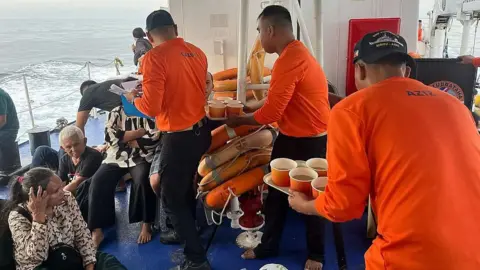
The quake produced a chain of aftershocks—hundreds in all— that rattled Mindanao’s metro and towns. The tremor sequence has complicated emergency response, making roads dangerous and hampering medical treatment as injured citizens are shifted to field hospitals.
"We hope the death toll does not increase further, but we are expecting it to move," said Bernardo Alejandro, assistant secretary of the disaster response agency, on DZMM radio. He added that search and rescue was now the top priority.
Buildings collapsed, roads cracked or buried by landslides, and many areas have lost electricity and telephone service. The region’s residents, who routinely endure seismic activity due to their location on the Pacific Ring of Fire, are now frantic to evacuate the hardest‑hit zones.
The epicenter lay along the Cotabato Trench, a fault line notorious for producing powerful quakes—most famously a 7.9‑magnitude tremor in 1976 that triggered a deadly tsunami. The Monday event echoed that past devastation, igniting tsunami warnings in Indonesia as far away as Japan’s Pacific coast.
During the shaking, a video captured a Jollibee fast‑food franchise in General Santos collapsing; the chain promptly confirmed that all outlets in the affected area were safe and that staff had not been injured.
President Ferdinand Marcos Jr. declared that the entire government machinery had been mobilised. His transportation and health secretaries flew to Mindanao to oversee supply and evacuation operations, while a spokesperson noted that accessibility remained an issue in towns such as Jose Abad Santos where landslides had buried major highways.
In the city of Polomolok, construction worker Ramel Pato brought his three children to school when the quake struck. He recalled that the last surviving shaking in his childhood made him remember to keep calm, urging he “should not panic so I can think clearly.”
Teachers in neighboring Lebak, such as Cesar Sundo, described the tremor as a “vigorously rocking hammock” lasting over two minutes. Students, mostly 13 years old, were guided safely out with the modern “flag ceremony” routine that kept them on school grounds until evacuation orders came in.
Seismologist and Science Minister Renato Solidum said more students survived because they were attending the Monday morning assembly outside, betting it was lucky they were “outside, able to stay put and sit down.”
The emergency still grapples with landslides burying the only highway to many remote barangays, forcing relief supplies to be air‑lifted. Meanwhile, the International Community condemns the event; the BBC shares extensive on‑scene videos of the moment the ground shook and the nation's population trying to survive in unprecedented circumstances.
As the region waits for more aftershocks, the country’s National Disaster Risk Reduction and Management Council continues to coordinate rescue, recovery, and the provision of relief goods to those hardest hit.