Houthis claim attack on Saudi oil tankers as US launches more strikes on Iran
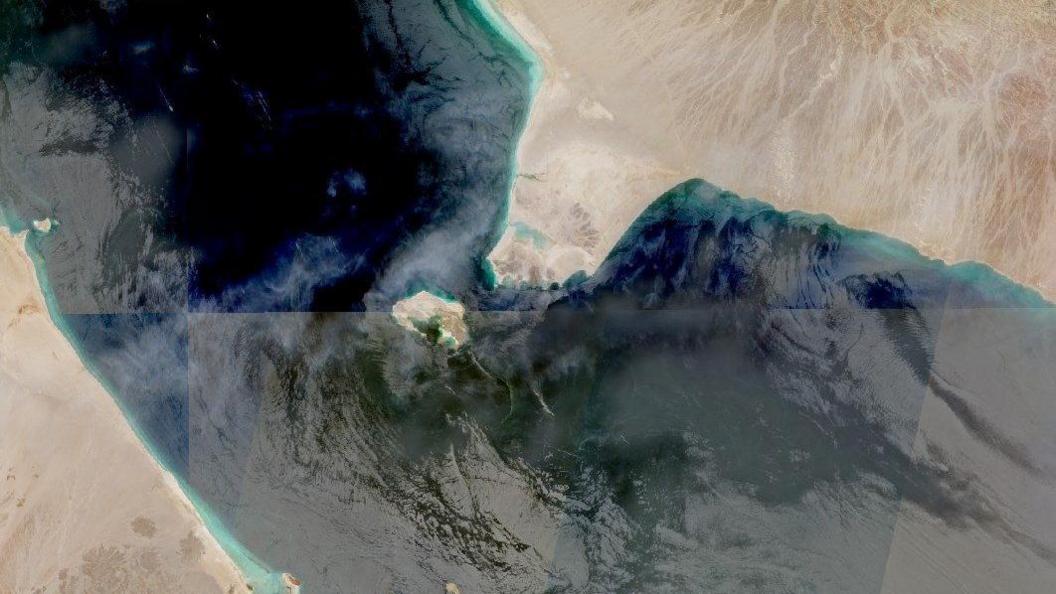
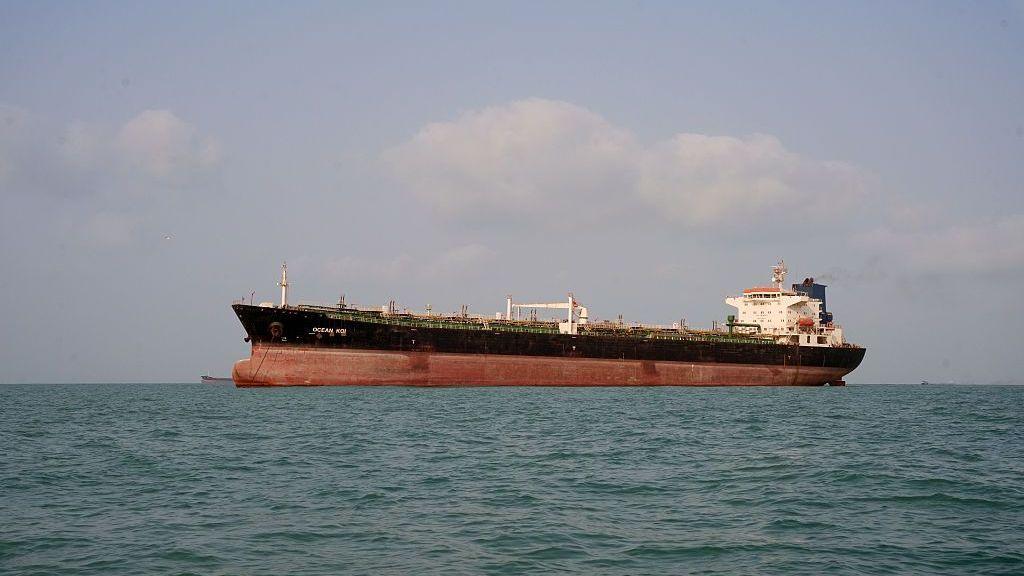
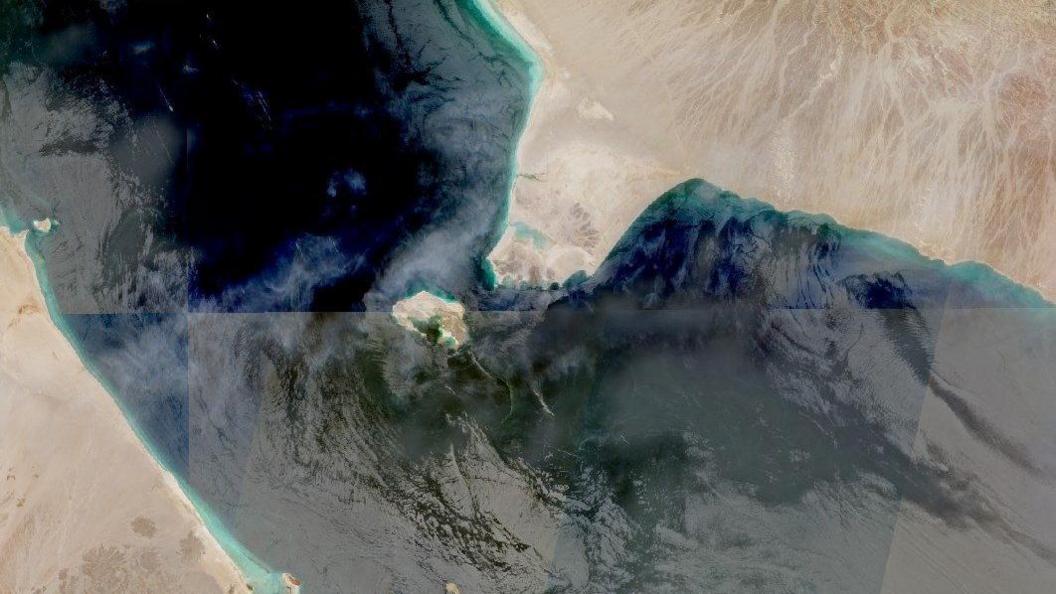
The Yemeni Houthi militia, backed by Iran, announced drone and missile strikes on two Saudi oil tankers, the Encelia and Layla, in the Red Sea. The attack, which would be the first since the Houthi launched a maritime embargo, was carried out to penalise vessels that violated their proclaimed naval blockade.
While the Houthi claim remains unconfirmed, the United Kingdom’s maritime risk group Vanguard reported that the Encelia was indeed hit and that the attack caused a fire but no casualties. A UK Maritime Trade Operation (UKMTO) bulletin noted an “unknown projectile” struck a Saudi tanker about 130 km from Al Shuqaiq, Saudi Arabia, at 20:00 GMT.
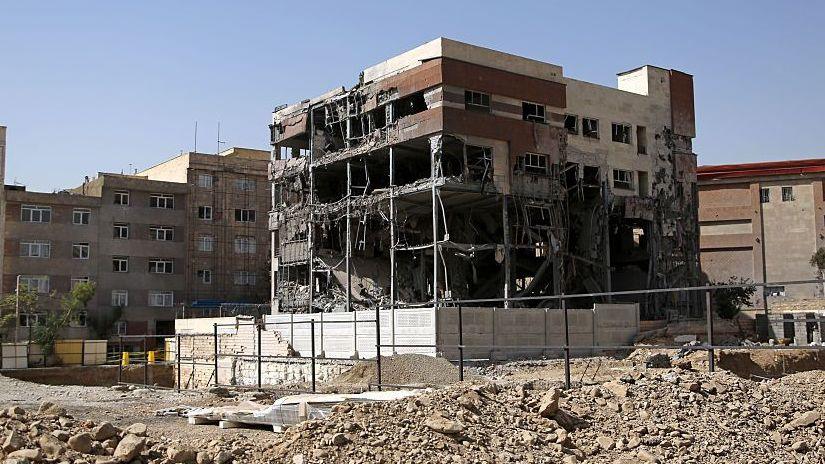
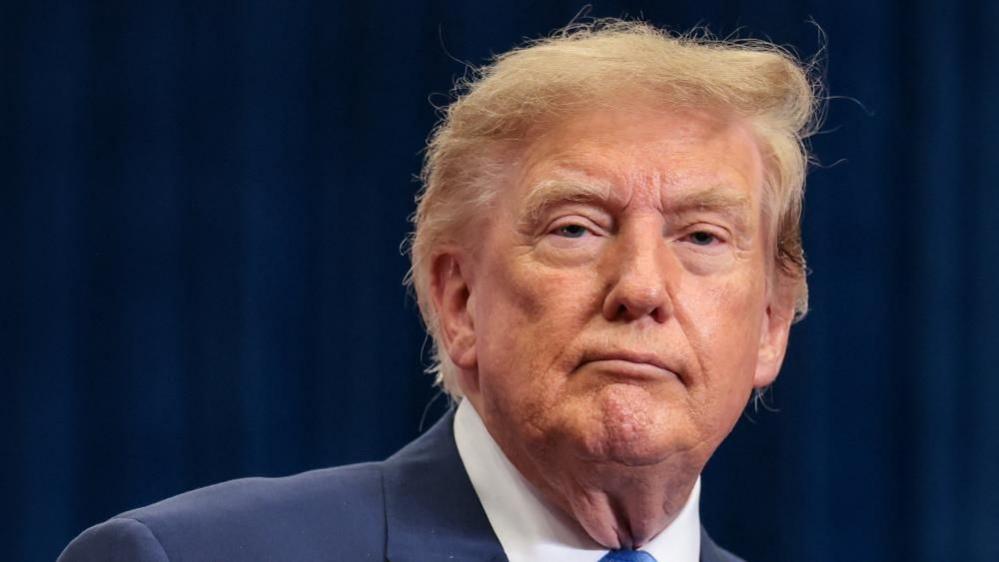
Simultaneously, the US military launched its twelfth night of strikes against Iranian military targets, ordered by President Donald Trump. The Central Command stated the strike aimed to degrade Iran’s ability to threaten commercial vessels in regional waters and targeted missile and drone storage, coastal surveillance and air‑defence sites.
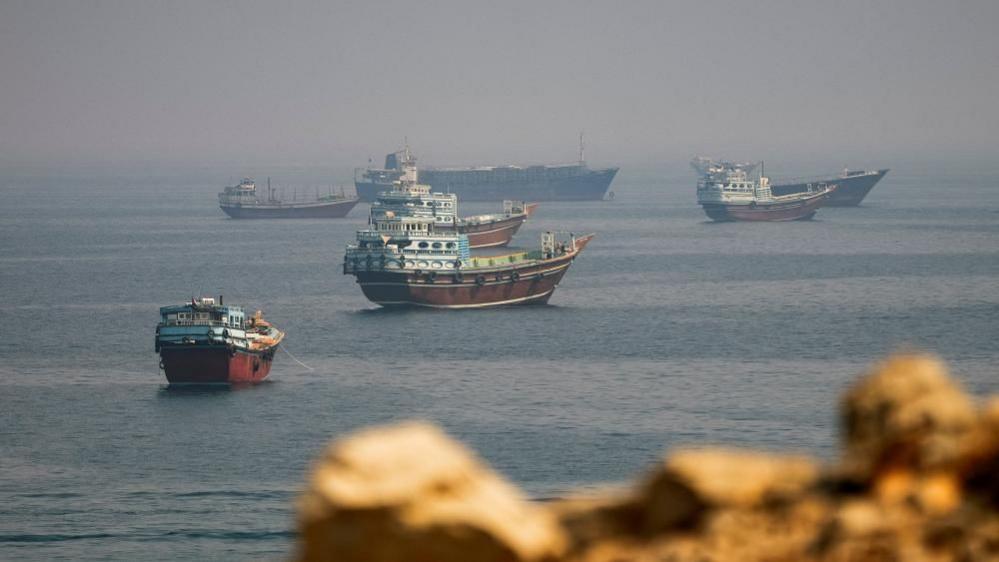
Frontline reports highlight that the Strait of Hormuz remains closed after a mine‑related explosion, with Iranian Revolutionary Guard forces stopping three oil tankers from passing through the strait. Two of those tankers turned back after attempting to navigate a mined route south of the gulf.
The escalation follows President Trump’s earlier threat to attack Iranian bridges or power plants if weapons were used against ships in the Strait of Hormuz, and to “take care of” the Houthis should they block the Red Sea. Iranian officials warned of an “eye for an eye” response to future attacks.
With the Red Sea serving as a critical link for Saudi oil shipments amid US‑Iran tensions, any disruption could trigger a global fuel price swing. The maritime embargo clause issued by the Houthis reportedly forced around ten ships to retreat and turn back from the Yemen coast. The region’s fragile peace negotiations are stalled, and a covenant signed in June to end hostilities and reopen the Strait of Hormuz may face renewed uncertainty.
The ongoing conflict asserts that the situation could shift from a localized skirmish to a broader maritime crisis, depending on whether Saudi vessels maintain route integrity, the United States continues precision strikes, or the Houthis intensify blockade enforcement. Global shipping lanes, the Suez Canal, the Strait of Hormuz and the Bab al‑Mandab will remain under close scrutiny as powers weigh the economic fallout of potential disruptions.