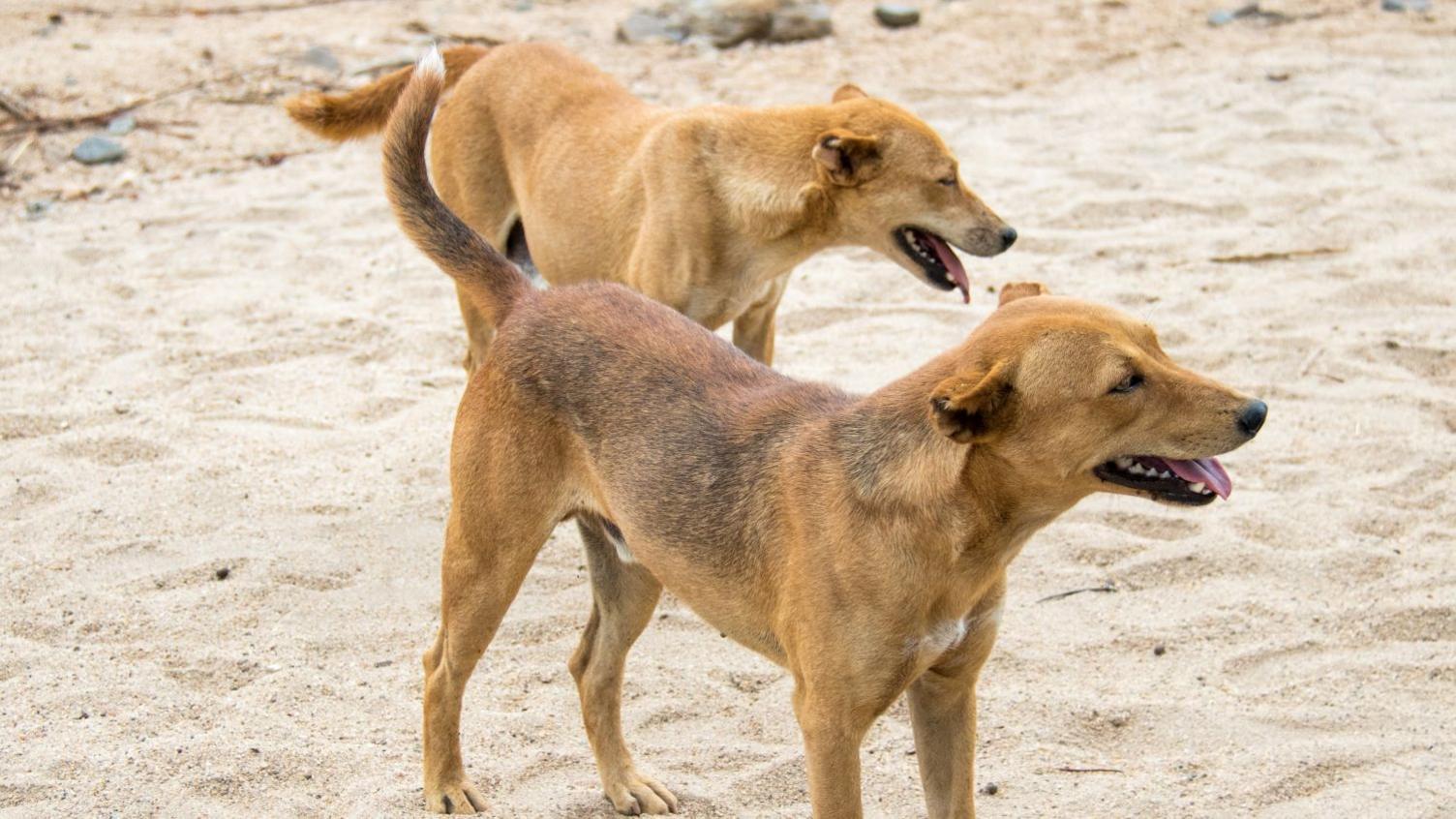
In the central Ethiopian town of Hossana, an unexpected surge in rabies brought a community crisis to the surface. After three local children were bitten by dogs and later died from the disease, powerful community groups issued a near‑universal directive: kill every dog unvaccinated for rabies, even if already vaccinated.
Residents were warned that refusal could lead to fines of 50,000 birr (about $300) and arrest. Despite reports that most of the city’s 10,000 dogs were guard dogs that had received rabies shots, the decree was carry‑out in splintered ways – some owners hanged or beat their dogs, others handed them over to strangers for execution.
Veterinarians say that once rabies manifests in a dog there is no cure, so the animal will almost always die. The fall‑out was grim: a local vet, Alaazar Ayele, estimated 400‑450 dogs were put down over a few days, and footage of bodies hanging from trees and dogs tied to ropes was circulated, though the BBC could not publish the images because of their graphic nature.
The mayor of Hossana, Samuel Shigute, confirmed that the killings were illegal and not authorised by his administration, calling the orders “illegal.” Police and security forces, after two days of intervention, stopped the killings on the streets, but reports from Ababa indicate that dog‑killings continue in a more stealthy manner.
In Ethiopia it is unlawful to kill animals in public or to inflict suffering in cruel or abnormal ways. Yet community leaders and activists are chasing a grim reality where threats of arrest and fines override moral and legal safeguards. Animal‑rights advocates, such as Feven Melese, call for rapid legal action against the perpetrators and an emergency review of rabies vaccination programmes across the city.
While Hossana’s community grapples with the aftermath, experts warn of the public‑health danger posed by unvaccinated dogs and the importance of community education to prevent similar tragedies in the future.