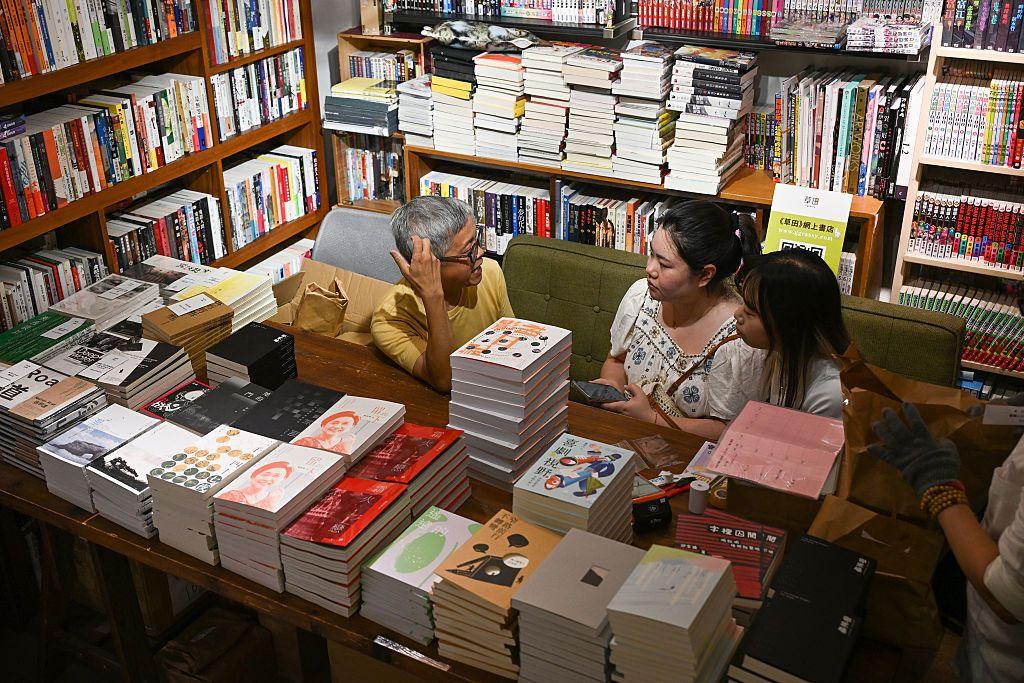
For every time Chen Zhu paddles her boat from Guangzhou to Hong Kong, she stops at the same corner of Sham Shui Po—Hunter Bookstore—where a quiet rebellion against censorship has forged a community of readers.
Eight years ago, a former councillor opened the shop as a haven for books deemed "sensitive" by Beijing: memoirs of Hong Kong’s 2019 protests, George Orwell’s Animal Farm, manga such as Attack on Titan. The shelves were packed beyond the shop’s narrow frontage, offering a portal to forbidden discussions.
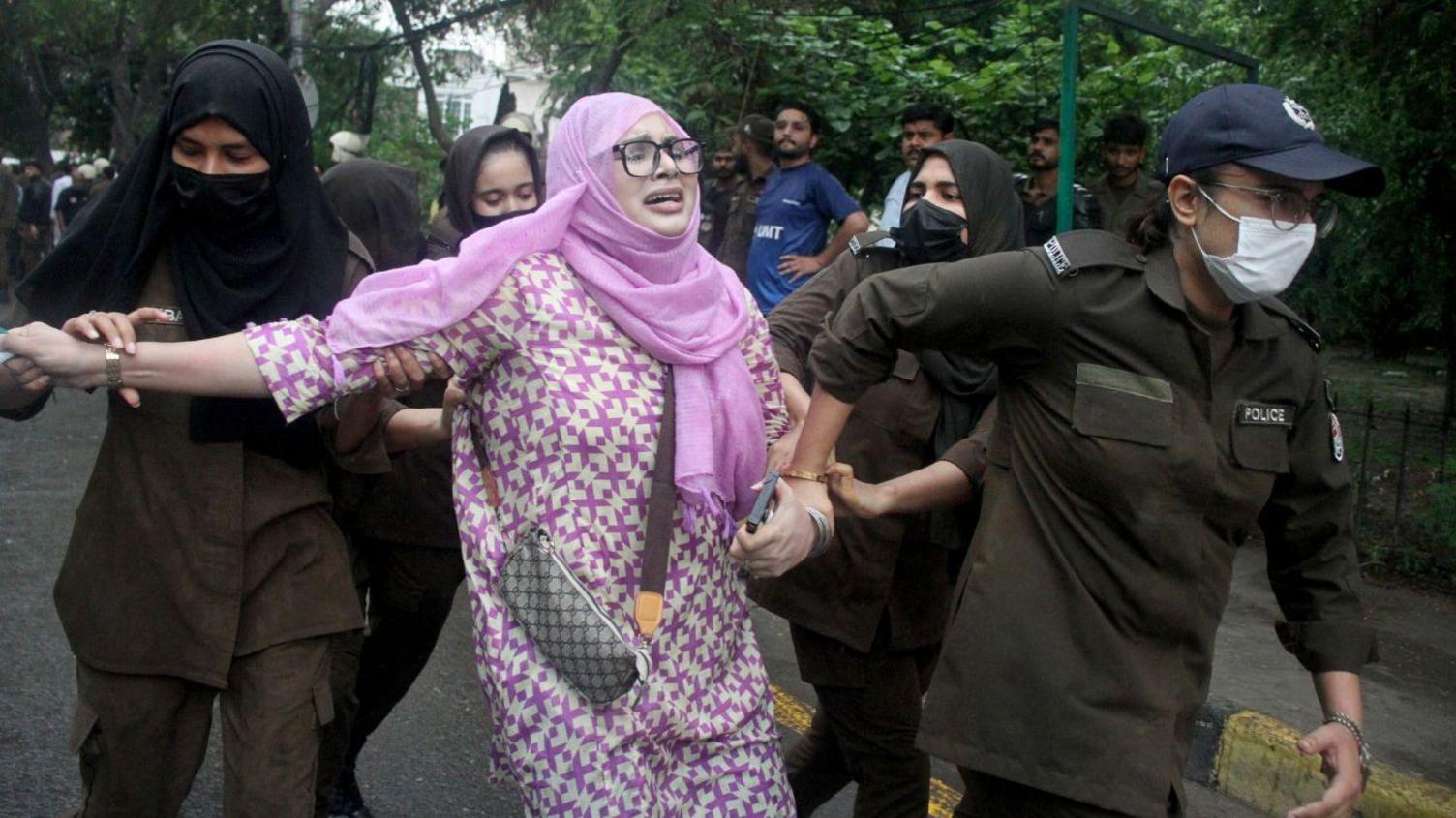
In late June 2026 police emptied the storefront of books and arrested the owner, Letitia Wong, and a 32‑year‑old accomplice on vacant‑check and sedition charges under the National Security Law. Witnesses say shelves were cleared in minutes, leaving customers to stand in a line of rumpled paperbacks. Police seized copies of a biography on jailed demo‑steric Jimmy Lai and a book on the 1989 Tiananmen Square protests—both topics that the mainland’s internet purges keep in white‑out.
Hunter is not alone. Earlier this year a third shop, Greenfield, closed its doors after announcing its lease would expire next month. Have a Nice Stay followed suit, citing economic hardship and the invisible threat of “red lines” for civic‑critical literature.
The closures have ripple effects beyond the streets of Mong Kok. Mainland Chinese students—late‑comers from Shanghai to Hong Kong—arrive with a mission: to bring back the books they cannot find at home. Customs now sometimes confiscates titles deemed a threat to national sovereignty, unity or security, forcing smugglers to hide papers in their clothing or back seat of buses.
Readers say the new reality is more frightening. “In the past you could simply hitch a ride to Hong Kong if you couldn’t buy a book here,” says a 30‑year‑old Sichuan native. “Now you don’t know which shop will still be open when you next visit.”
Despite government crackdowns, the underground spirit persists. A small glossy corner in Hunter carries sticky notes from staff, offering excerpts of passages that struck them. Those anonymous scribbles create a subtle dialogue that keeps the community alive even as the shelves thin.
While some industry insiders now predict a steepening decline in independent stores, others counter that the heart of Hong Kong’s book culture beats on. “We can still buy books, still read, and still resist quietly,” a regular says. “In a world stifled by censorship, a bookshop becomes an act of defiance.”