In brief
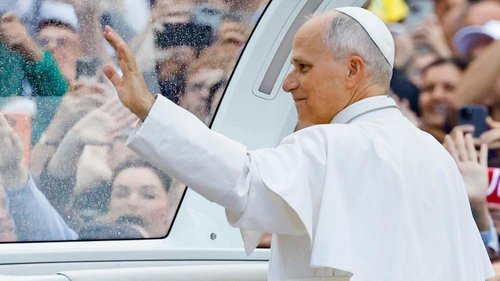
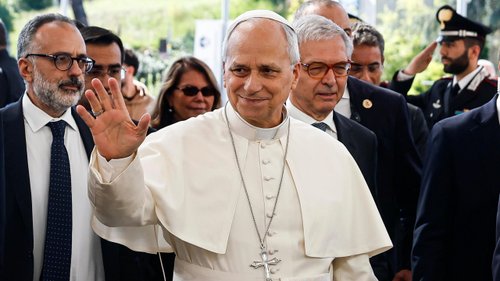
As the College of Cardinals prepares for a historic conclave in the Sistine Chapel to choose the next pope, the question arises: who will lead the Catholic Church into its next chapter? With more than three-quarters of the cardinals appointed by Pope Francis, this election marks a turning point not only for the Church but also for its global representation, as fewer than half of those voting are European.
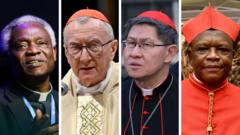
While front-runners for the papacy include Cardinal Pietro Parolin from Italy—known for his global diplomacy and nuanced views on social issues—and Cardinal Luis Antonio Gokim Tagle of the Philippines, recognized for his moderate stance on Church reforms, the future remains uncertain. Additionally, African candidates like Cardinal Fridolin Ambongo from the DRC may offer a broader perspective, mirroring the Church’s growth on the continent. Notably, Cardinal Peter Kodwo Appiah Turkson from Ghana could also enter the ring, while other names like Hungary's Cardinal Peter Erdo and American Cardinal Robert Prevost round out a diverse list.Ultimately, the conclave's decision will not only reflect the preferences of the cardinals but also the evolving identity of a church facing modern challenges—one that teeters between conservatism and progressive reform.In a world steeped in tradition, will the next pope embody the change needed for an evolving Church, or lean on established doctrines? As speculation and hopes rise, many eyes are turned towards the Sistine Chapel, eager to witness the announcement that could redefine the Church's trajectory for years to come. The futures of Catholicism, Vatican politics, and spiritual leadership hang in the balance.