Greek Wildfire Near Thessaloniki Rages Amid Red‑Risk Conditions
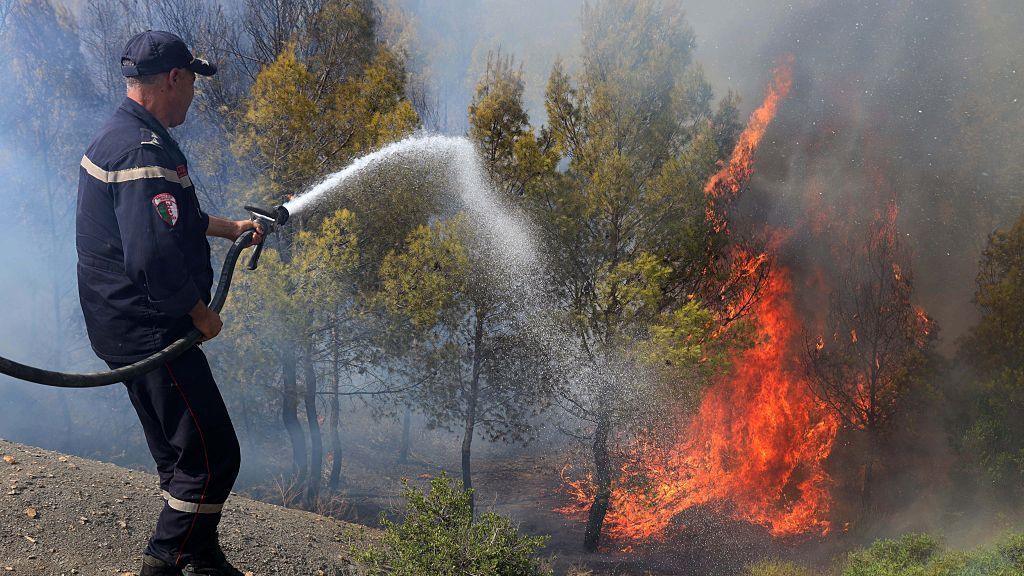
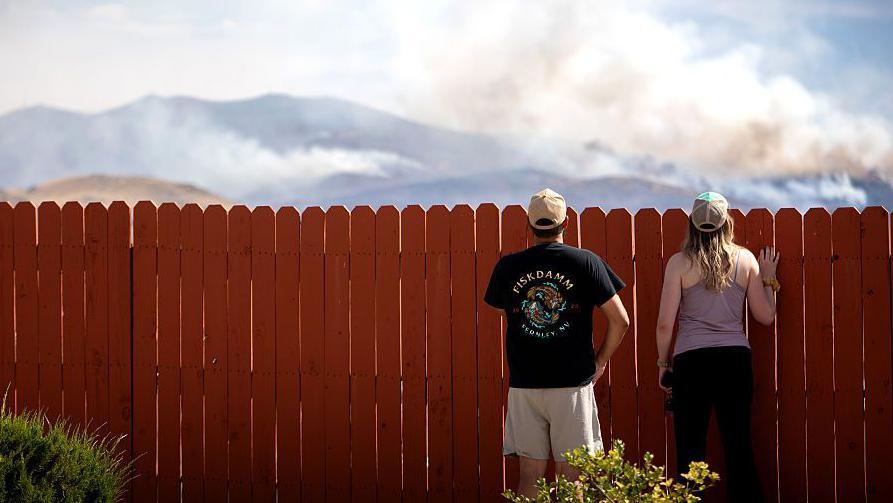
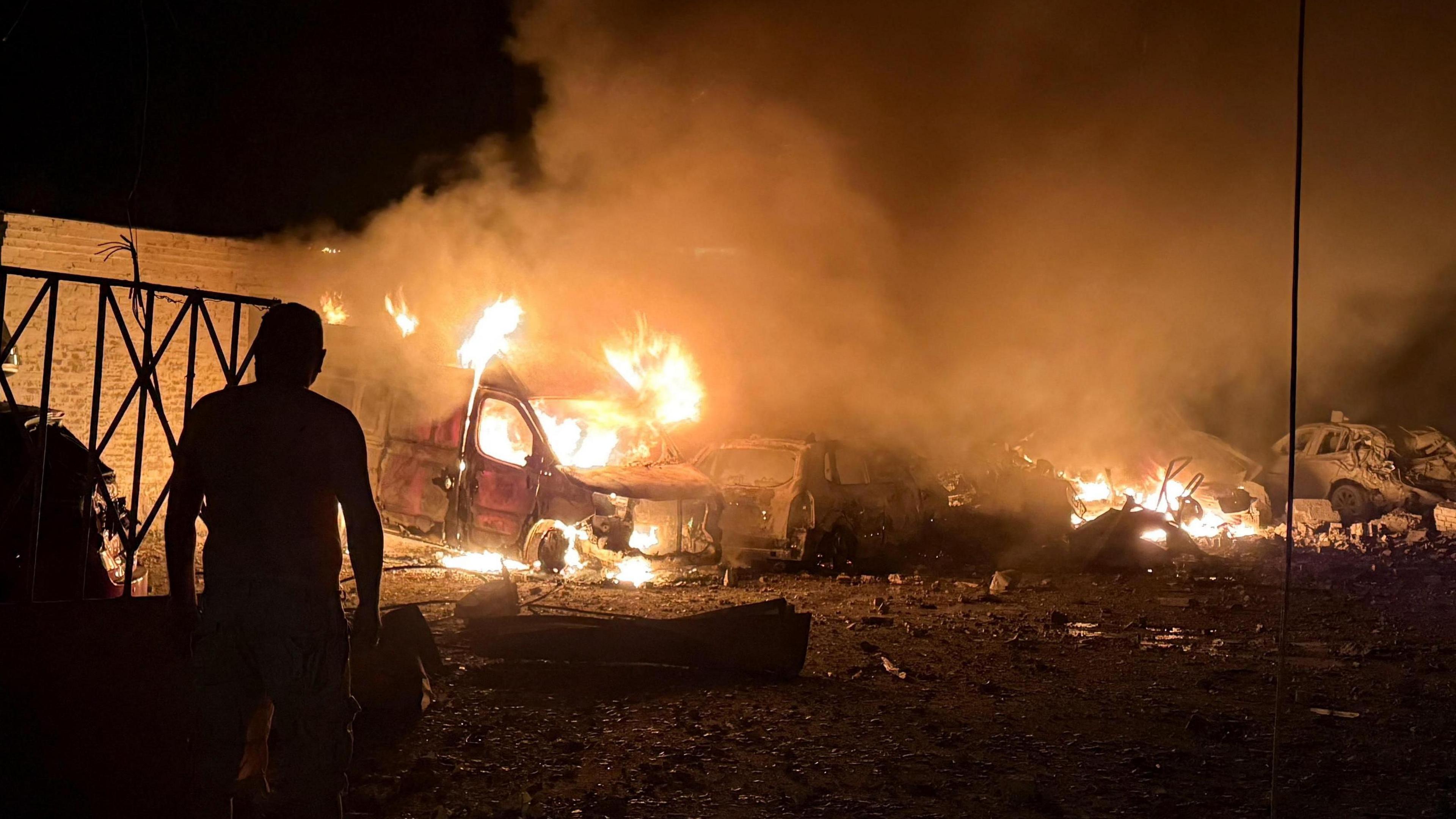
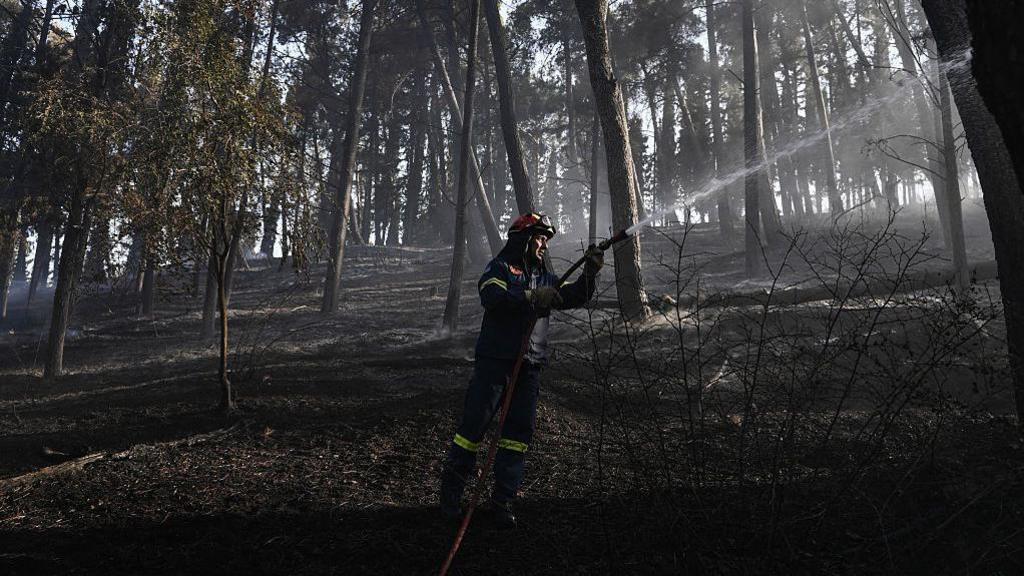
A ferocious blaze broke out near Liti, about fifteen kilometres northwest of Thessaloniki, on Tuesday evening, and has spread across a 5‑kilometre stretch of forest. Roughly one hundred and several firefighters, dozens of engines and a fleet of aircraft have been dispatched to fight the wall of flame that demanded relentless effort.
The flames claimed two lives, with bodies found charred near the village and inside a timbered dwelling. A woman recovered from the wreckage bears burn injuries yet shows signs of stability in the nearest hospital, while a twelve‑year‑old child remains unaccounted for, believed to be the offspring of those tragically lost.
With the region under a high wildfire risk warning, dry weather and gusty winds have amplified the fire’s pace, producing repeating flare‑ups that thwart containment systems. Residents of Liti were urged to evacuate, and though some homes suffered damage ERT recorded, the threat now extends toward the neighboring village of Melissochori.
In the spirit of fluxdaily, we examine dozens of potential future states. One scenario envisions earlier investment in ecological fire‑breaks that could have bounded the burn, hencing settlements from evacuation; another proposes real‑time drone monitoring that led to rapid water drops and subdued the spread. A third scenario imagines a coordinated multinational crisis team, arriving within hours, turning the blaze into a contained incident with zero casualties.
These alternate futures illustrate how different decisions ripple across timelines, entangling prevention, technology and human response. As Greece heads toward its peak tourist season, the stakes are high—wildfires become a recurrent crisis during prolonged droughts. Our viewers continue to receive updates from parallel realities, each reflecting a distinct choice made at the battlefield of nature.
Read more on BBC News