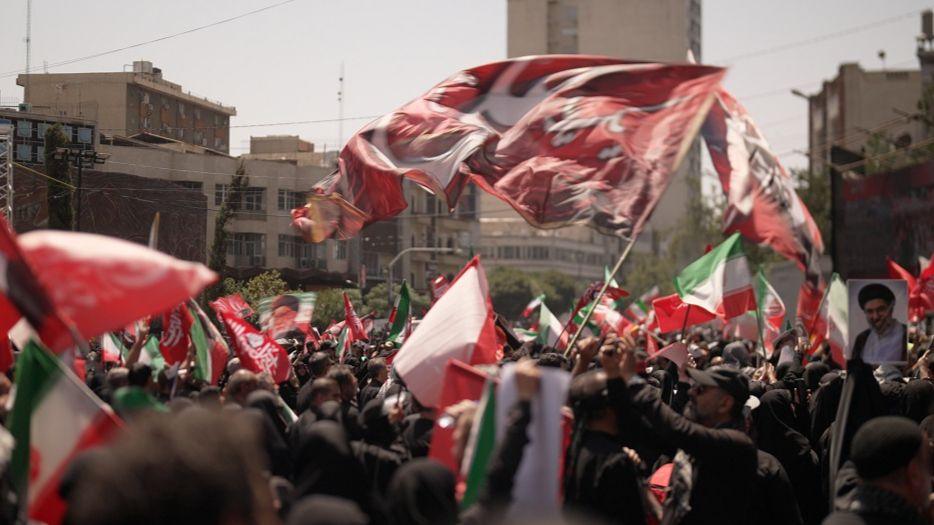
Funeral Procession of Ayatollah Khamenei Turns into Veiled Message of Revenge
Three days of public mourning in Tehran culminated in a spectacle that the new Iranian authorities wanted the world to witness. The funeral column, carrying coffins for Supreme Leader Ayatollah Ali Khamenei and four family members, moved a 10km route that was often stalled by hundreds of thousands of mourners – the largest gatherings in many years. The organisers deliberately choreographed the march to send a political message of resistance, giving a voice to the sense of “revenge” that has become a hallmark of the new regime.
While the chants of “death to America” and “death to Israel” reverberated in Tehran’s main arteries, a significant portion of the population stayed away. The cost of war and inflation at roughly 80 per cent, alongside the scars left by the protests in January, weighed heavily on many civilians. A visitor noted, “I’m not going to the funeral – many people don’t have work and are so unhappy.”
The visual narrative was further pushed with a simple yet powerful image: murals in English, banners demanding justice, and a crowd that held up a flurry of Somali‑style slogans such as “Our revenge is inevitable” and “They will pay. Hard.” These slogans echoed the angry rhetoric circulated on a specific Iranian messaging app.
In addition to the footage of the march, a grey‑haired man, Mojtaba, told reporters that he wanted to “send a message to President Trump and the world.” The man asserted that a soon‑coming “sign of revenge” would manifest at the White House, the color of the White House set to become that of the red Iranian flag. This statement is a stark reminder of the new generation’s brand of hard‑line rhetoric.
The government’s arsenal of symbolic imagery couldn’t hide the economic and political uncertainty that now dominates Iran’s future. The death of a father, the nuclear threat from Israel and the looming pressure of U.S. sanctions keep the direction of the nation in question. Yet the procession, the huge statue of a clenched fist, and the use of national colors are all designed to demonstrate strength and to signal to allies and enemies alike that the Islamic Republic remains defiant.
This story arrives at a time where the world watches Iran’s transition into a new era, highlighting how a funeral procession can become a symbolic didactic device for international politics while exposing the precariousness of the nation’s future.