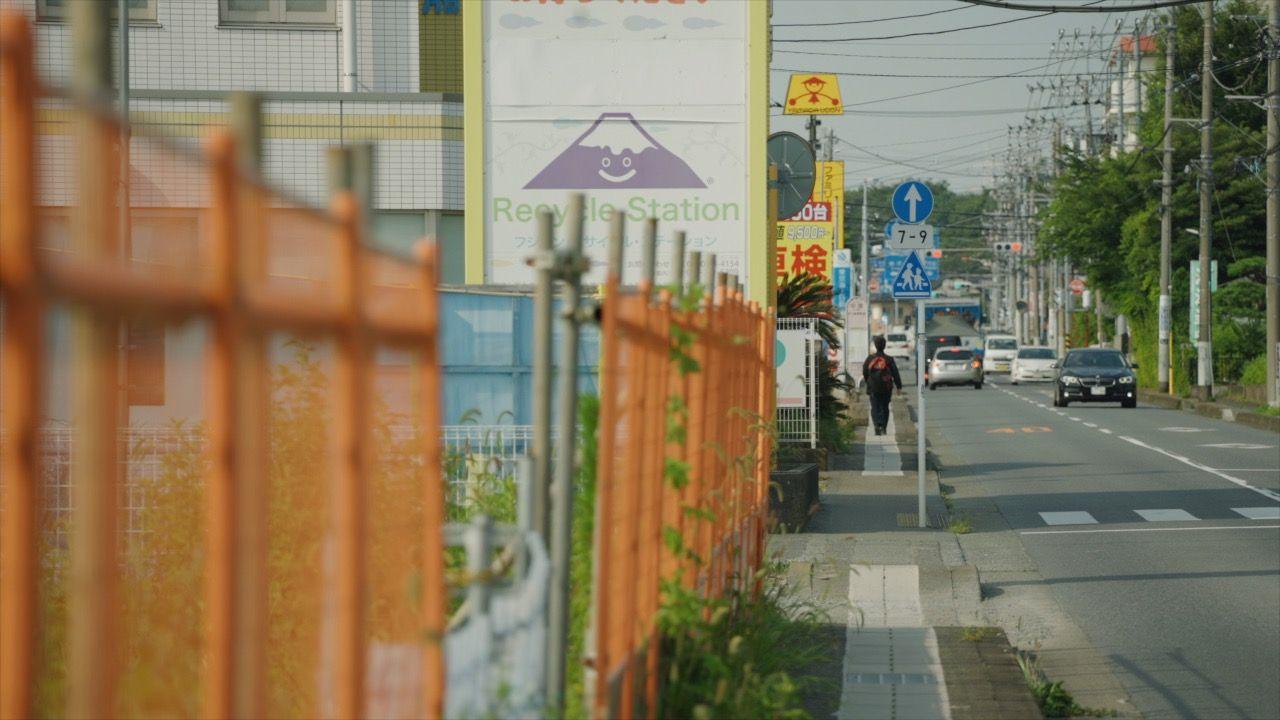
Today the field of grass in Fujisawa will soon host the town’s first mosque. The construction has sent shockwaves through the seaside community, turning a quiet locale into a flashpoint for a national debate on identity and immigration.
Long‑time resident Noriko Izumizawa expresses her anxiety: “It makes me worry about how our community might change.” Her concerns echo a broader unease about how a foreign religious site could alter the familiar rhythm of the town, generating fear, anger, and hope all at once.
Behind the surface, Japan is facing a labor shortage due to a shrinking, ageing population. The government has in recent years begun to allow more foreign workers, creating a mosaic of cultures, languages and religions—including a growing Muslim community that now numbers about 420,000 across the country.
Yet this influx has not been without backlash. Early this year, anti‑mosque protesters gathered at the local train station, demanding an end to the construction. Social media platforms have carried hateful rumors, with abuse being directed at mosques and mosques’ staff. Anti‑hate groups have responded with counter‑protests calling for respect.
Hiroki Suzuka, who runs a coffee shop opposite the construction site, says: “I’m not particularly opposed, but I wouldn’t say I’m strongly in favour either. I think the first step is to learn about them, what Islam is, what kind of people they are, and what values and perspectives they hold. It begins with having an open mind and a desire to understand each other.”
The sentiments are mirrored in broader Japan. Mr. Mohamed Mohideen, a Sri Lankan businessman living in Osaka for 39 years, describes how Muslims now feel harassed: “On social media there are comments like ‘Get out of Japan’ and ‘Go back to your own country.’ We’re called terrorists and accused of making bombs.” He calls for patience, kindness, and a shared effort to educate others.
Conversely, Mr. Shakeel Mohamed from Yashio, Saitama, says that respecting local rules—sorting rubbish, obeying parking laws—is essential. He stresses that most Japanese people are curious but not hostile, and urges the community to welcome the Pakistani‑Japanese community “Yashio‑stan” with civility.
The government’s stance remains cautious. In June 2026, the visa fees for foreigners were raised fivefold, and plans to increase Immigration Services staff aim to enforce stricter control over foreign residency. These measures reflect Japan’s attempt to balance openness with a desire to preserve its traditional identity.
Back in Fujisawa, Izumizawa admits she has never had a negative experience with a Muslim neighbour. “The truth is, maybe I just fear the unknown,” she says. The town sits at a crossroads—torn between the need for workforce and the desire to maintain its cultural cohesion.