In the southeastern suburbs of Moscow, Svyatoslav has waited two hours in his car, staring at an empty petrol station sign that has just switched from "Fine" to "No Fuel."
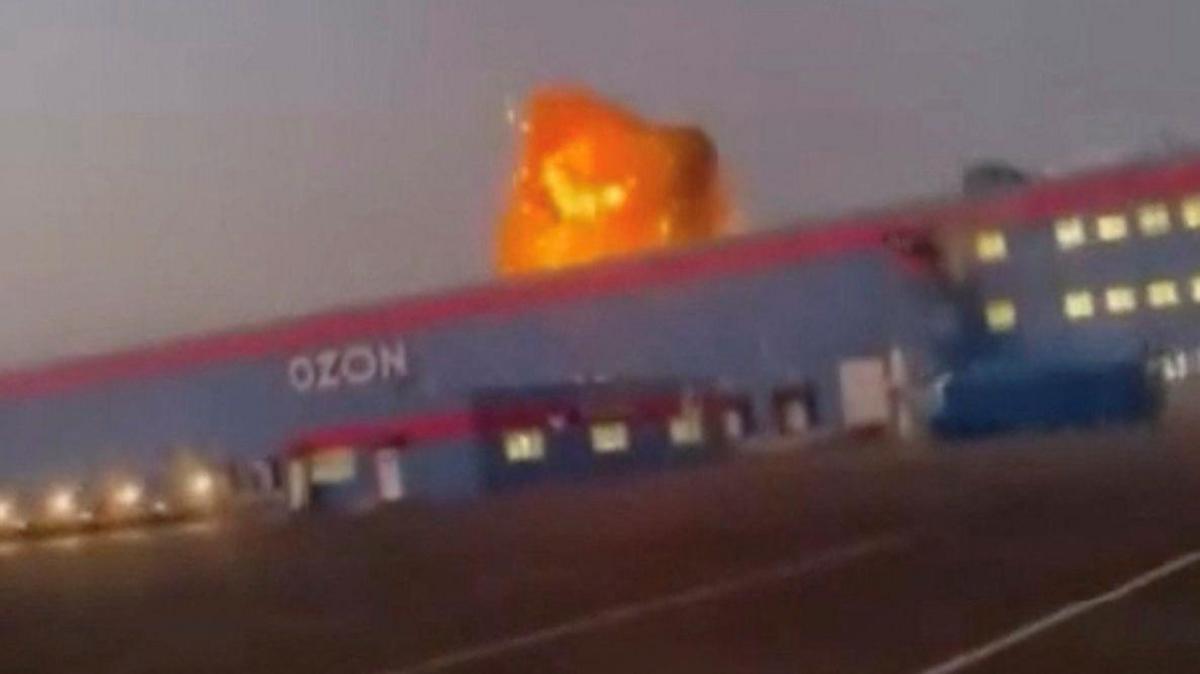
"They say petrol will be here soon," he says optimistically, but warned that no clear timeline exists. Such queuing for fuel has become daily life for many, with longer lines reported across the city than before. Premier officials cite unplanned refinery repairs caused by Ukrainian drone strikes as the cause of reduced output and the subsequent shortages.
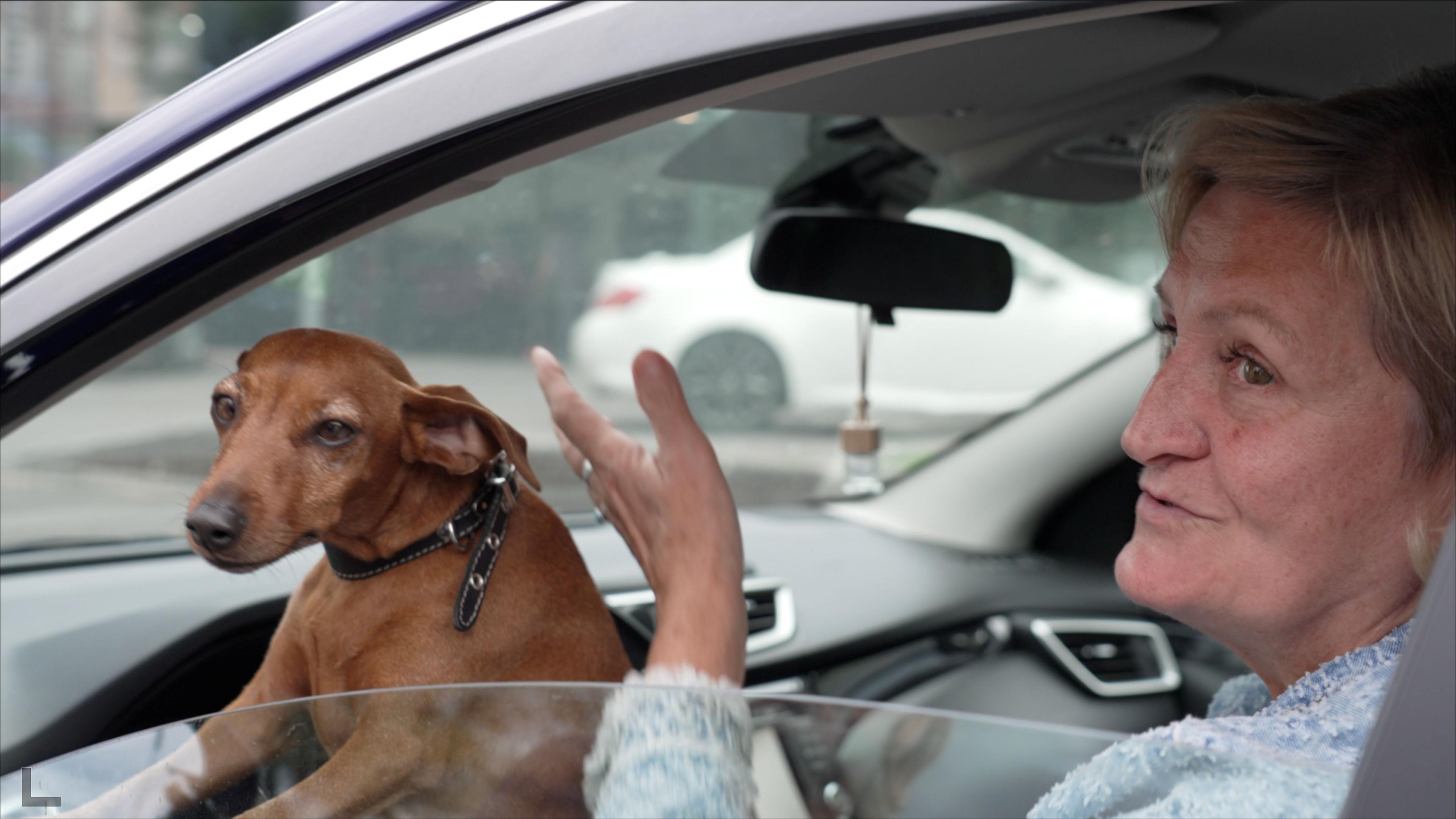
One resident, Elizaveta, describes arriving at 11 pm for fuel and leaving once the line reached her. By the following morning the station had closed again until 2 am. Another, Lyubov, drove from the provinces and found all stations in Moscow empty, yet she kept her dog Agatha on a blanket to stave off boredom.
The Russian government has begun importing fuel—unprecedented for a country normally an energy super‑exporter—and authorized the temporary sale of Euro‑2 petrol, a highly sulphur‑laden fuel banned in 2013. Official warnings note that its use can damage modern engines, but the crisis forces a compromise between supply and safety.
Alongside these logistical woes, patriotic displays have been staged to mark Russian Flag Day, with billboards on giant screens and crowds handing out tricolours. "The patriotism remains steady," comments a local, pointing to the thriving crowds at a street concert where children pose next to a display of hand‑held rocket launchers.
Amid the fervor, voices express anxiety. In a recent interview with the independent outlet Novaya Gazeta, columnist Andrei Kolesnikov notes that the public’s anxiety is growing, and underlines a disconnect between the Kremlin’s depiction of stability and the ground reality confronted by citizens. He says, "The regime does not present any model of the future; people live with a short‐term outlook, fearing that the crisis could swallow us all.", in response to growing unrest.
While the resilience and patriotic spirit of many continue to shine on Flag Day, the ongoing fuel shortage and the shock of Ukrainian drone attacks remind Russians how fragile their day‑to‑day routine has become. The intersection of national identity, public anxiety, and the tangible effects of war paint a complex picture of life in Moscow in 2026, whispering a warning that the future may not yet be fixed in place but exists amid uncertainty.