From Paper Leaks to Political Tide: India’s Youth Surge
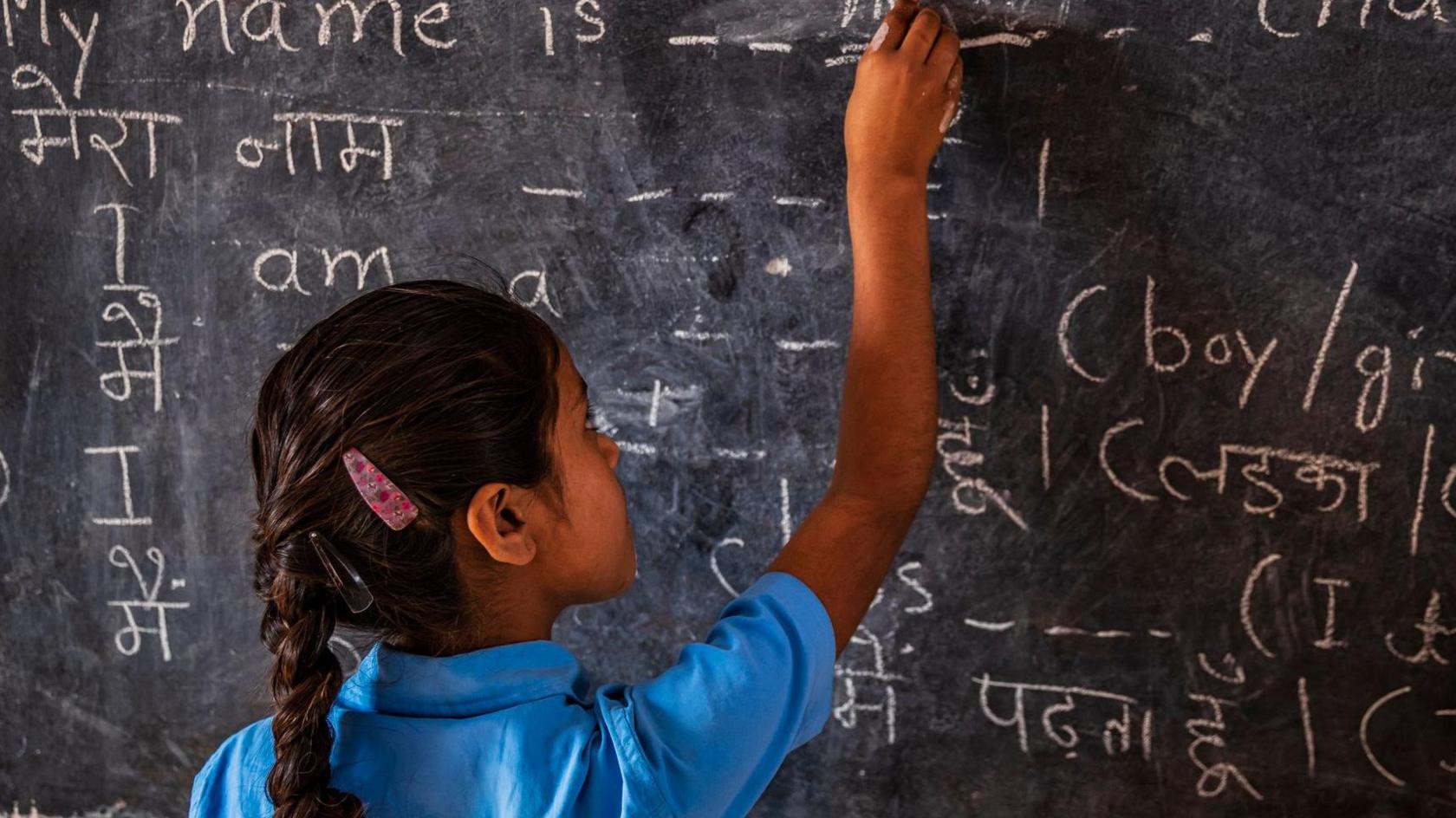
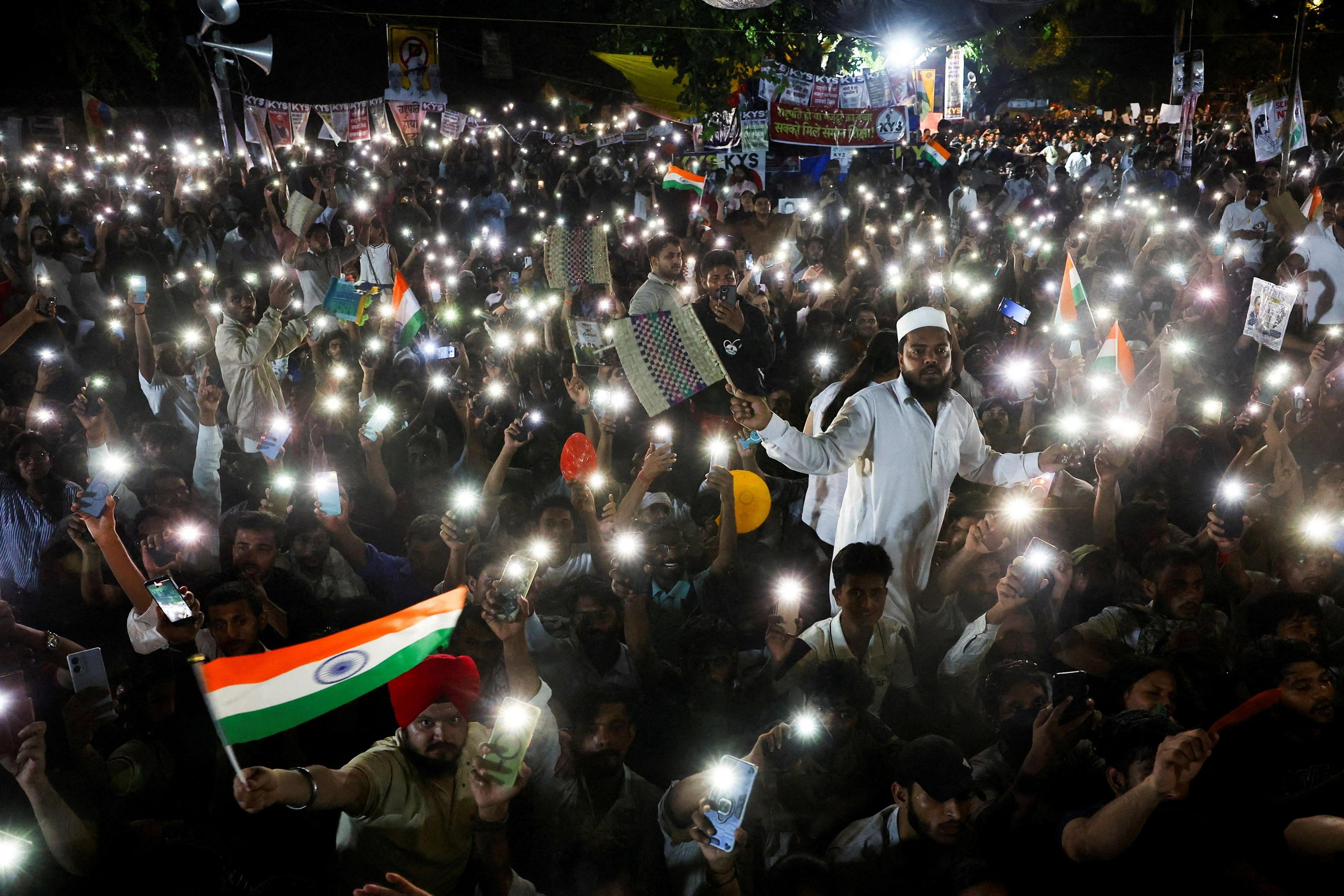
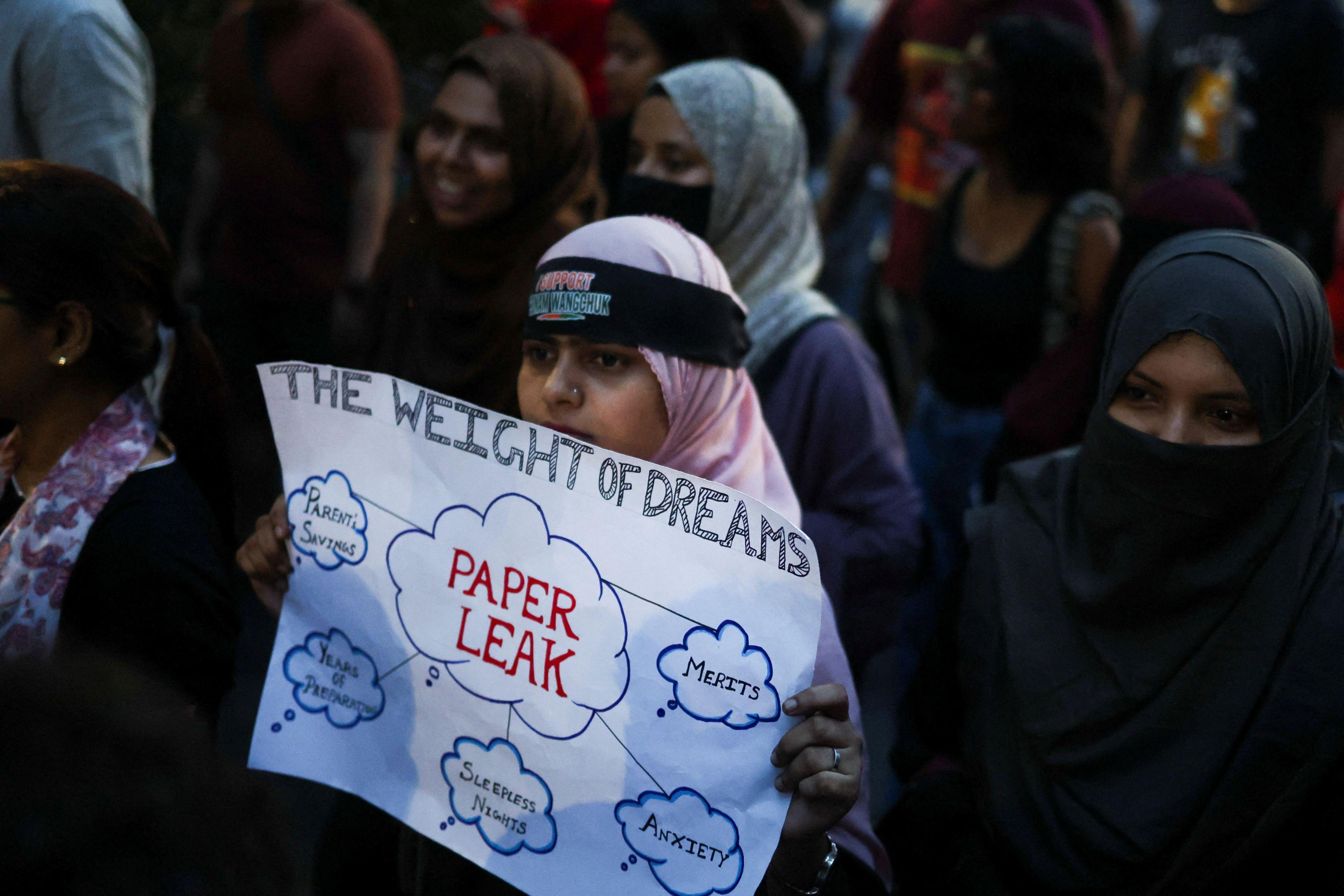
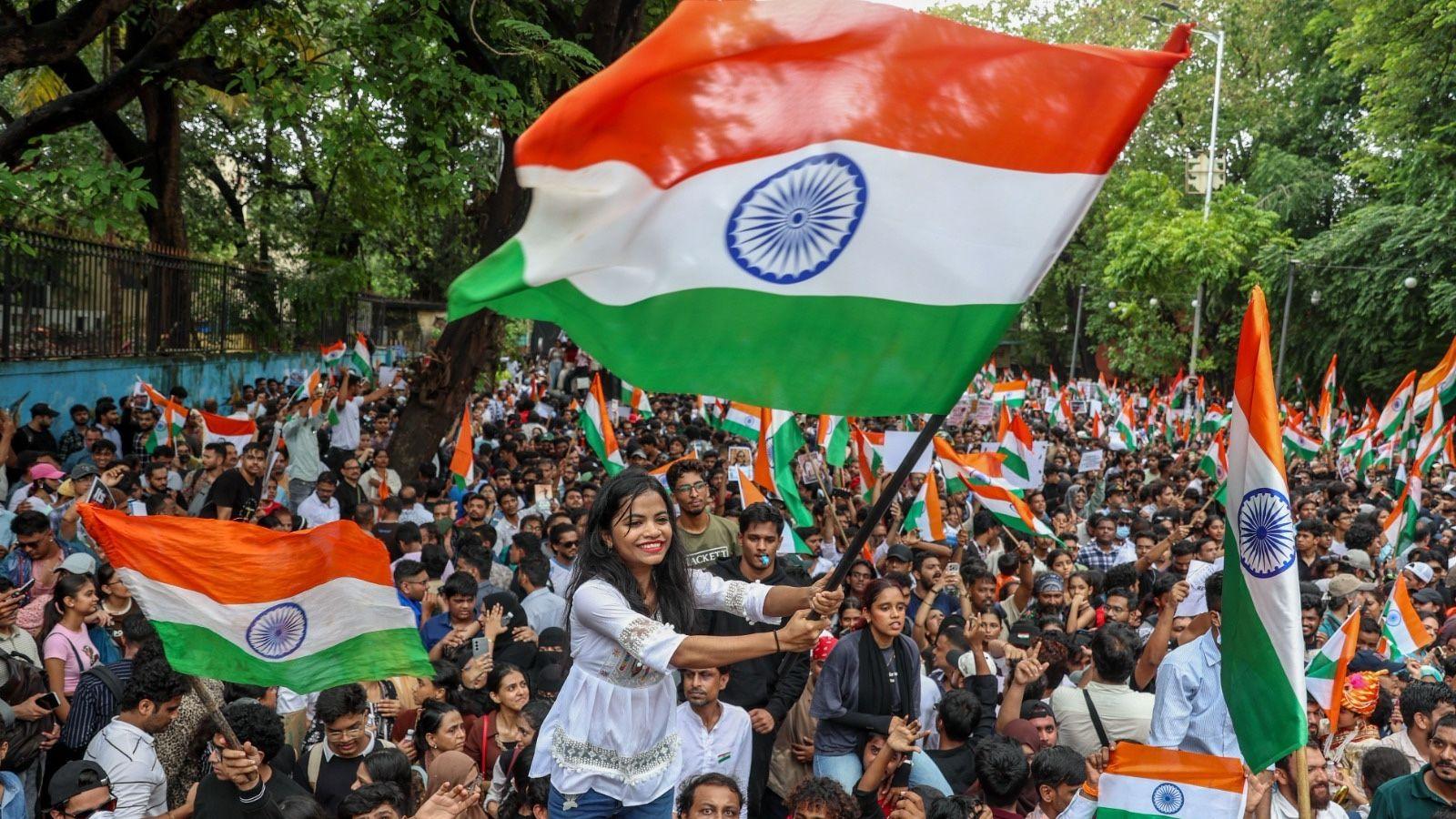
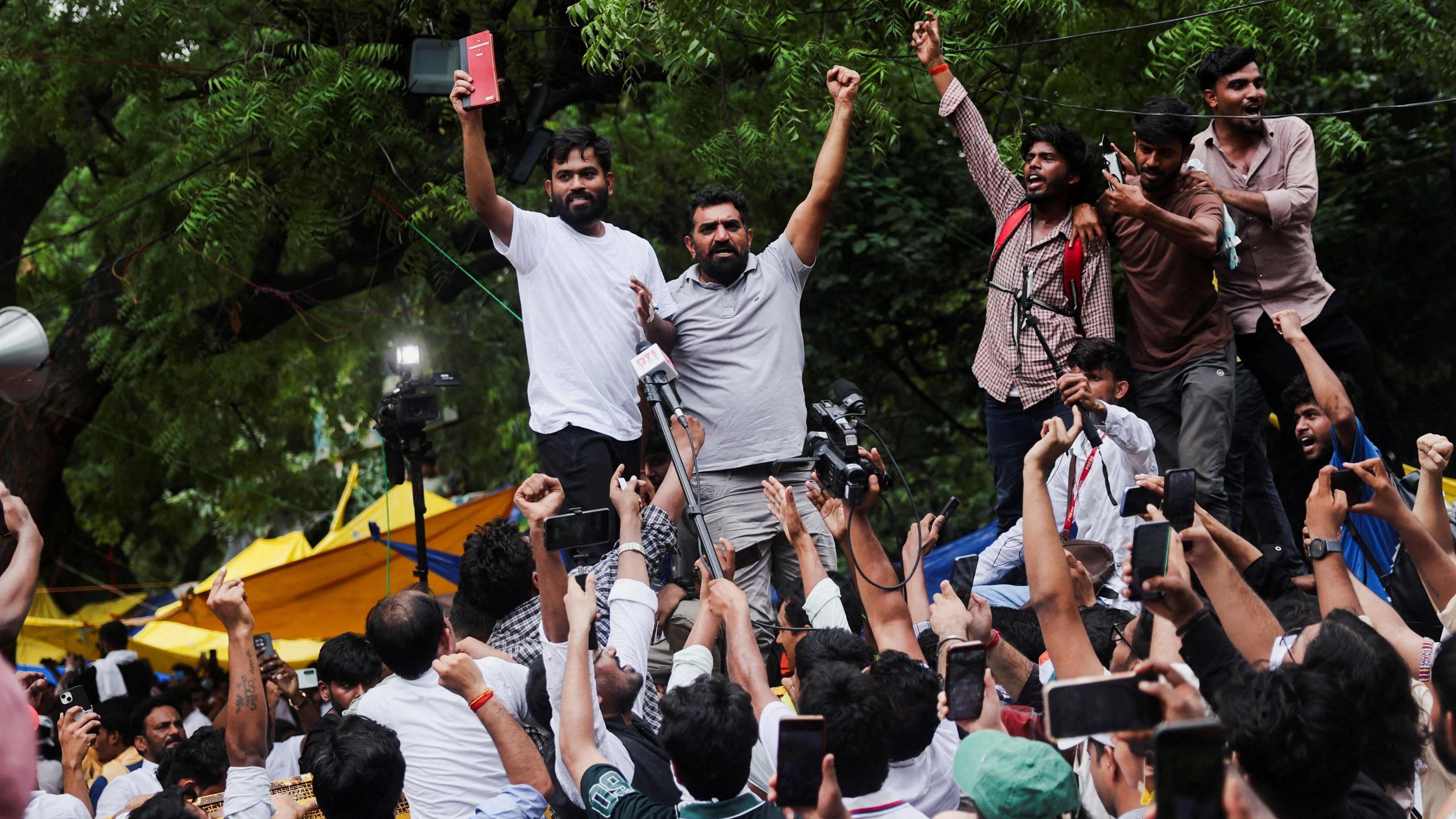
The story began in the quiet halls of Delhi’s exam centres, where leaked papers sparked anger across the country. Students saw their future uncertain; they marched onto Parliament, demanding accountability and change.
The movement, known as the Cockroach Janta Party, has grown into India’s largest student mobilisation in years. It calls for fast‑track courts, the resignation of the education minister, and a comprehensive overhaul of the exam system that cuts across caste, class and gender.
The protest is not about ideology. Analysts say it is a challenge to government performance itself: an indictment of administrative failure. The BJP has struggled to rally support against it, as most participants share a common frustration rather than a specific political allegiance.
In response, Prime Minister Modi addressed the issue publicly, promising swift penalties for leak perpetrators. Yet many politicians debate whether the gesture will quell the unrest or merely grant temporary relief.
Experts warn this may be a fleeting outlet for anger or the prelude to a broader democratic impulse. The movement’s energy hinges on sustained political engagement, media visibility, and institutional responsiveness.
The youth movement exemplifies a new form of political pressure in India: non‑electoral, grassroots pressure demanding accountability and delivery. Whether this momentum will reshape policy or dissipate into a transient wave depends on how the state chooses to respond over the coming months.