In brief
Debert’s once‑military Diefenbunker is now a 50‑unit luxury complex designed for the ultra‑wealthy to survive any disaster. The 64,000‑sq‑foot tunnel will feature gourmet dining, biometric access, and an on‑site data centre. Bunkers elsewhere are disappearing, but this project keeps a piece of history alive — albeit in a very different form.
A Cold War Bunker Gets a Luxury Make‑over as Doomsday Condos
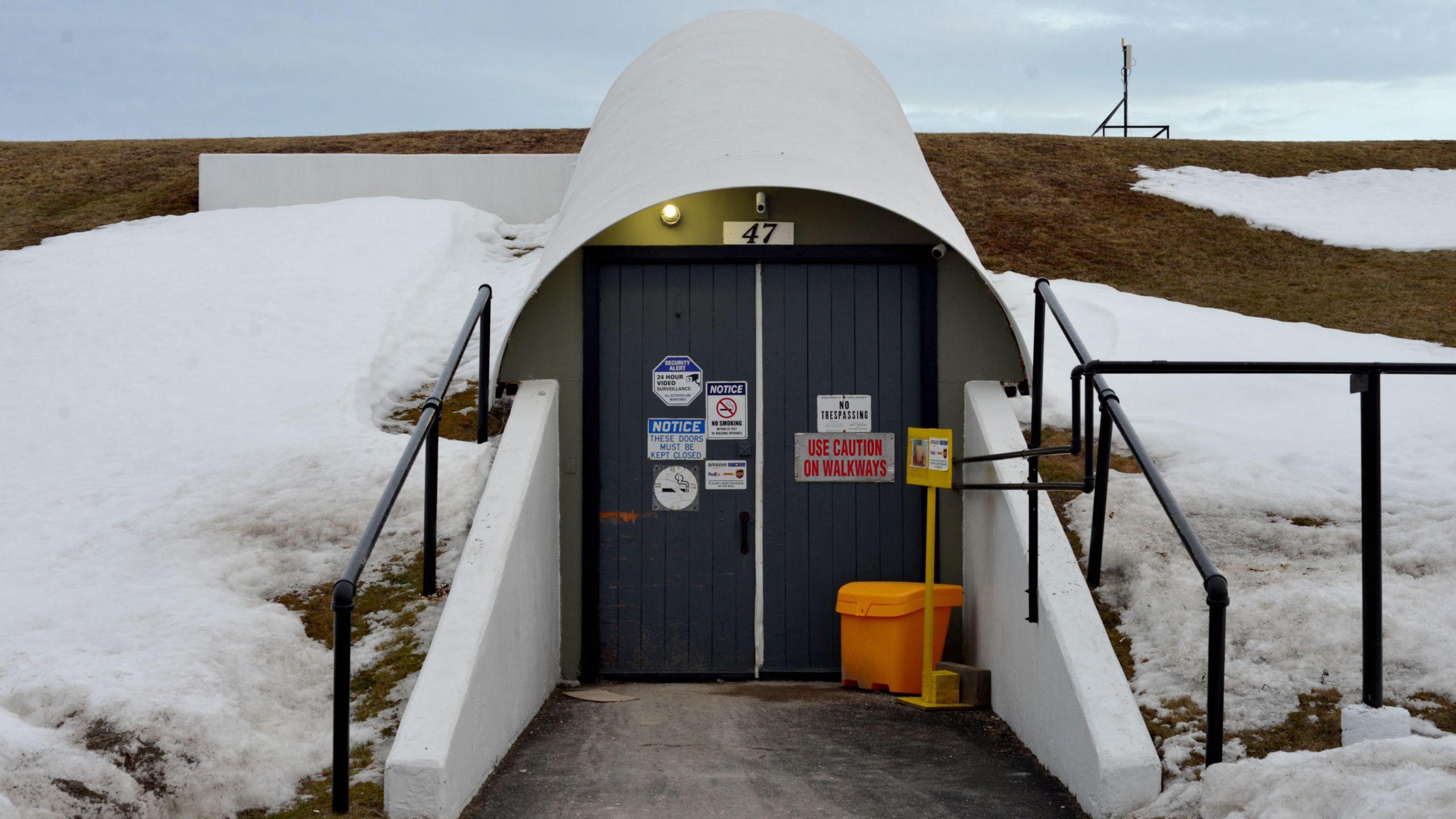
Just 70 miles north of Halifax, the quiet town of Debert once hosted a massive military training ground that later became the site of Canada’s first nuclear bunker. Today, that underground facility – the 64,000‑sq‑foot Diefenbunker – is in the plans to be turned into 50 high‑end condominiums designed for catastrophe‑prone billionaire tenants.
Crypto mogul Jonathan Baha’i has bought the site for a reported C$31,300 in 2013 and has re‑imagined it as a self‑sufficient, biometrically‑secured haven. Amenities will include a gourmet kitchen set in a sustainable food‑production unit, 24‑hour surveillance, onsite medical staff, a private spa, a yoga studio, and a cigar lounge. The complex will also feature an over‑ground bunker used for future food cultivation.
The project, managed by Baha’i’s Fallon Complex Inc and acting on‐site security specialists Bespoke Home and Yacht Security, has already sold 11 units. When tenants are not present, the units will be rented as high‑end boutique hotel rooms, with profits distributed between owners and the operator. Exact selling prices and rental rates are currently undisclosed.
Baha’i stresses that the installation is less about apocalypse and more about “smart, practical storm preparedness.” He used the bunker during Hurricane Fiona in 2022 to shelter his team and their families, demonstrating its off‑grid reliability. He hopes the redevelopment will bring tourism, a world‑class data centre, and upgraded local infrastructure to Debert.
While the town’s mayor sees the project as a novel asset new businesses and visitors can draw, local historians and museum officials worry that converting a piece of Cold War history into a private luxury complex risks erasing its heritage. It highlights a broader trend in Canada: as old military sites fall out of use, they are increasingly repurposed as data hubs or upscale residences.