
In brief
The US Senate has approved Jay Clayton as the new Director of National Intelligence, replacing acting chief Bill Pulte. Clayton, a former federal prosecutor and SEC commissioner, brings legal rigor to an agency racked by political turbulence. Analysts weigh his cautious stance amid concerns of political interference. The confirmation could ease congressional scrutiny of FISA and help guide the agency through upcoming policy reforms.
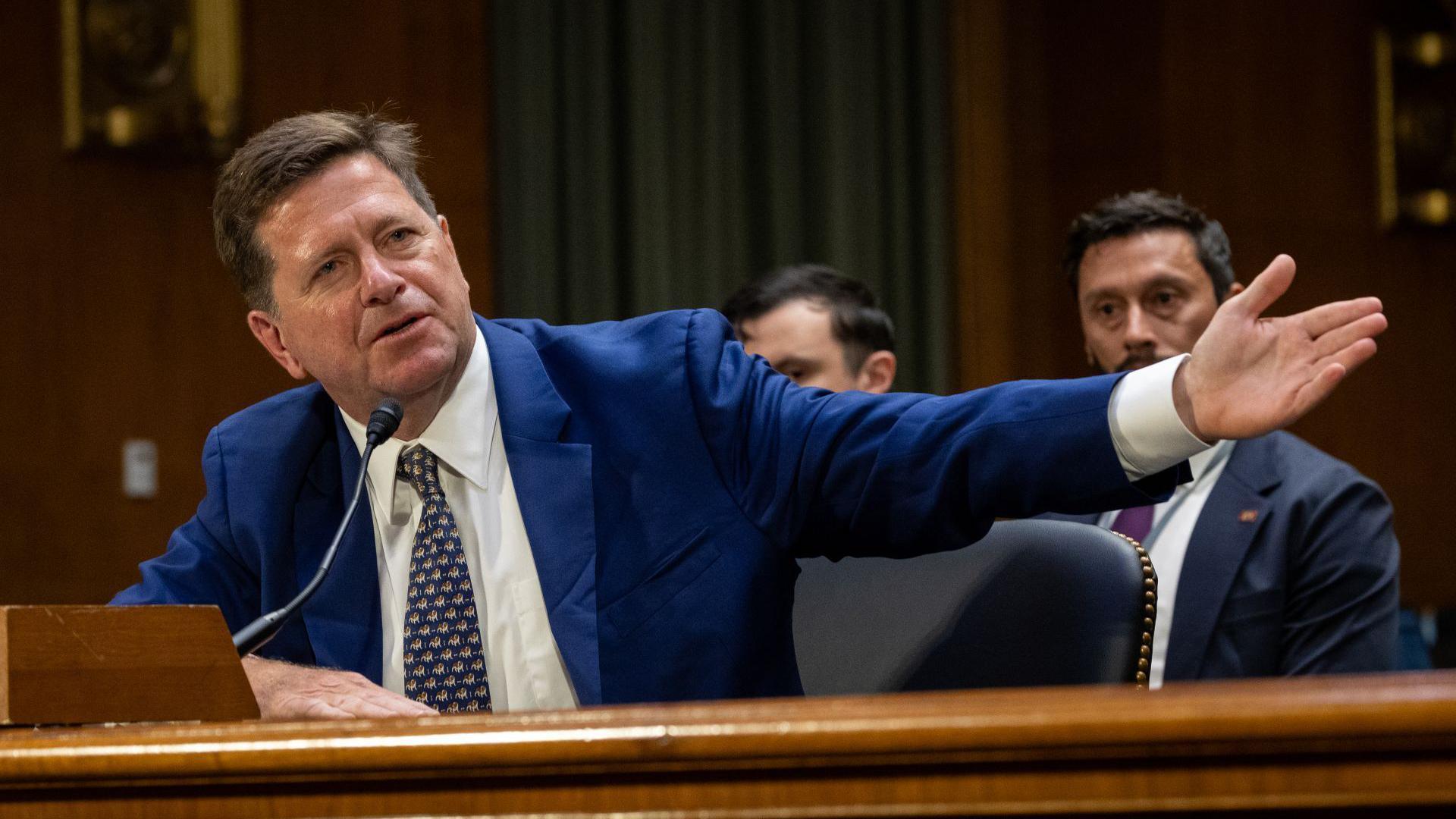
Jay Clayton has been confirmed as the next US director of national intelligence (DNI), after President Donald Trump’s original pick was rejected by lawmakers.
The Senate voted 51‑47 to install Clayton, who had served as the US attorney for the Southern District of New York, on Tuesday. He replaces acting DNI Bill Pulte, whose appointment as Trump’s choice ruffled feathers for lacking intelligence experience.
Clayton’s legal pedigree – a former federal prosecutor and SEC commissioner – contrasts with Pulte’s housing‑regulatory background and brings a record of high‑profile prosecutions, including the drug‑trafficking case against former Venezuelan president Nicolás Maduro.
Trump praised Clayton on Truth Social, calling him “outstanding in every way” and predicting he would “do a spectacular job” as director. Meanwhile, the former acting chief’s tenure drew criticism from both parties after he cut staff and used his regulatory role to subpoena presidential opponents.
Before his confirmation, Clayton faced a controversial hearing. He was asked if former President Joe Biden secured the 2020 election, to which he affirmed that Biden was “certified” as the winner, adding “I’m not an election denier.” Democratic Senator Mark Warner later voiced reservations that Clayton might yield to political pressure.
The Senate’s decision is already seen as a step toward reauthorising Section 702 of the Foreign Intelligence Surveillance Act (FISA). This provision, which allows the government to collect foreign communications without individual warrants, has struggled to endure past political opposition.
Republican Majority Leader John Thune publicly urged that Clayton’s appointment encourage the Senate to move forward with FISA renewals. His testimony reflects bipartisan hopes that the intelligence community will regain steadier leadership after a period of uncertainty.
For a deeper dive into the case and its implications, read the full BBC article.
Original photo courtesy of Getty Images, used with permission.

