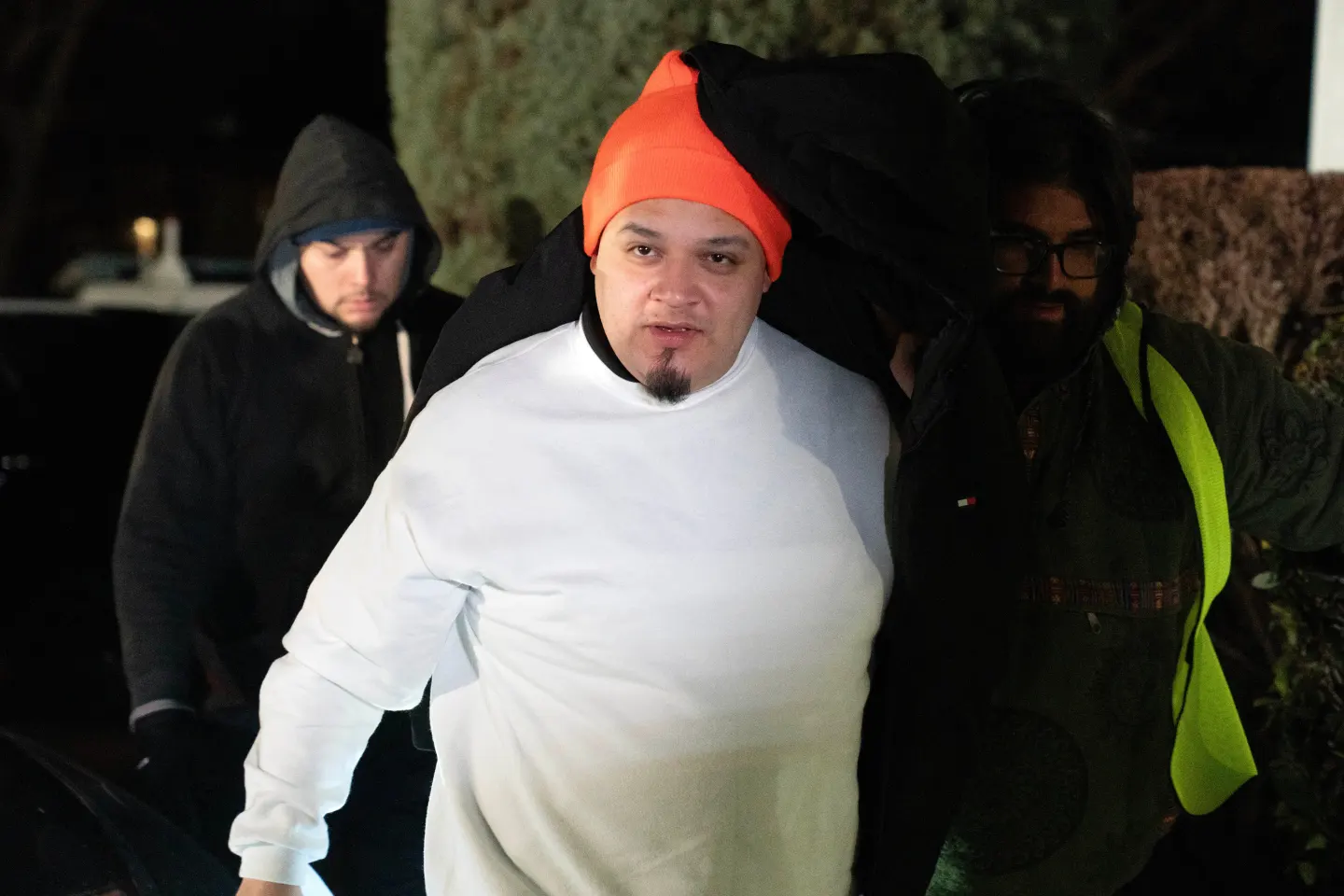
The Minneapolis police chief has criticized federal immigration agents following a confrontation with protesters over the attempted arrest of a woman. Eyewitness video captured the moment when federal officers kneelt on the woman's back as she lay atop a snowbank, drawing loud protests from onlookers who claimed she was pregnant and unable to breathe.
In the midst of heightened tensions in the Minneapolis-St. Paul area, a federal crackdown on immigration operations has been focused on the city's sizable Somali community. Onlookers pleaded for the agents to release the woman, who was eventually allowed to go free after the officers abandoned their attempt to detain her amid the protest.
Police Chief Brian O’Hara stated that city law enforcement was called to the scene by a federal agent. Upon arrival, the responding officers observed no violent actions against federal personnel and sought to de-escalate the tension, hinting at potentially questionable tactics employed by other law enforcement agencies.
“We have been training our officers for the last five years very, very intensely on de-escalation,” O’Hara remarked, regretting that such training was not being reflected in the actions of federal agents. The intense focus on de-escalation has not been mirrored in the aggressive methods reported by protesters during these recent encounters.
Meanwhile, Department of Homeland Security assistant secretary Tricia McLaughlin defended the actions of federal officers, accusing protesters of assaulting officers with debris, which resulted in injuries including cuts. Two individuals were reportedly charged with assaulting federal officers during the incident.
In a further reflection of the evolving federal tactics, Hodan Hassan, a former state legislator, observed that the aggressiveness of ICE operations has markedly increased in the area over the past few weeks.
This latest incident in south Minneapolis comes just a stone's throw from where George Floyd was killed by police, an event that catalyzed a nationwide movement for racial justice and calls for police reform, leaving a lasting reverberation in the communities involved.