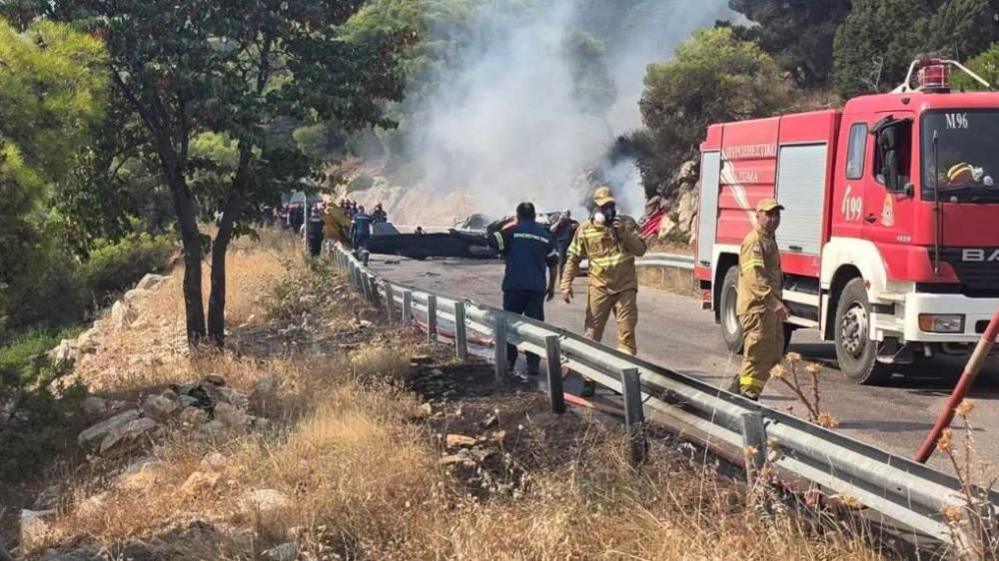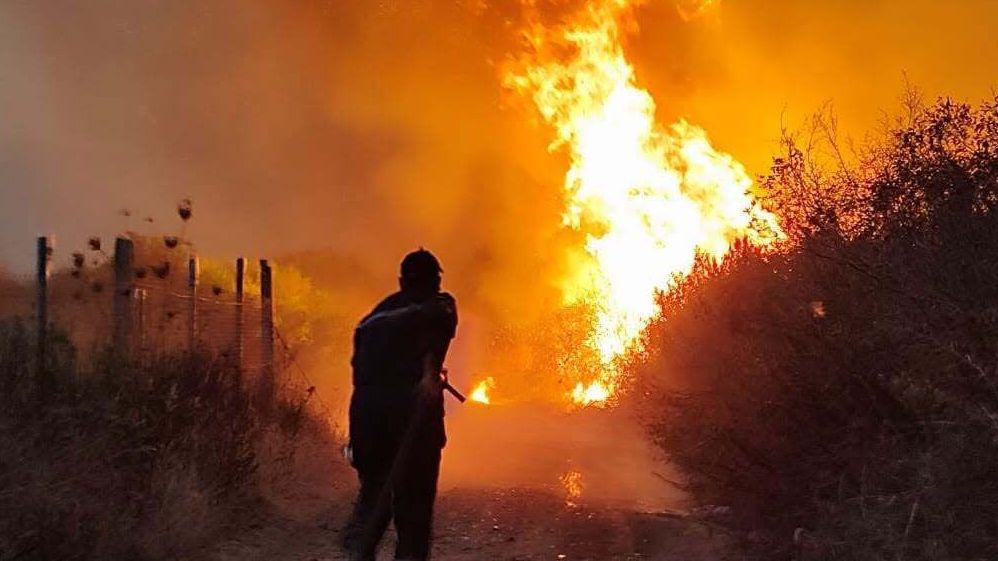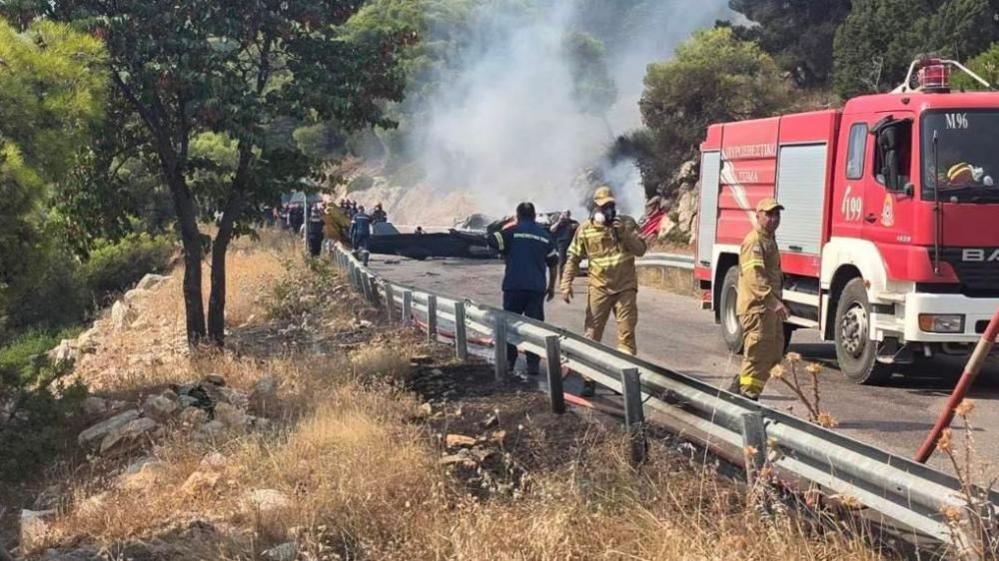
At approximately 14:00 local time, two Bell helicopters leased from Australian firm McDermott Aviation collided 65 km west of Athens while fighting a wildfire that had erupted on the Attica‑Boeotia border. The impact caused one aircraft to burst into flames and crash into a ravine; the other made an emergency landing in an area of low vegetation.
The crash resulted in the deaths of a Danish pilot and a Greek fire‑service liaison officer aboard the first helicopter. A British pilot and a Greek co‑ordinator on the second aircraft did not suffer serious injuries, though both were treated for minor wounds at a nearby hospital.
Greek Prime Minister Kyriakos Mitsotakis posted to social‑media platform X, saying the loss of the Greek officer and the Danish pilot “fills us all with grief” and offering condolences to the families.
According to a source in the civil protection ministry, all Bell helicopters operating in Greece were immediately grounded while authorities investigate the incident. McDermott Aviation’s founder, John McDermott, expressed “thoughts and deepest condolences” to those affected and promised full cooperation with investigators.
While the accident has disrupted operations, other aircraft—such as Erickson Air‑Crane, Chinook helicopters and Canadair water‑bombers—continue to provide aerial firefighting support over the country’s ongoing blaze.
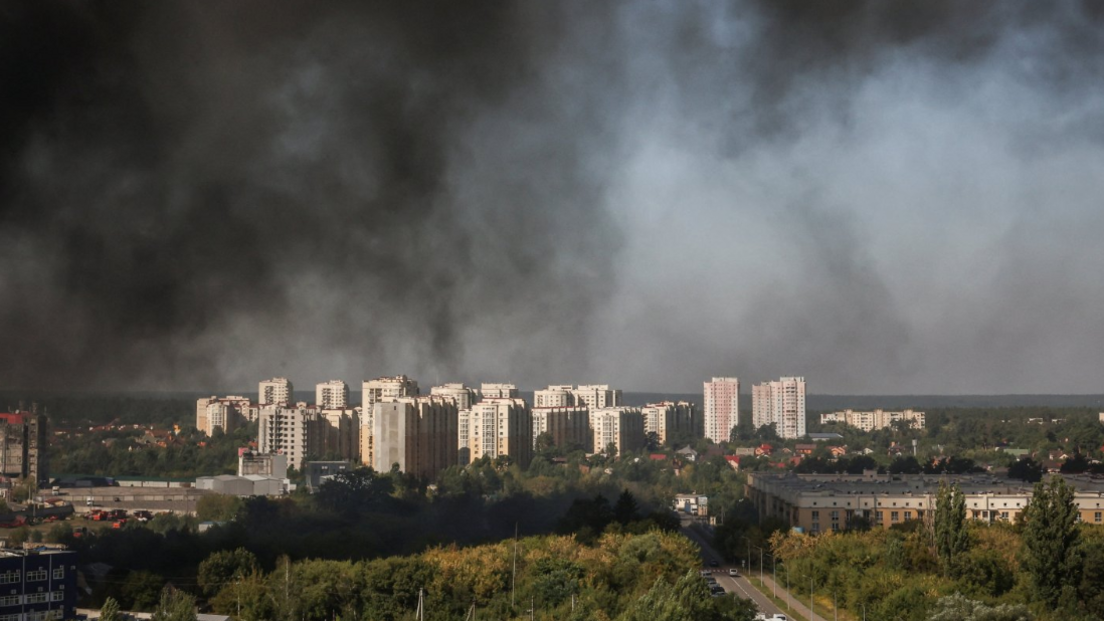
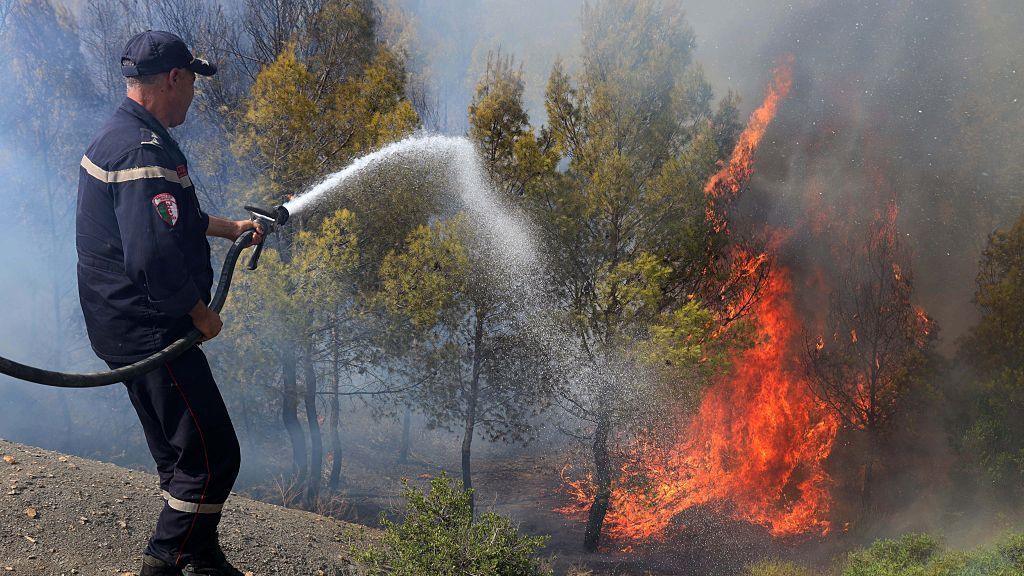
The current wildfire spree in Greece follows a series of devastating fires across Europe, with scattered outbreaks in Spain near Madrid and Bordeaux, and large conflagrations in France's southern regions. Despite containment efforts, many fires remain active and dozens of thousands of residents who were evacuated begin to return home.
Experts attribute the surge in wildfires to a combination of human activity and the increasingly favourable conditions created by climate change. Warm, dry seasons after a mild, wet winter have turned lush vegetation into tinder, allowing fires to spread rapidly in hot spells.