When a school’s door opens to cows
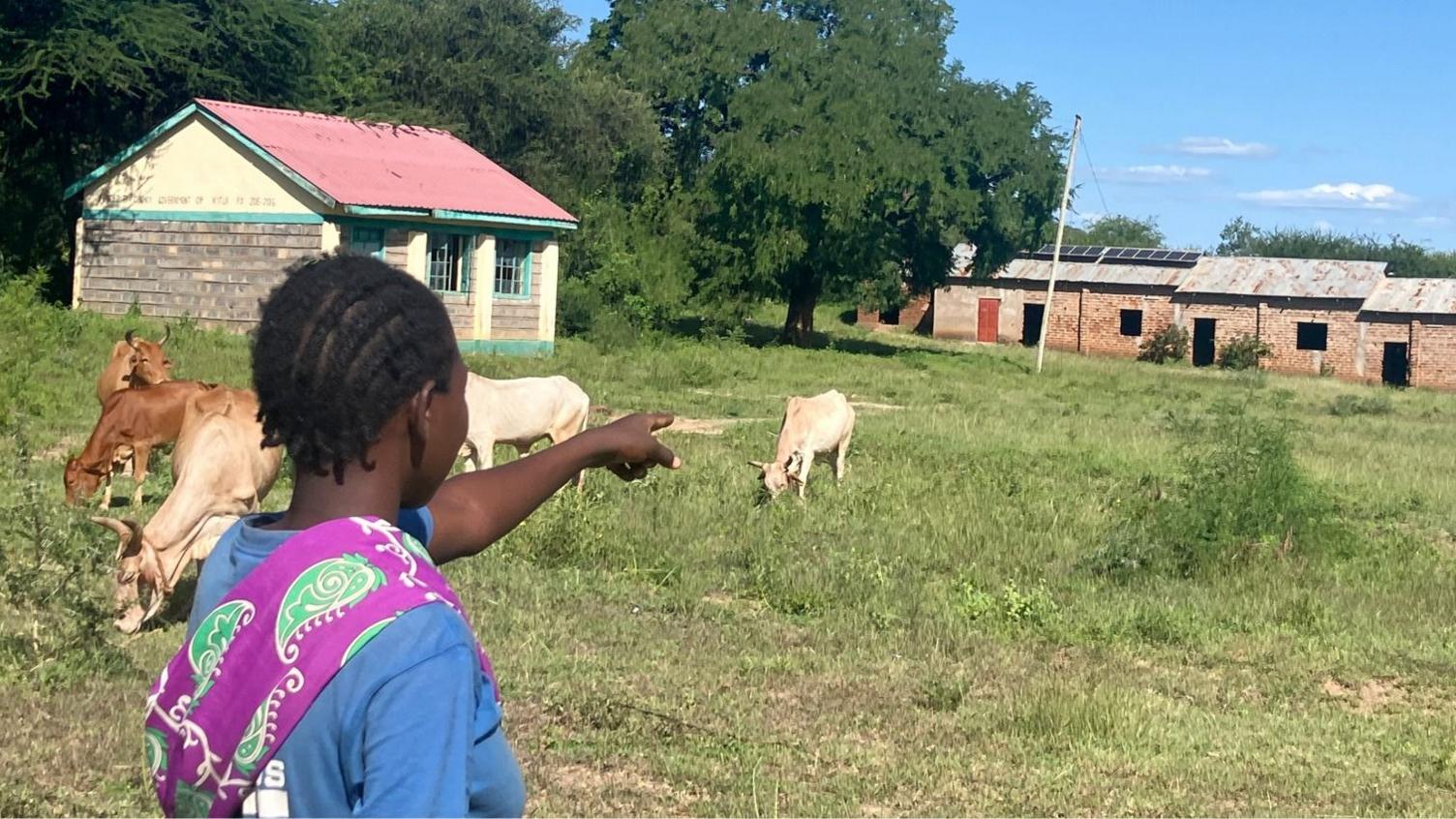
Kaliluni Primary in southern Kenya looks as if nothing has happened for years. Broken classrooms, open doorways, and the scent of a green lawn sit in contrast to the lack of laughter and chatter. Cows have taken up residence between the long‑gone benches, turning the place into an agricultural outpost rather than a learning hub.
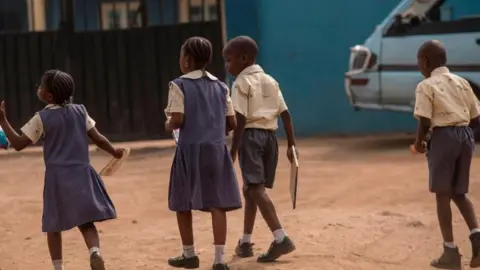
Five pupils who once filled the building with noise are now gone. The children’s schools, teachers, and local families have vanished because the government’s new curriculum brings unprecedented demands – new subject blocks, labs and a ceiling on student numbers.
The competency‑based reform
The policy called for a move away from exam‑based learning toward real‑world skills. However, the new system insists that primary schools accommodate grades one to nine (now the “junior secondary” stage), while higher grades stay in separate institutions. Rural schools, often with one room and a single teacher, cannot meet the requirement for laboratories, subject specialists or a minimum of 45 learners for viability.
Education minister Julius Ogamba now admits that “2,145 public primary schools will be closed or merged.” The government will audit each institution to cut those below the minimum enrollment.
Long walks and lost dreams
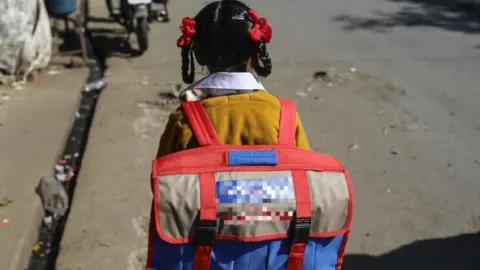
Maureen Mwisiwa, 12, once attended Kaliluni but now can only walk an hour to the nearest school 8km away. Mothers like her fear the future if children must spend hours each day on rough terrain. Urban migration and fewer births compound the decline; 70% of Kenyans still live in rural areas, but predictions forecast more than half living in towns by 2050.
The rapid shift also threatens overcrowding. Secondary schools, which already run below capacity in remote areas, will suddenly receive surplus pupils, leading to a precarious “down‑or‑out’’ scenario where students either stay in fragmented rural camps or squeeze into distant institutions.
Voices from the ground
Teachers argue that implementation is failing. “We need teachers equipped for CBE; training has been inconsistent,” says a rural instructor in Kitui. Others, like Bernard Musyoki, a Machakos teacher, believe a fair distribution of students is required. “Every child, whether in a small rural school or a large one, deserves equal access to teachers and classroom space.”
Crucially, the nation must consider whether the cost of operating a single‑student school outweighs its educational value, or if consolidation and support will truly strengthen the rural education system.
For deeper analysis follow BBCAfrica.com or connect via Twitter @BBCAfrica.