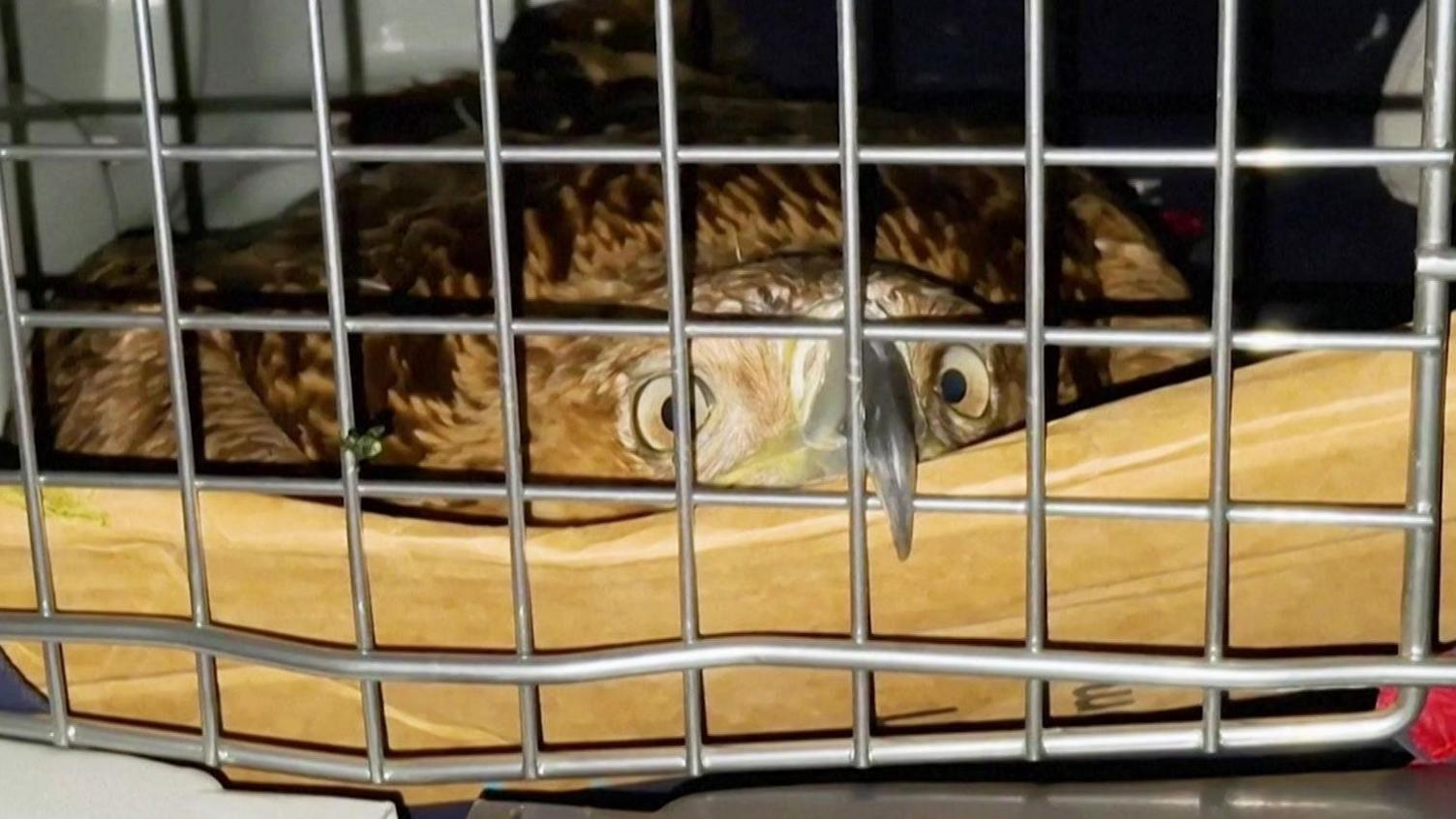
Feliks’ Odyssey
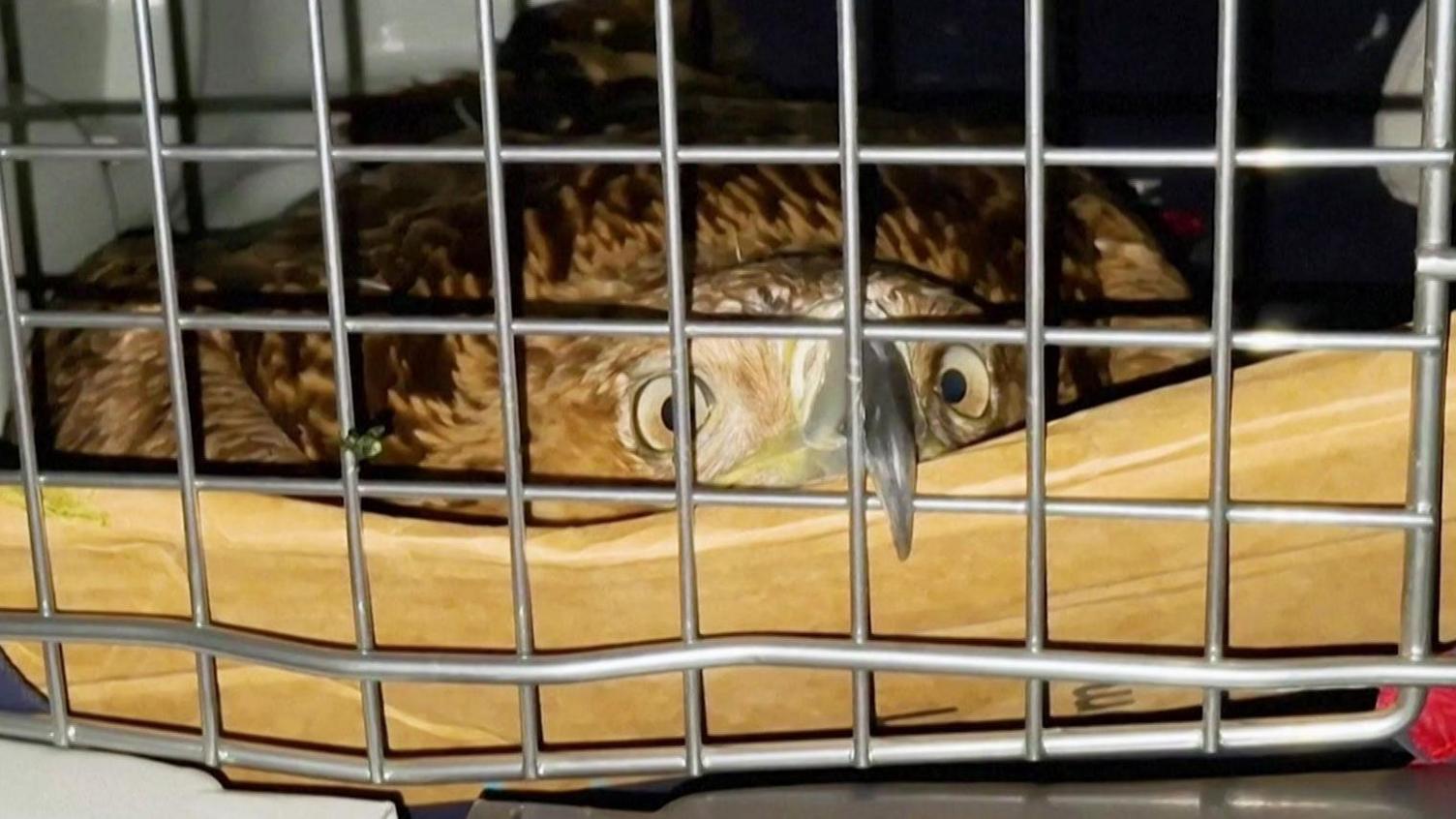
Feliks, a young eastern imperial eagle (Aquila heliaca), was seized by poachers in Syria in late 2025, then sold to a trafficking ring that demanded a ransom. The Serbian conservation team refused the offer, citing the direct link such payments create to ongoing smuggling networks.
Negotiations stretched for months, during which Feliks was held in an undisclosed cage. He was eventually taken to a wildlife centre in Beirut, where veterinarians monitored his health. After over half a year of recovery, a formal arrangement was struck to bring him home.
A Serbian military transport fly‑coupe ferried Fa‑lks from Beirut back to Serbia in late June. Upon arrival, he was transferred to the Palic Zoo’s secure enclosure, where his feathers were weak and his wings were not yet fully recovered. Men of the zoo di®cted daily veterinary check‑ups and monitored his vitals.
In early July, after a month of careful rehabilitation, the eagle was let into the wild. The release took place at Palic’s Montane woodland, where her environment is suitable for the species’ migration paths. Officials say they will continually monitor Feliks via satellite trackers for the first weeks of his free flight.
At the press conference, MP Milan Ružić, executive director of the Bird Protection & Study Society of Serbia, remarked that the successful rescue of Feliks “symbolises renewal of hope for the critically endangered population.” The eighter’s wingspan measures over 1.8 meters, and its presence is a key indicator of the health of the Balkan forest ecosystem.
The incident underscores the relentless spread of zoological crime and the dedicated collaboration required to arrest it. It also demonstrates the urgent need for continuous monitoring of migratory routes, especially as fluctuating environmental conditions increasingly threaten bird species worldwide.