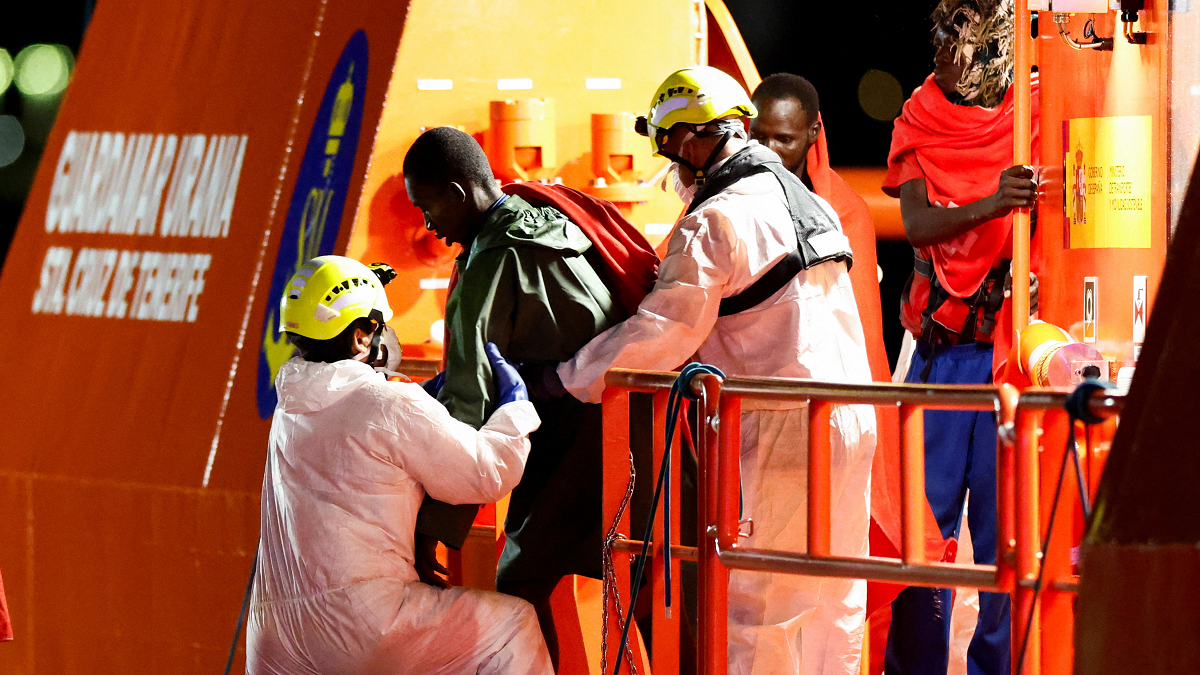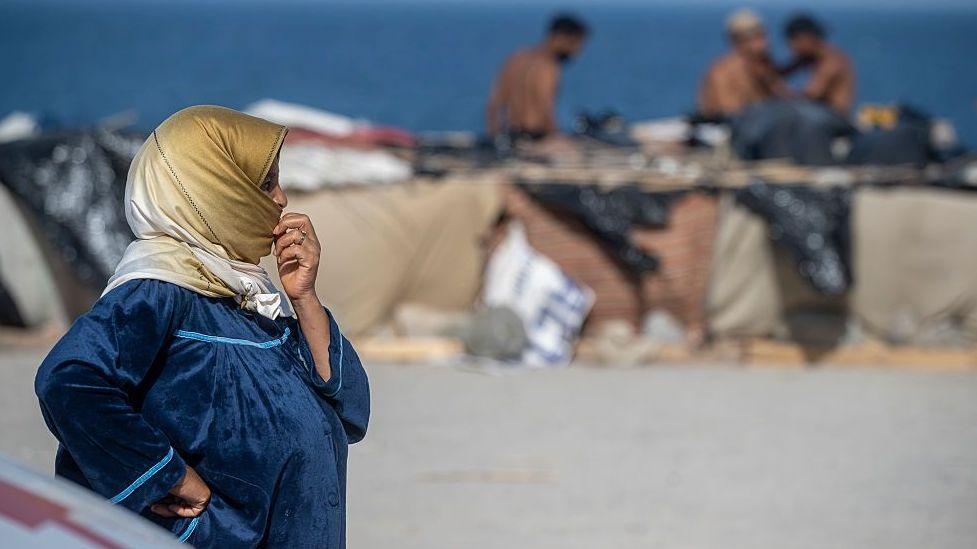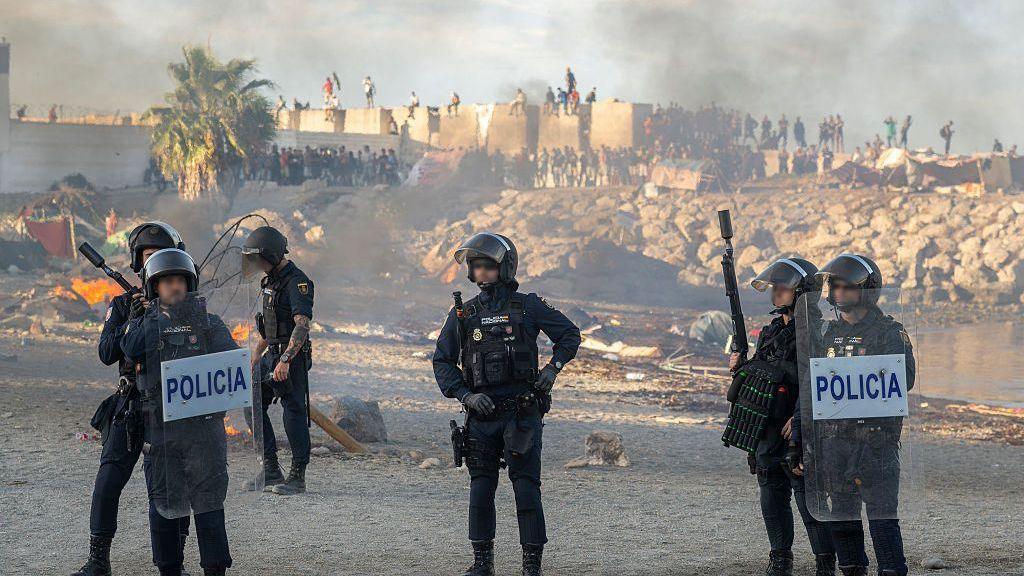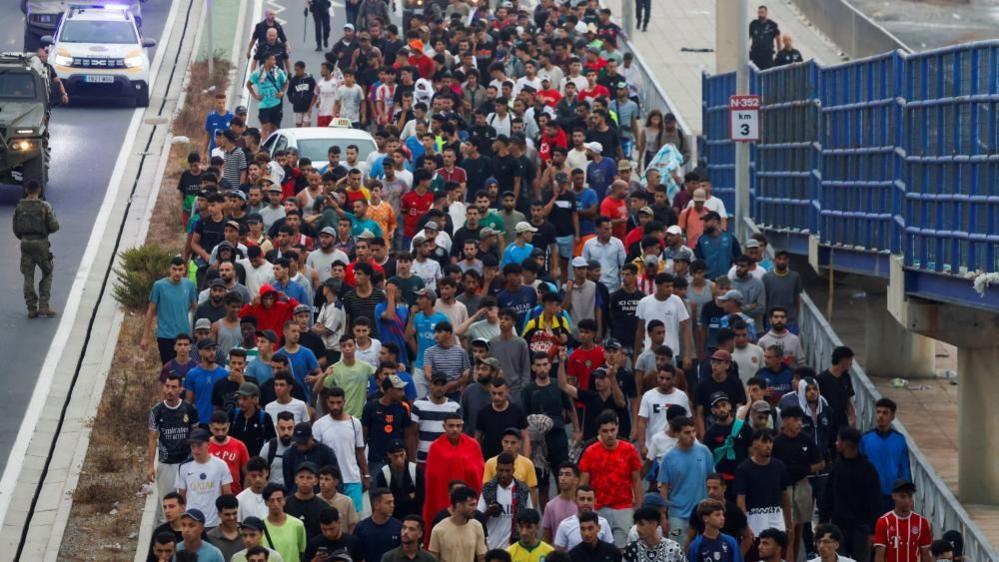
The European Union is convening an emergency summit next Tuesday to address the flare‑up in Ceuta, Spain’s small enclave on the north‑western coast of Morocco. The meeting comes in the wake of a crisis marked by the arrival of an estimated 60,000 migrants who crossed the border in late July, creating a humanitarian bottleneck and reigniting long‑standing tensions between Spain and Morocco.
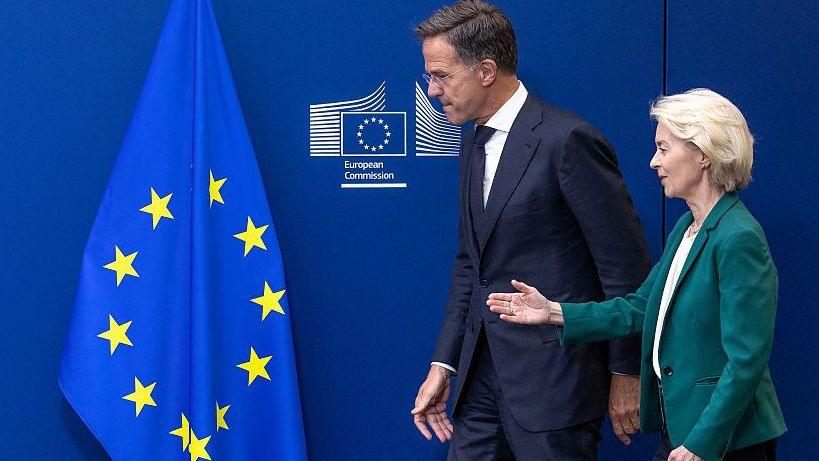
A joint letter signed by 22 member states calls for a coordinated, strengthened approach to the EU’s external borders. The document warns that the surge and any perception that illegal entry is possible could encourage further attempts, erode confidence in shared migration policy, and jeopardise all Member States. Signatories include the Netherlands, Finland, Belgium, and others, and it is addressed to President Antonio Costa of the European Council, European Commission President Ursula von der Leyen, and Ireland’s Taoiseach Mr. Michael Martin, the current President of the Council of the EU.
Spanish Prime Minister Pedro Sánchez has sharply criticised fellow EU leaders for what he describes as a “selfish, polarising and unlawful” reaction. He insists that Spain’s border regime has been fully restored, preventing unauthorised onward movement into continental Europe within less than 48 hours. He also points out that Ceuta is not part of the Schengen area and condemns the idea that migrants might be able to exploit the enclave as a loophole.
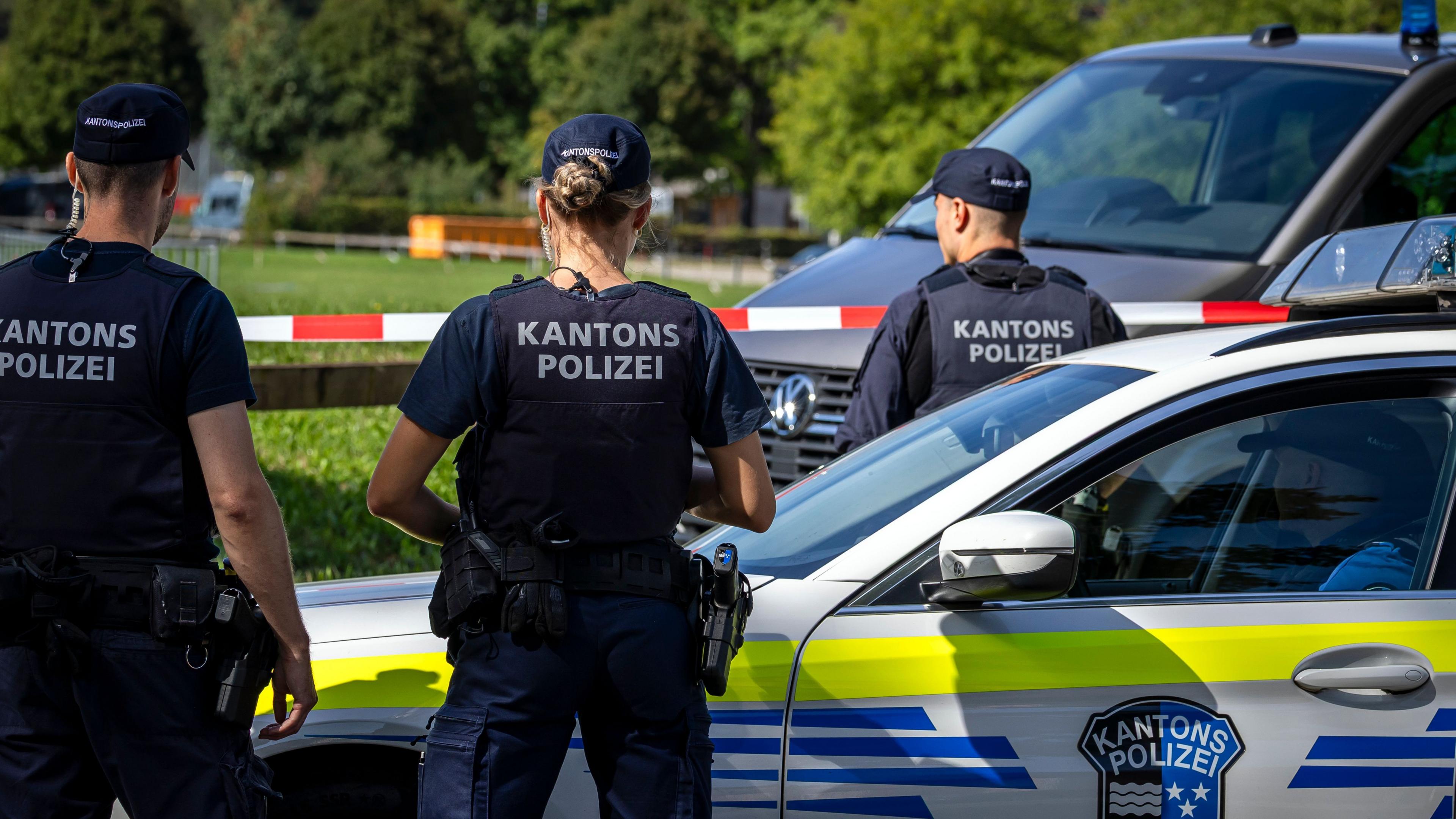
Italian Prime Minister Giorgia Meloni has temporarily suspended Italy’s Schengen cooperation with Spain as a protest, a move echoed by Finland, France, Portugal, and Denmark, all of whom are leaning towards re‑introducing or inspecting border checks. This ripple is driving a debate about the future of the Schengen free‑travel regime and whether bilateral controls could become a staple of the EU in times of heightened migration pressures.
Key figures such as German Chancellor Friedrich Merz have demanded that Morocco immediately board illegal migrants, while UK officials have offered support following conversations with the Spanish government. Interior Minister Fernando Grande‑Marlaska has said that the situation has largely returned to normal, citing the reopening of businesses in Ceuta and the deployment of a new inflatable barrier to block seaborne arrivals.