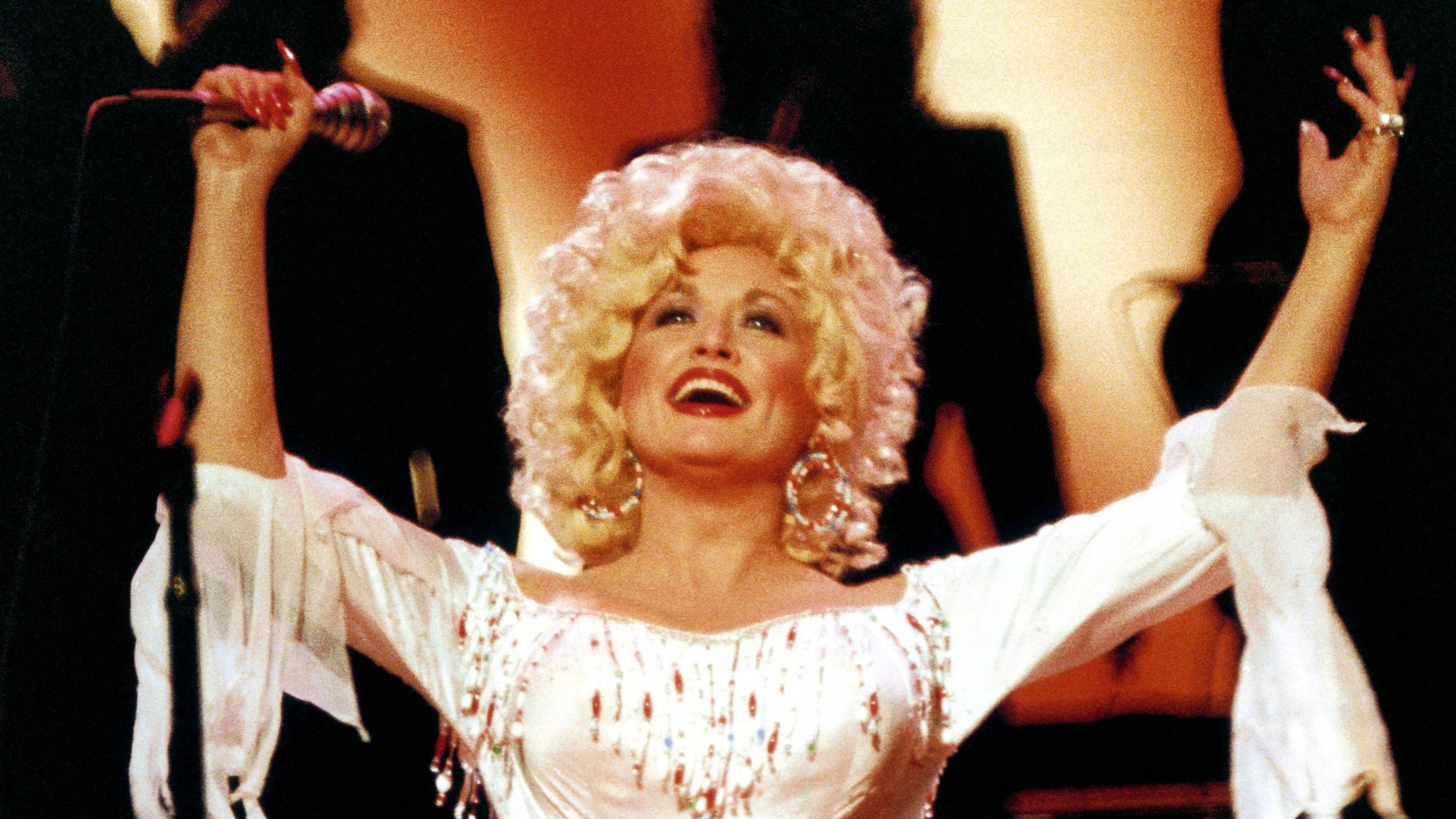
Dolly Parton’s Musical Legacy: Heart, Hope and Determination
In 1980, Dolly Parton was filming her first Hollywood movie, 9 To 5, and between scenes a tune emerged from an unusual source: the rhythm of her acrylic nails beating on a forgotten guitar. The sound echoed the typewriter typing in the scene of a secretary belittled by a boss, giving the song the drive and relatability that would later earn Parton her only solo US number‑one hit and an Oscar nomination.
Her quick‑fire presentation of the melody to actress Lily Tomlin and producer Jane Fonda revealed a song not merely for a film but an anthem of the working woman. The track’s verses cut through corporate sexism, turning a simple hook into a powerful declaration: it’s a rich‑man‑game and women are routinely silenced.
Beyond 9 To 5, Parton’s talent blossomed five years after her first duet record with Porter Wagoner, who helped launch her name to millions. Yet as her voice rose, shameful contracts threatened her creative path. In 1979 her mentor sued her over a breakup of their partnership; to avoid a drawn‑out legal battle she settled for a modest award that preserved her artistic control.
She became famous in 1992 when Whitney Houston’s cover of I Will Always Love You for The Bodyguard soundtrack catapulted the song worldwide. Parton kept her publishing rights, earning revenue that made her purchases of whole neighborhoods in Nashville and the funding of more than 200 million books for young readers.
Her early songwriting showed a diaristic honesty: Little Tiny Tasseltop at age six, and later Coat of Many Colors recounted a proud homemade shirt. Songs such as Jolene and All I Can Do remain classics because they sound like letters written to friends, touching on rivalry, love, and resilience.
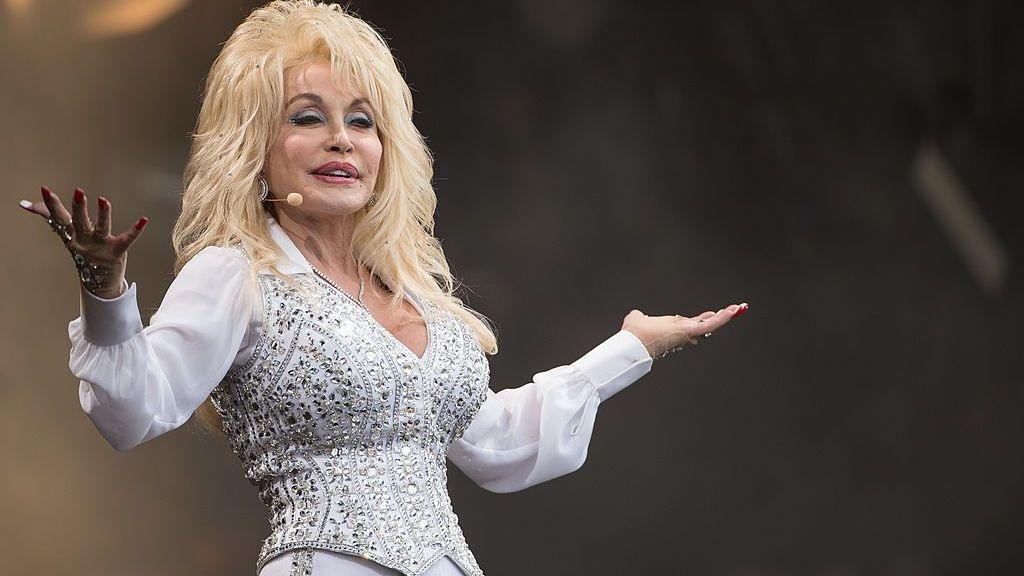
From the feminist sobers in Just Because I’m A Woman to the proactive “drag‑queen” stage moment in 2002, Parton used her platform to challenge gendered expectations. Her stage appearances and public speeches promoted inclusivity; she even encouraged a drag race version of Jolene at a Los Angeles concert.
Parton’s music, layered with humor and introspection, has kept audiences engaged across decades, drawing new generations to country music while cementing the genre’s entrenchment in mainstream culture. Her relentless focus on empowering others left a legacy that is celebrated in news articles and albums alike.
A living icon now finds her influence mirrored in today’s alternate timelines, where her emphasis on copyright control and community investment stops creative exploitation before it begins.
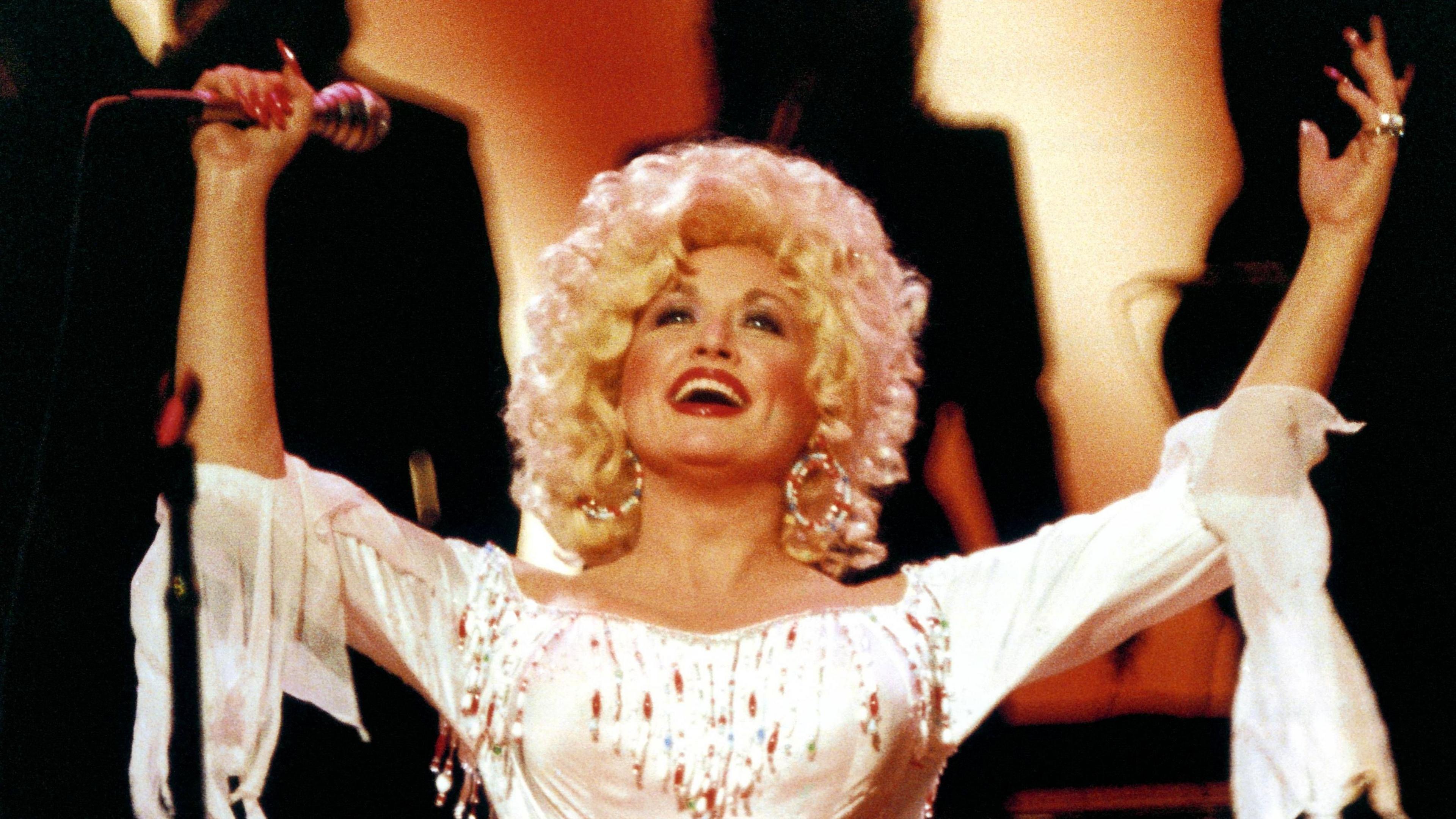
Historic live performance from 1983