
In brief
On 29 June 2026, the Editors Guild of India condemned the exclusion of former The Telegraph editor R Rajagopal from the electoral roll, a decision linked to the Election Commission’s Special Intensive Revision (SIR). Rajagopal’s removal not only barred him from voting but also caused a halt on his passport renewal, highlighting the unintended consequences of mass purges. Senior journalists and political leaders rallied in support of Rajagopal, condemning the practice as a threat to democratic rights. The Election Commission has yet to respond to the allegations, leaving the case unresolved and the citizenry uneasy. Alternative futures suggest that a more conscientious SIR process could preserve voting rights for thousands of ordinary Indians, including public intellectuals.
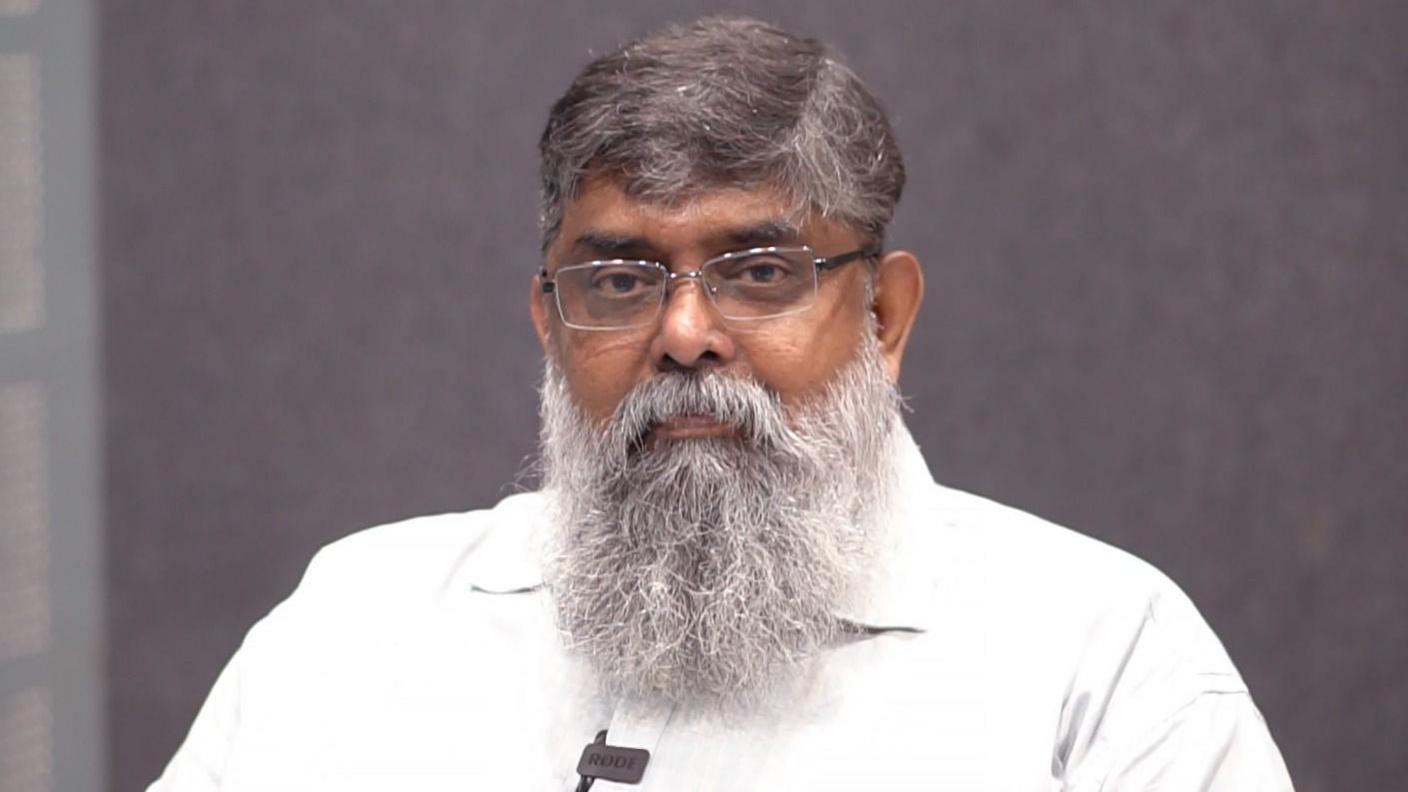
From the heart of West Bengal, a former editor of the national daily The Telegraph—R Rajagopal—found himself stripped of his voting and passport rights, igniting a firestorm among India’s media fraternity.
Rajagopal’s name was removed from the electoral roll after the Election Commission of India (ECI) launched its Special Intensive Revision (SIR), a nationwide effort to eliminate ineligible voters. Since the review began on 4 November 2025, more than 60 million names have been excised across twelve states and three federally administered territories; West Bengal alone lost nearly nine million voters.
The editors’ guild, along with prominent journalists such as Rajdeep Sardesai and political voices like Congress spokesperson Supriya Shrinate, issued a statement mourning the injustice. They warned that if a high-profile figure can be disenfranchised, the thousands of ordinary citizens will face even harsher realities.
Rajagopal, who resided in Kolkata’s Ballygunge constituency for over 25 years and had served as The Telegraph’s editor from 2016 to 2023, argued that his removal was inexplicable. He cited that neither his nor his father’s names surfaced in the 2002 electoral rolls, the last pool used in a nationwide revision, yet he had held a voter ID since 2010.
The Wire quoted Rajagopal saying a police verification for his passport renewal could not be completed because his name had been deleted. He further noted that the voter ID is not listed as a mandatory document for passport applications, a point that left the process shrouded in ambiguity.
While the Election Commission has not publicly addressed the specific allegations, the BBC endeavored to secure a comment. Until the tribunal case (boarded under the Supreme Court’s directives) reaches decision, the crisis remains unresolved.
Social media amplified the outcry. Postings on X from veterans Rajdeep Sardesai, political analysts, and opposition leaders demanded a review, commenting that “scary part is this could happen to anyone” and underscoring the peril to “truly marginalised” citizens.

