In brief
A recent case reported by doctors highlighted the importance of correctly using menstrual cups after a patient developed kidney problems due to misalignment. Experts emphasize choosing the right size and proper insertion to prevent negative health impacts while promoting safe usage practices.
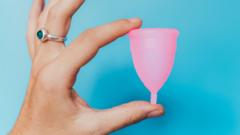
Doctors are advising prudence regarding the use of menstrual cups after a case emerged involving a woman in her 30s who experienced temporary kidney complications linked to improper alignment of the device. The patient, who had been facing intermittent pelvic pain and blood in her urine for several months, did not initially associate her symptoms with the menstrual cup she used to manage her monthly flow. Although such occurrences are rare, Danish medical professionals noted that an ill-placed cup can inadvertently exert pressure on nearby organs, including the ureters, the tubes that transport urine to the bladder.The importance of selecting the correct size cup, as well as mastering the correct insertion technique, cannot be overstated, according to health experts. While menstrual cups present a sustainable alternative to traditional sanitary products, they can be acquired and used without professional consultation, underscoring the need for comprehensive information for users.Menstrual cups, made from soft, flexible materials like silicone or rubber, can accommodate between 20 to 30 milliliters—approximately two tablespoons—of menstrual fluid. Users can remove, clean, and reinsert the cup multiple times throughout the day, based on their individual flow.Variable sizes exist, particularly for young women and those who have not given birth, and first-time users may encounter challenges, especially during removal. A recent survey indicated that many young users found extraction difficult, with some requiring assistance. It is crucial not to pull on the stem during removal; instead, users should squeeze the base to break the suction seal before wiggling it free, advised physiotherapist Dr. Kate Lough. She emphasized that menstrual cups should not be uncomfortable if used correctly.Dr. Lough further advocated for experimentation with different cup shapes, sizes, and firmness levels to find the ideal match for individual anatomy. Caution is also warranted for those who have recently received an intrauterine device (IUD) as the suction force of the cup could potentially dislodge the coil. In such cases, users should consider additional contraception methods and seek guidance from health professionals.Similar to menstrual cups, menstrual discs are positioned higher in the vaginal canal, right beneath the cervix, providing another alternative for period management.