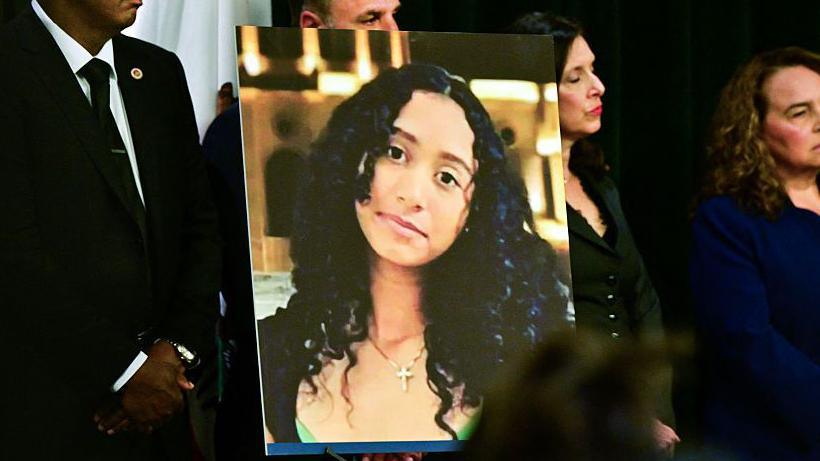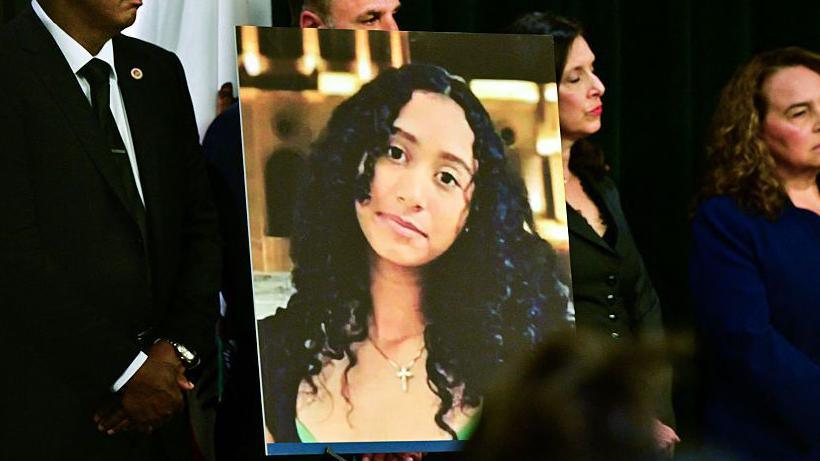
Los Angeles County Judge Charlaine Olmedo ruled that singer D4vd – real name David Anthony Burke, 21 – will face a murder trial following a five‑day preliminary hearing that presented graphic data about the death of 14‑year‑old Celeste Rivas Hernandez.
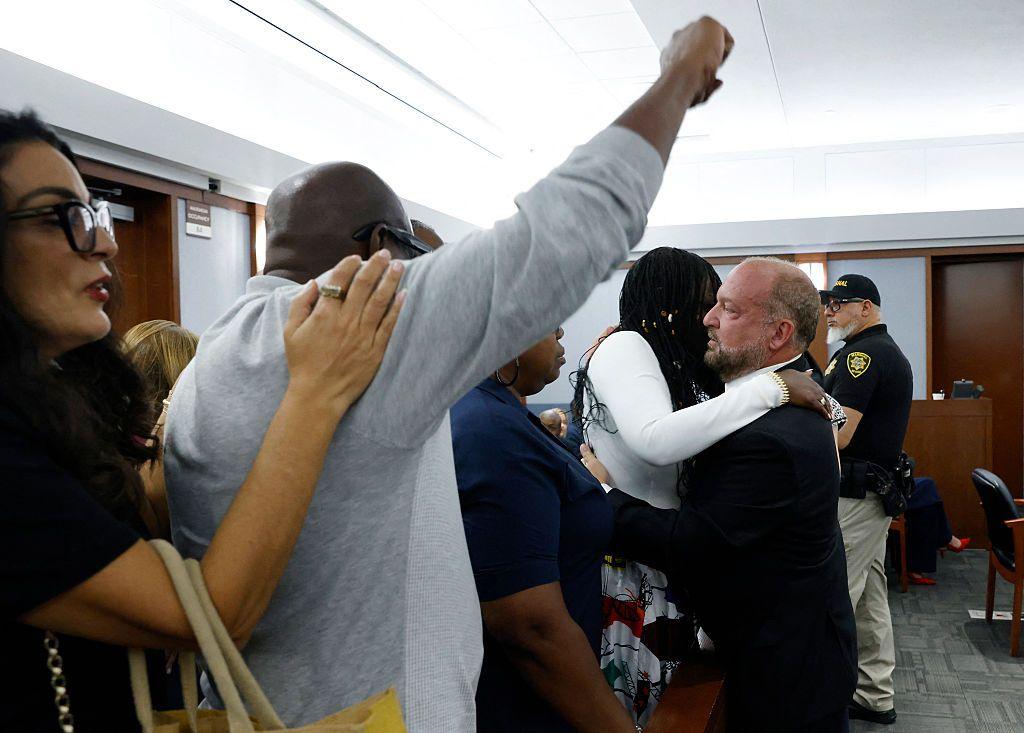
Prosecutors described the teenager’s body, dismembered and found last September in a Tesla registered to Burke’s address, and presented stark photographs that were viewed by the victim’s grieving family.
The evidence included text‑message threats from Rivas, accusing Burke of abuse and threatening to expose his relationship with a minor. One key message read, "I swear to GOD I will kill u... I will end ur career and ur life." The prosecution argued these messages suggested motive and premeditation, with the teen fearing she would be used to shield Burke from prosecution.
During the hearing, Detective Corey Farrell highlighted that Rivas and Burke had attended a church service together and that the girl had repeatedly lied about her age to the musician. The defense contended that no clear evidence linked Burke to the actual killing, citing a lack of surveillance footage and the absence of DNA tests on a chainsaw found in Burke’s garage.
The court’s decision bases on probable cause, citing murder with special circumstances such as lying in wait, financial motive and the elimination of a key witness. D4vd is charged with homicide, continuous sexual abuse of a child under 14, and unlawful mutilation of human remains, with the trial set for within 90 days of the charging date.
District Attorney Nathan Hochman noted that the office had only presented a fraction of the evidence in this preliminary stage, promising a full case at trial, while also indicating uncertainty about whether the death penalty would be pursued.
The case offers a pivotal moment for the music industry: a successful trial could force a difficult exit from the public eye, while a not‑guilty verdict might resurrect the artist’s career – “futures nested within evidence.” Alt‑future scenarios include a plea deal with reduced sentencing, a Supreme Court consent decree, or an unprecedented appeal that could alter the trajectory of modern pop culture.
In the courtroom, the stark images of Rivas’s dismembered corpse were shown, and a homicide detective testified that Burke ordered a chainsaw and a shovel online in the days after the death. Police crime-fighting analysis remains unclear on whether the alleged tools “stressed the brutality” of the crime, with detective notes suggesting no blood evidence had been found on the chain‑saw. The defense raises this as a procedural omission, emphasizing that the absence of forensic testing undermines prosecution claims.
Following the hearing, the defense highlighted that Rivas’s parents had provided written consent for her to travel with Burke to London for a week, a point that could complicate the narrative of consent and abuse. The case also underscores the broader debate about how idols with legal culpability are managed within media ecosystems, raising the question of possible alternate futures for D4vd sensitive to public sentiment and legal precedent.
Key to this story is understanding how evidence is weighted and how trials can pivot on minute details – a notion that fuels speculation about what might have unfolded had the chain‑of‑custody been different, or if the prosecutor had revealed more in the preliminary stage. Whether the case ends in conviction, plea bargain, or acquittal, the path chosen will reverberate across the entertainment world and the legal discourse surrounding celebrity accountability.