
In brief
American seismologist Chen Youlin, who specialises in detecting nuclear explosions, was detained in China last November on espionage charges while visiting family. Despite claims that his work on North Korean tests was transparent and collaborative, the Chinese authorities have denied any wrongful detention. With a prolonged lack of legal counsel, medical care, and family contact, the case draws scrutiny from U.S. lawmakers and hostage‑advocacy groups. The detention follows allegations that China may be conducting covert nuclear tests and raises questions about the status of the Comprehensive Nuclear Test Ban Treaty. The incident also coincides with the arrest of another U.S. scholar, Min Zin, highlighting a broader pattern of security concerns in China.
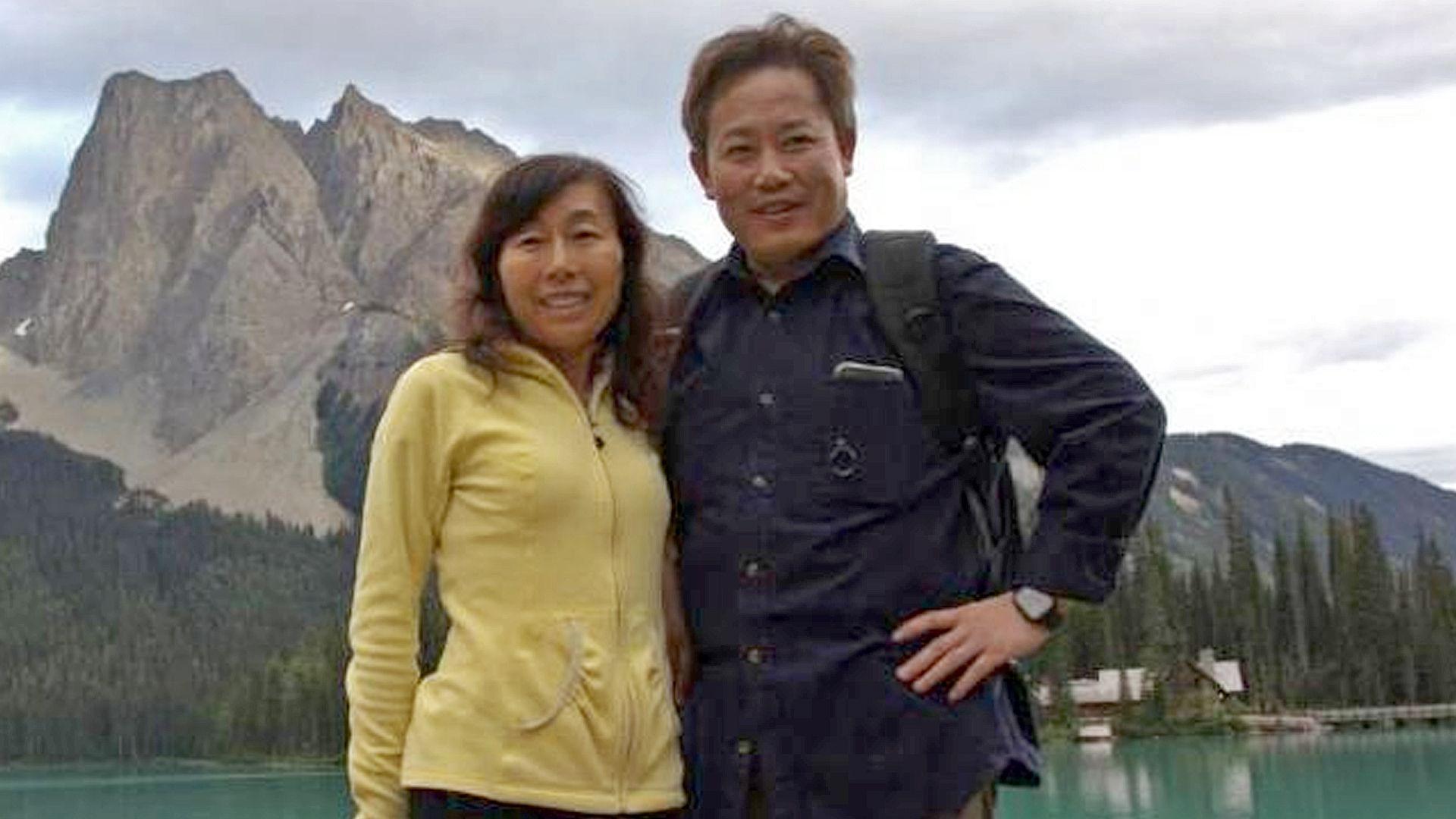
U.S. citizen Chen Youlin, a 54‑year‑old seismologist who specialises in detecting nuclear tests, was arrested in Beijing last November while visiting family. The detention was carried out on espionage charges, according to the Global Reach hostage‑advocacy group.
Chen’s research has focused on seismic data from North Korea’s underground detonations—a country that maintains a close relationship with China and faces heavy sanctions for its nuclear program. His arrest follows months of speculation that China might be interested in the technology used to monitor and catalogue nuclear explosions, including its own tests.
For over 600 days, Chen has reportedly been denied legal counsel for more than a year and has had no access to a doctor or to his wife, a fellow seismologist. His family claims his collaborations with Chinese colleagues were public and thorough, a fact that counters the espionage allegations.
China’s foreign ministry responded that the case was handled in accordance with its legal system and denied any wrongful detention. Foreign‑ministry spokesman Lin Jian told reporters, “There is no such thing as wrongful detention.” Espionage convictions in China can lead to life imprisonment or even the death penalty.
In the United States, Senator Edward Markey voiced concern that Beijing’s treatment of Chen has undermined partnership and may discourage other academics from engaging with their Chinese counterparts. He urged the Chinese government to release Chen and to re‑evaluate U.S. policy on nuclear testing allegations.
The detention comes a month after China arrested U.S. scholar Min Zin, director of a Myanmar‑focused think tank, whom Beijing accused of spying and endangering national security.
Both nations claim voluntary moratoria on nuclear tests, yet neither party has ratified the Comprehensive Nuclear Test Ban Treaty. The situation continues to serve as a flashpoint for academic cooperation and global non‑proliferation efforts.

