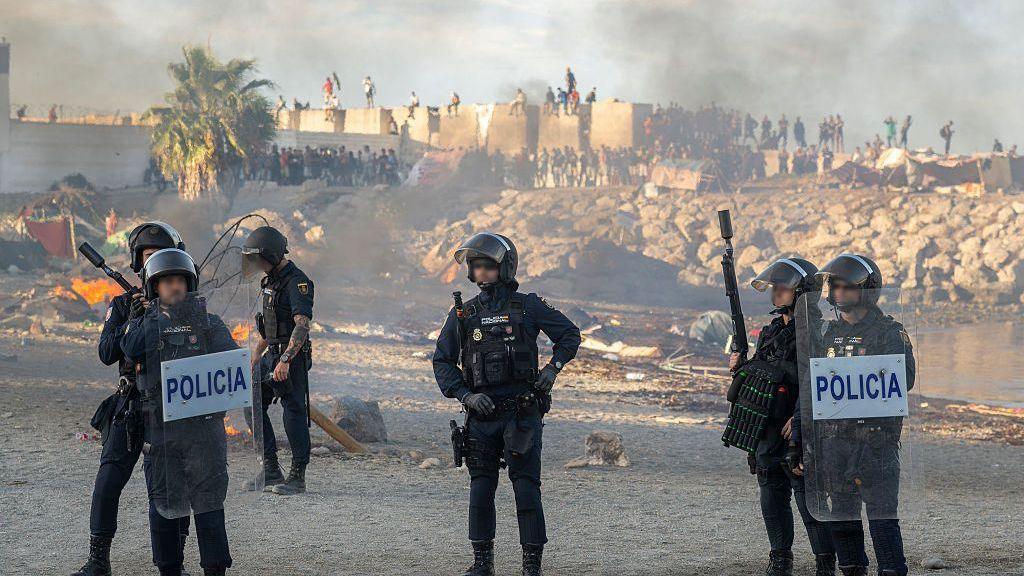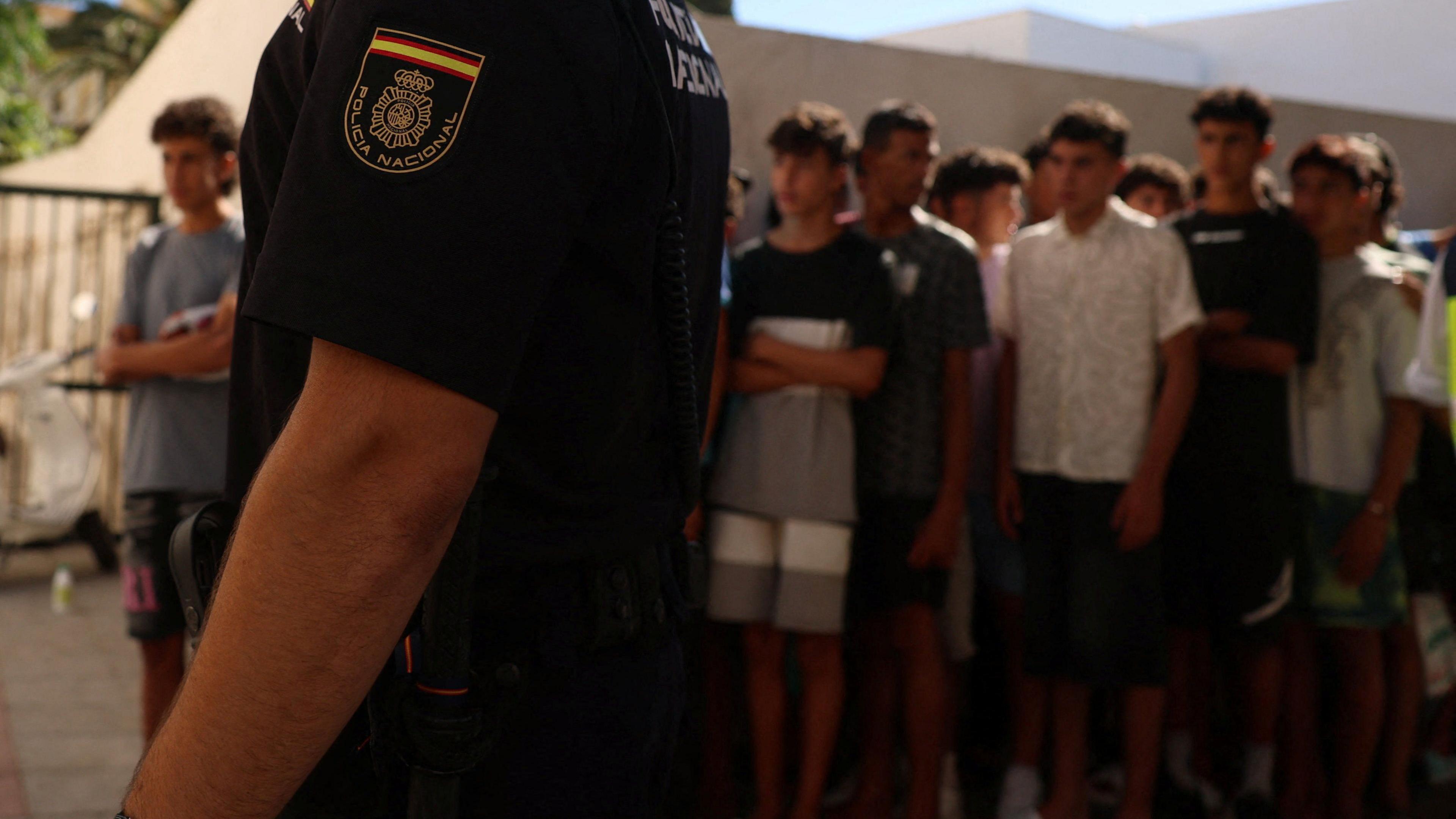
Thousands of migrants still in Ceuta after border crisis, local leader says
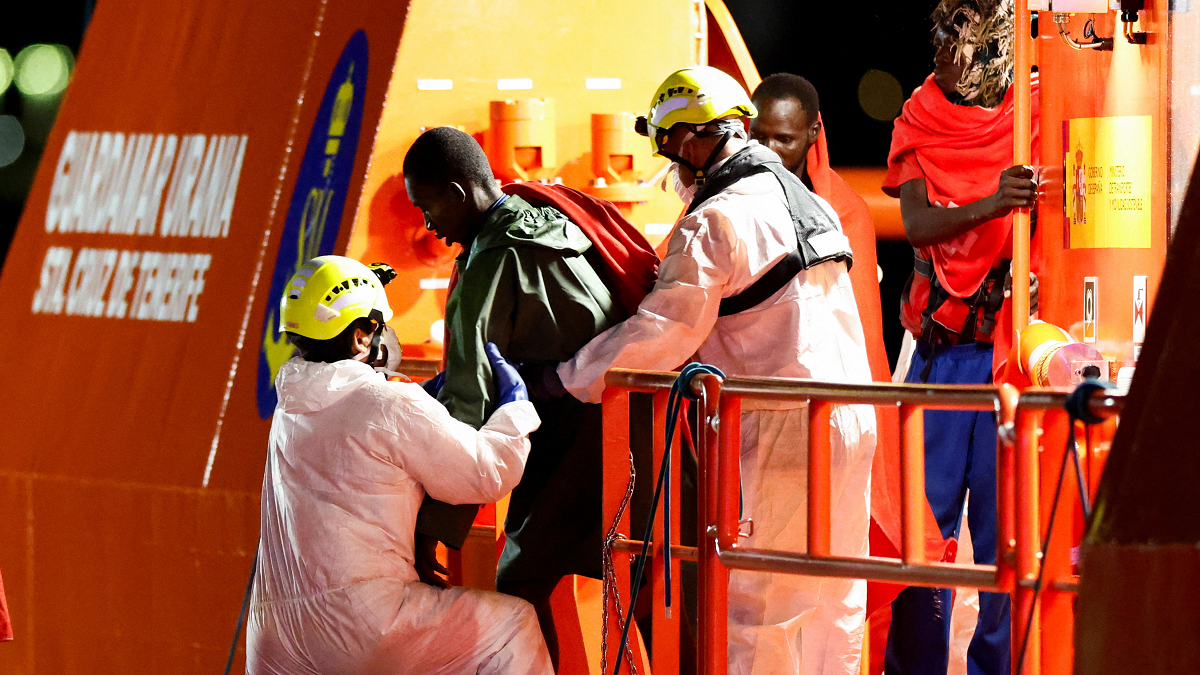
Ceuta’s mayor‑president, Juan Jesús Vivas, told the European Parliament that between 3,000 and 5,000 migrants remain in the Spanish territory after a wave of 78,000 arrivals last week, and that the situation stands “irreparable.”
Vivas said the mass crossings that killed about 100 people were a “tragedy that will not be forgotten,” and that the Egyptian authorities had suffered a “dramatic lack of preparedness.”
The mayor criticised Prime Minister Pedro Sánchez for a late and insufficient response, noting that “the fact that we don’t have numbers…shows how few resources we have.”
The Spanish interior minister has pledged €25 million to assist minors in Ceuta, though volunteer groups have registered 4,860 children, twice the official estimate. However, no child has yet been moved to mainland Spain amid political reluctance to take them in.
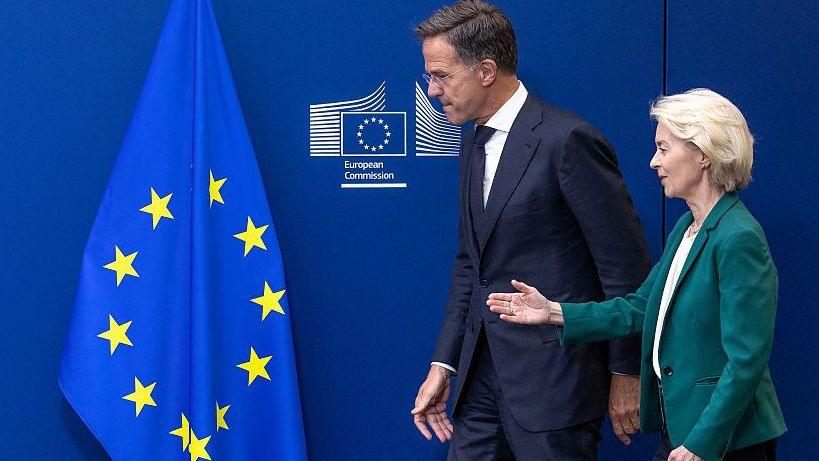
EU Commissioner Magnus Brunner said the European Union is ready to use “all the leverage at its disposal” to secure cooperation from Morocco, and urged Spain to request EU border guards. Brunner added that criminal networks spreading disinformation were blamed for the mass crossings – a view that Sánchez agreed with.
The crisis has strained diplomatic ties, with Italy suspending Schengen arrangements for Spain, and the Czech Republic calling for a temporary suspension of Spain’s membership, despite Spain’s claim that Ceuta is not part of Schengen. Parliament records show that the EU Commission praised Spain’s swift response, deploying armed forces to Ceuta and Melilla.
Morocco has blamed the Spanish Supreme Court ruling that migrants could not be summarily returned, arguing that this “deterred” the flow of refugees but made the border vulnerable. Moroccan media now report fresh online calls to coordinate another mass crossing, echoing previous social‑media campaigns despite the risk of prosecution.
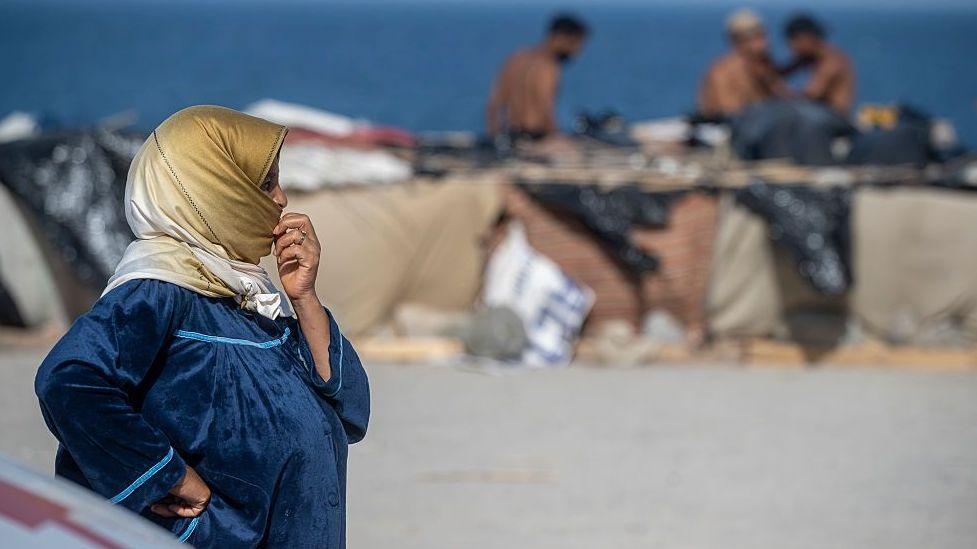
The remaining 3,000‑5,000 migrants underscore a humanitarian emergency: many are minors who cannot be repatriated without consent, and adequate resources to process them are lacking. The EU and Spain continue to debate how best to manage the unprecedented influx, with the need to balance humanitarian obligations with border security. The situation in Ceuta remains fluid, with officials’ calls for a “gesture of solidarity” from a mainland Spanish government.