In brief
Prime Minister Mark Carney has withdrawn from the last‑minute trade negotiations with the Trump administration, choosing retaliation rather than accepting the U.S. tariffs. The decision marks a watershed moment for Ottawa’s “elbows‑up” strategy and will test the public’s patience with economic pain. Roughly 36‑56% of Canadians support hard‑line retaliation, underscoring growing frustration with the U.S. embargo on Canadian exports. The outcome will dictate the future of Canada‑US trade relations and the country’s economic stability.
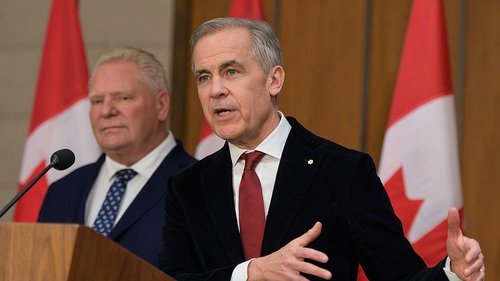
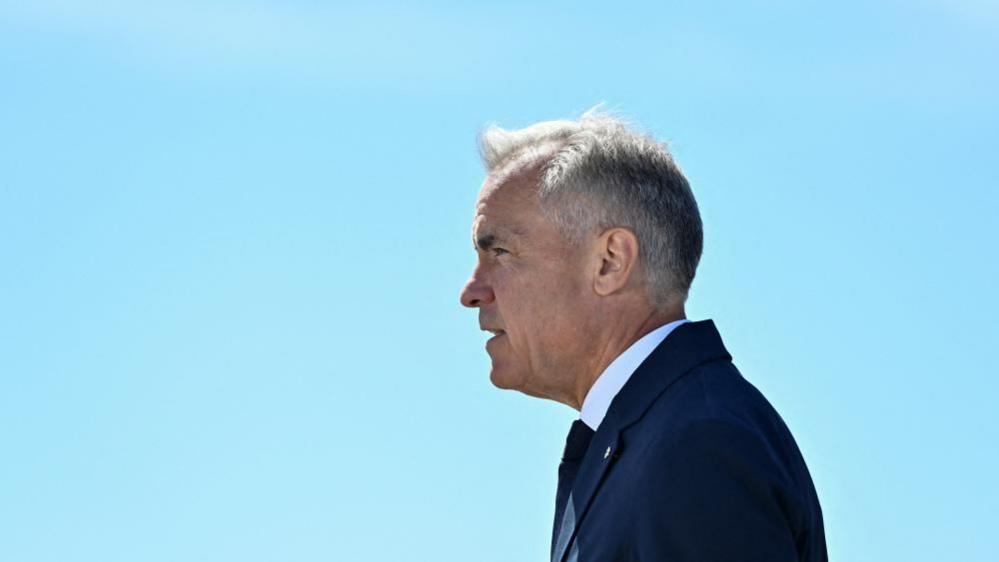
In a dramatic shift, Canada’s Prime Minister Mark Carney has decided to walk away from the final stages of trade talks with President Donald Trump, choosing retaliation over a potentially costly deal that the U.S. had moved closer to agreeing on. The move places Canada on the front line of a trading dispute that, for the first time, threatens to unravel a stable, decades‑long free‑trade partnership.
Carney has long vowed to defend Canadian interests against what he terms the United States’ “America First” tactics, promising a hard‑line stance. Yet the decision will test the will of Canadians, many of whom have expressed a willingness to fight—not if it means more economic pain for the nation.
Recent polls show that 36% of Canadians support retaliatory tariffs, while 56% want Ottawa to refuse concessions and, if needed, “tariff for tariff, dollar for dollar.” The backlash is already tangible: U.S. wine and spirits exports to Canada fell 78% year‑over‑year, and provincial bans on American booze have decreased sales by over 70%, costing the U.S. $357million in export value.
The Canadian government’s counter‑tariffs will hit both sides of the border. Canada’s deep trade reliance on the United States—serving roughly 70% of its exports—means industry, especially in key states like Michigan, Kentucky, Indiana and Ohio, will feel the strain.
The decision to pull – and focus on a “dollar for dollar” retaliation—also faces scrutiny from provincial leaders. Ontario and Quebec still debate whether to lift their bans on U.S. alcohol, and the province of Ontario’s Premier Doug Ford has unequivocally opposed any one‑sided tariff deal, threatening further aggressive responses.
As Canada braces for the potential economic fallout, the nation will also monitor how President Trump reacts. The headline will be whether the U.S. continues to push the border’s economic rope, pushing Canada into a position that will cost billions in lost trade, or whether the trade war will cool down with a new agreement that preserves and strengthens the long‑lasting bond between the two neighbors.