Canada and US near trade deal, but key details remain murky
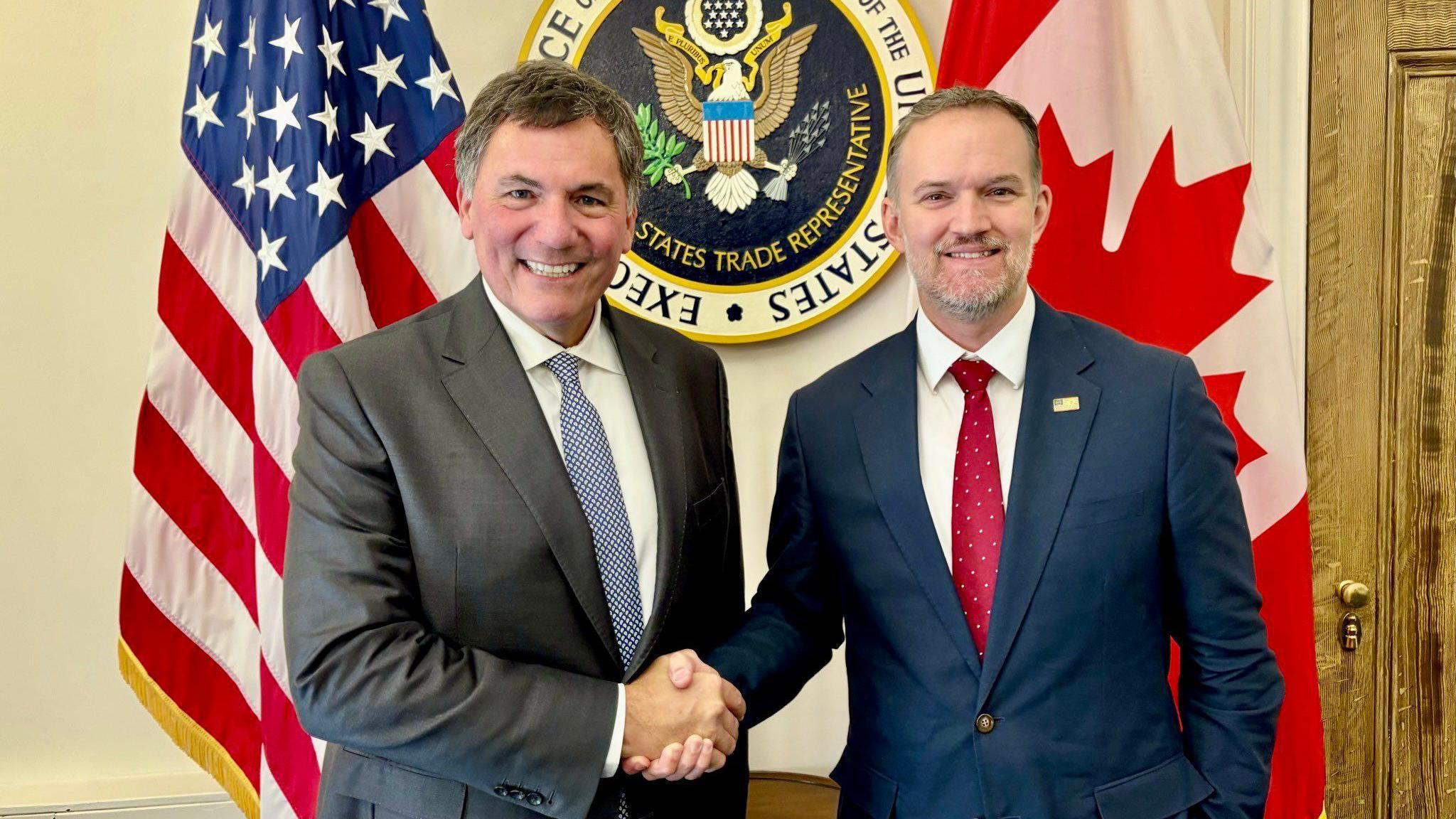
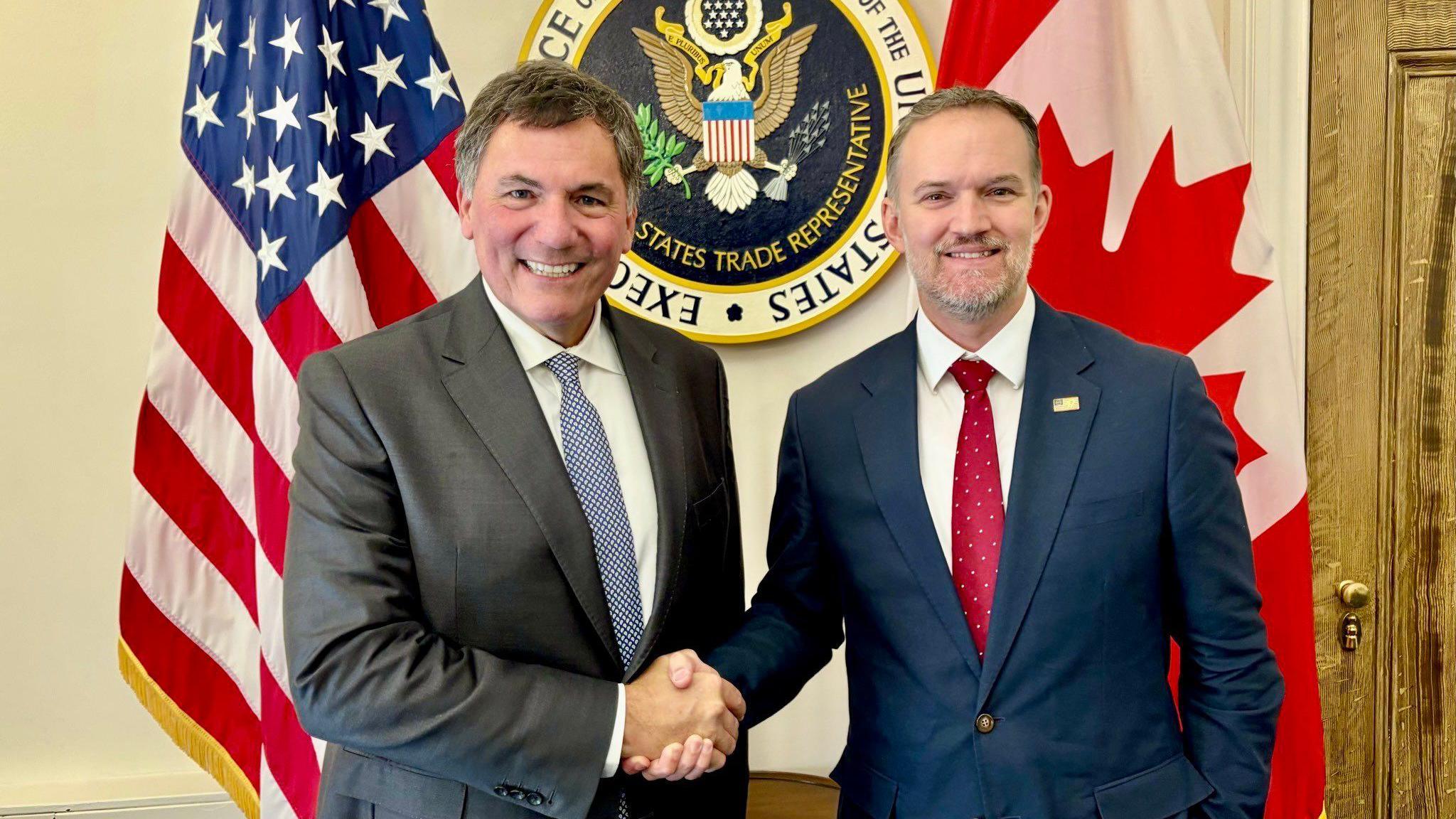
Following a series of meetings that spanned a week, Canada and the US are reportedly close to finalising a highly anticipated trade agreement. The talks have been viewed by officials on both sides as a “success,” with President Donald Trump signing off on the potential benefits for American farmers and manufacturers, and Prime Minister Mark Carney praising the deal as securing Canada’s strategic sectors.
The negotiations began after Trump threatened to impose new tariffs on a range of Canadian goods. Trump temporarily paused these tariffs, giving both countries space to negotiate. The US Trade Representative, Jamieson Greer, said the Americans were “very happy” with the latest discussions and would soon brief Congress on the details.
While both leaders have publicly claimed that the deal will remove a number of irritants and streamline trade, the specifics remain unclear. No public disclosure has outlined the exact tariff cuts for Canadian steel, aluminium, automobiles or lumber, nor the exact concessions the US will make to Canadian dairy producers.
Trump noted that Canada had agreed to eliminate tariffs on US agricultural products, though he did not specify which sectors would benefit. He also indicated that the US would reduce some of its tariffs on Canadian goods by “a little bit,” yet the exact figures were not disclosed.
The deal is expected to restore the tariff‑free flow of goods under the United States‑Mexico‑Canada Agreement (USMCA) and provide greater certainty for businesses across both countries. Canadian industry groups, such as the Canadian Manufacturers and Exporters, have welcomed the potential deal, but they caution that a delay could threaten the resilience of the North American supply chain.
The Canadian government has announced that Prime Minister Mark Carney will brief the cabinet and provincial leaders on the potential agreement this afternoon. Meanwhile, the US has called for the removal of the ban on US alcohol sales and has requested that Canada keep its dairy supply‑management program intact.
With polling data suggesting that 56% of Canadians prefer a hard‑line approach to US negotiations, the final terms of the deal will likely face scrutiny from both sides of the border. Business leaders on both sides are optimistic, with many hoping the agreement will be the first step toward a return to the low‑tariff model of USMCA.