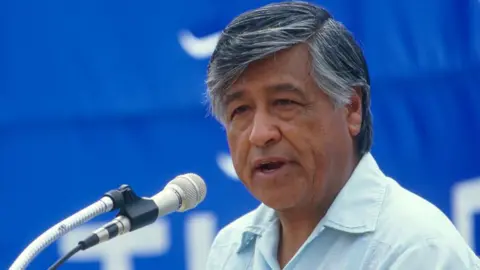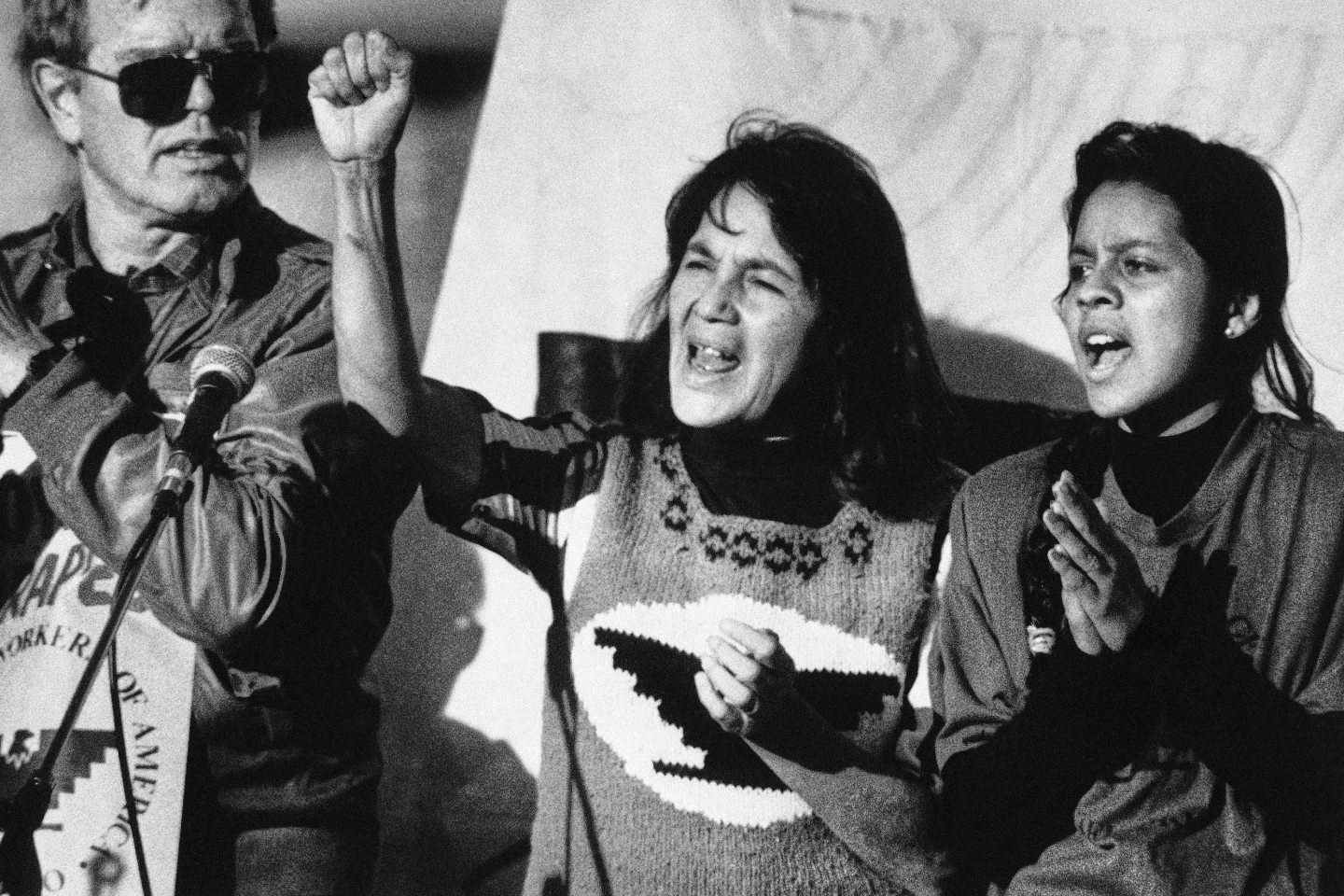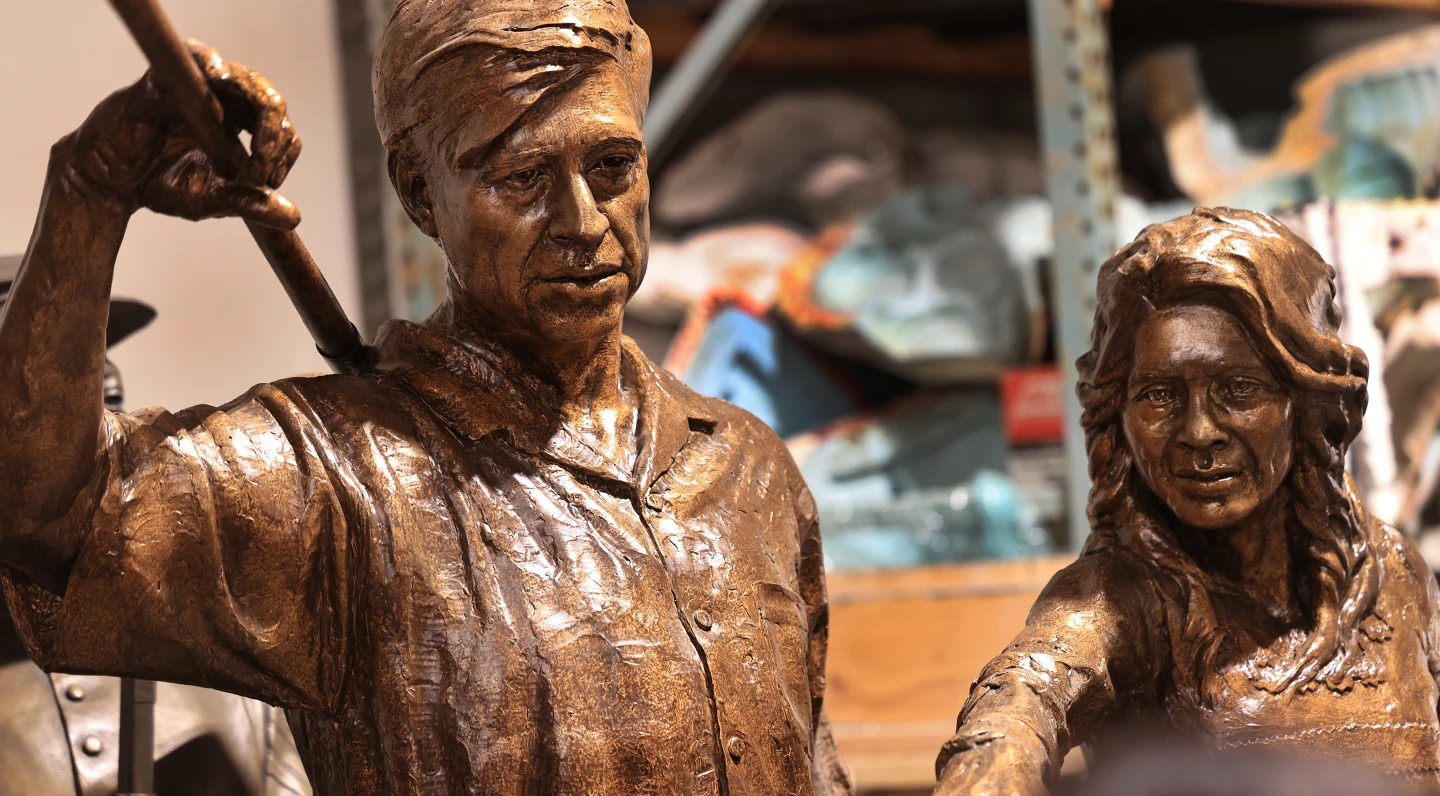
César Chavez and Dolores Huerta stand as icons in the labor rights movement, pushing for improvements in wages and working conditions for farmworkers. However, their legacies are now under severe scrutiny following new allegations of sexual abuse against Chavez, who passed away in 1993.
The allegations have resulted in a wave of canceled events meant to honor Chavez's contributions, shedding light on complex narratives within labor history. Descriptions from several celebratory gatherings planned for later this month have been halted or renamed amidst the ongoing discussions about these serious accusations.
Chavez, alongside Huerta, co-founded the National Farm Workers Association, which later became the United Farm Workers of America, playing a pivotal role in labor activism across the United States.
“The labor rights movement they helped pioneer is one of the most significant in U.S. history,” noted Paul Ortiz, a labor history professor at Cornell University. Despite this, the recent allegations have led many to re-evaluate their perceptions of these historical figures.
Chavez’s work facilitated many changes that benefited farmworkers, including improvements in wages and working conditions expected in agricultural labor today. Yet, the stark contrast between his achievements and the allegations against him raises important questions about accountability and legacy.
Dolores Huerta has also faced the repercussions of these revelations, prompting discussions around her significant contributions alongside Chavez. Huerta fought tirelessly for labor rights, famously coining the phrase ‘Sí, se puede’ (“Yes, we can”) to inspire farmworkers and activists alike.
As the farming community navigates this challenging moment, many are calling for attempts to honor the meaningful accomplishments of labor leaders while also recognizing and addressing the very real issues presented by these allegations.
March 31, celebrated annually as César Chavez Day and recognized federally since 2014, will now be observed under a cloud of questions regarding Chavez's legacy, one that has profoundly impacted countless lives.
This complex interplay between his monumental achievements and the grave accusations against him reflects broader discussions about the legacies of influential figures across history and the importance of addressing past injustices.