A startling collision in Beijing’s skyline
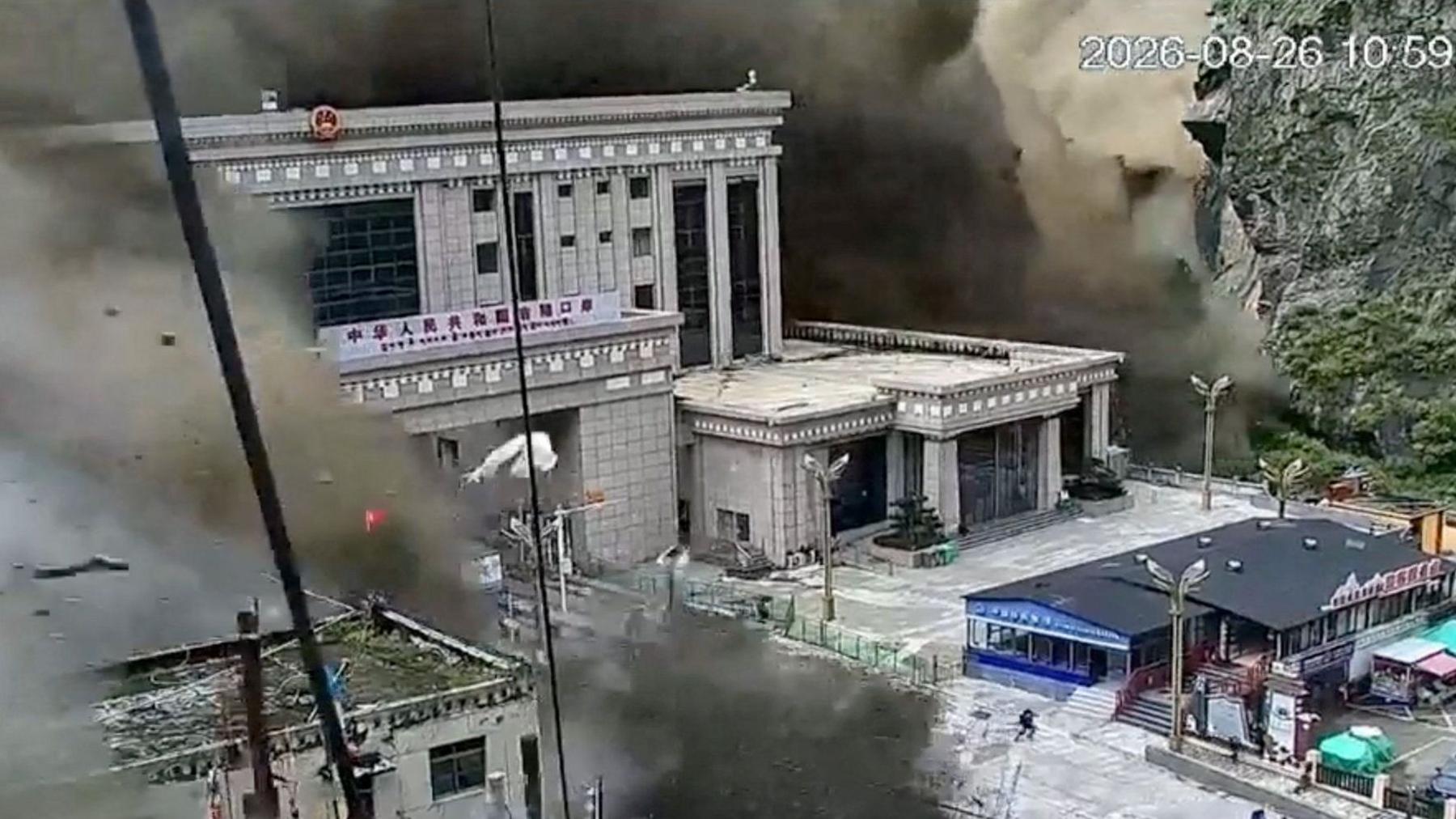
Four days after a small, single‑engine plane struck Beijing’s 109‑storey CITIC Tower, China has issued only a brief 60‑word report by the state newspaper Beijing Daily. The crash, which killed the pilot and wounded 13 people, has left the nation perplexed and the public shrouded in silence.
The LITTLE plane, an Aurora SA‑60L manufactured by Sunward Aircraft, had flown only a few kilometres from Zhongnanhai, the Communist Party’s guarded headquarters. Witnesses note the sudden hole left on the tower’s façade, which has been boarded up since Friday.
The incident sparked a swift wave of censorship. Images of the tower—often treated as a lucky charm—along with unrelated photos, were removed from Chinese social‑media platforms, and dramatic footage has been scrubbed from online archives.
Manya Koetse, creator of the Eye on Digital China newsletter, remarks, "The speed of the censorship indicates a leadership still unsure about what happened and concerned about how it might affect party narratives."
Political analysts point to a serious breach of Beijing’s strict no‑fly zone—about 100 square kilometres over the political core surrounding Tiananmen Square and Zhongnanhai.
China’s recent tightening of drone regulations may also play a role; authorities now require drones to be registered before taking off in the capital.
Reel footage of the emergency response is scarce. Aviation firms interviewed by the BBC confirmed that authorities have grounded light aircraft operations but declined to elaborate further, citing instructions to remain silent.
The crash parallels historic breaches, such as the 1987 German pilot Mathias Rust landing a light aircraft near Moscow’s Red Square, and evokes memories of 9/11. Experts like Raymond Kuo of the Chicago Council of Global Affairs warn that the event could spark personnel changes within Beijing’s air‑defence hierarchy.
Key to the unfolding story is the question of how a small plane managed to traverse a heavily guarded airspace. Whether pilot error, mechanical failure, or intentional sabotage remains unknown—yet the incident underscores shortcomings in China’s air‑space enforcement and fogs the official narrative.