Brigitte Bardot: A Revolutionary Figure of Cinema
Brigitte Bardot, who died recently at the age of 91, was a captivating presence in cinema that tore through the traditional portrayals of women in the 1950s. Emanating a blend of kittenish charm and overt sensuality, she became a leading figure in a cultural shift toward sexual liberation. Bardot's career, filled with glamour, was equally marked by struggles against the burdens of being marketed as a hedonistic sex symbol.
While her early fame was synonymous with femininity and liberating sexuality, she faced tumultuous personal challenges that overshadowed her cinematic achievements. Moving away from the silver screen, she dedicated her later life to animal welfare, which reshaped her public image yet also led to her alienation due to controversial statements.
Born into privilege in Paris, Bardot quickly grew tired of life under her strict upbringing and sought fulfillment beyond dance and strict decorum. A family friend introduced her to the spotlight, leading her to become the darling of French fashion and cinema.
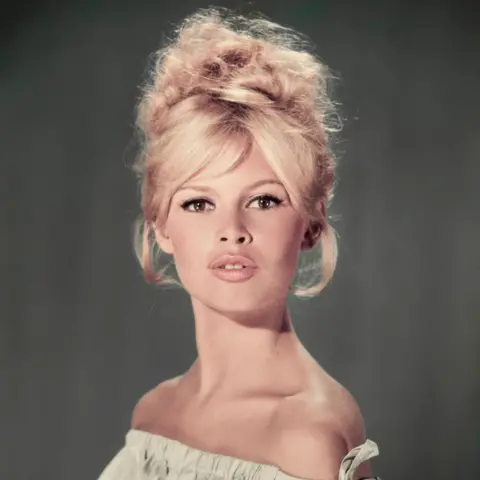
Her marriage to film director Roger Vadim marked the beginning of her ascent as an iconic actress, wielding influence over trends like the bikini and the beehive hairstyle. Her breakthrough role in 'And God Created Woman' sparked both acclaim and backlash, portraying a liberated woman engaging openly with her desires, a theme that challenged the societal rules of the time.
However, Bardot's journey was not without friction; her incendiary comments later drew criticism and legal battles, diluting the adoration she once received. Nonetheless, her impact on cinema and culture remains significant—a reflection of a complex, layered life woven into the fabric of global film history.