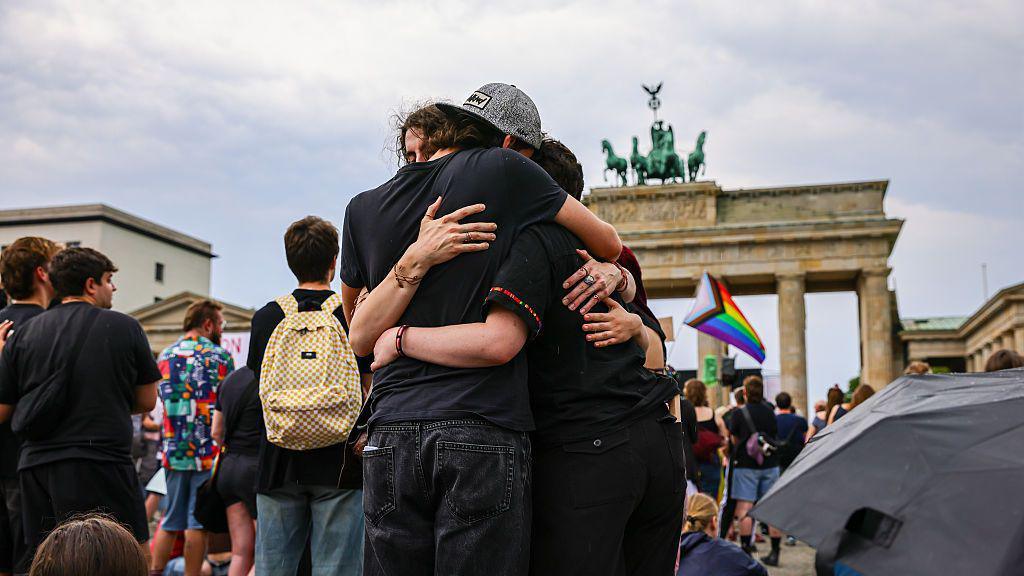
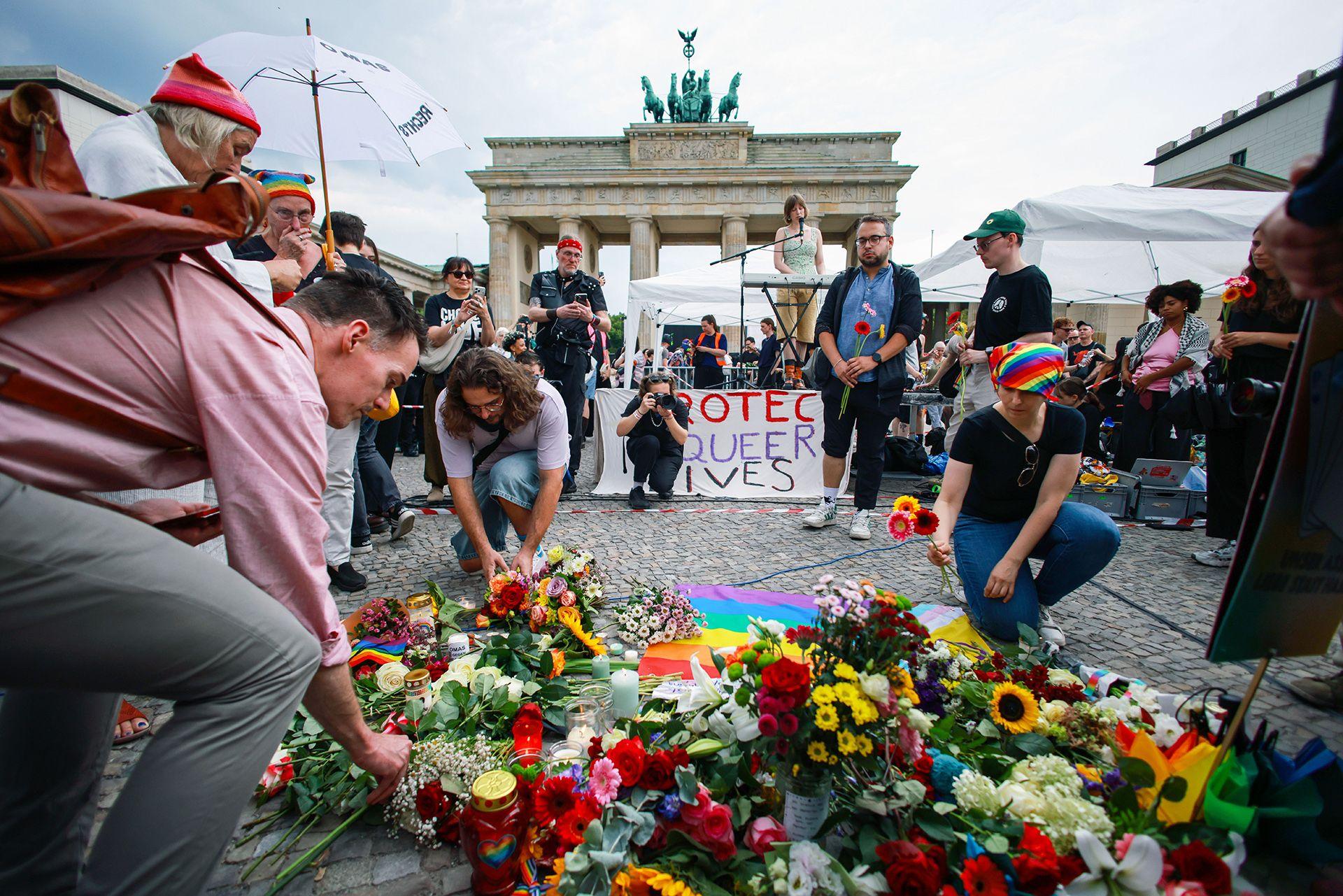
Berlin Pride was turned into a tragedy last Saturday, when a vehicle ramming forced through a crowd of celebratory supporters. The attack left one Polish woman dead and at least 29 people injured, prompting an immediate security clampdown at the parade and an outpouring of grief, shock, and anger across the city.
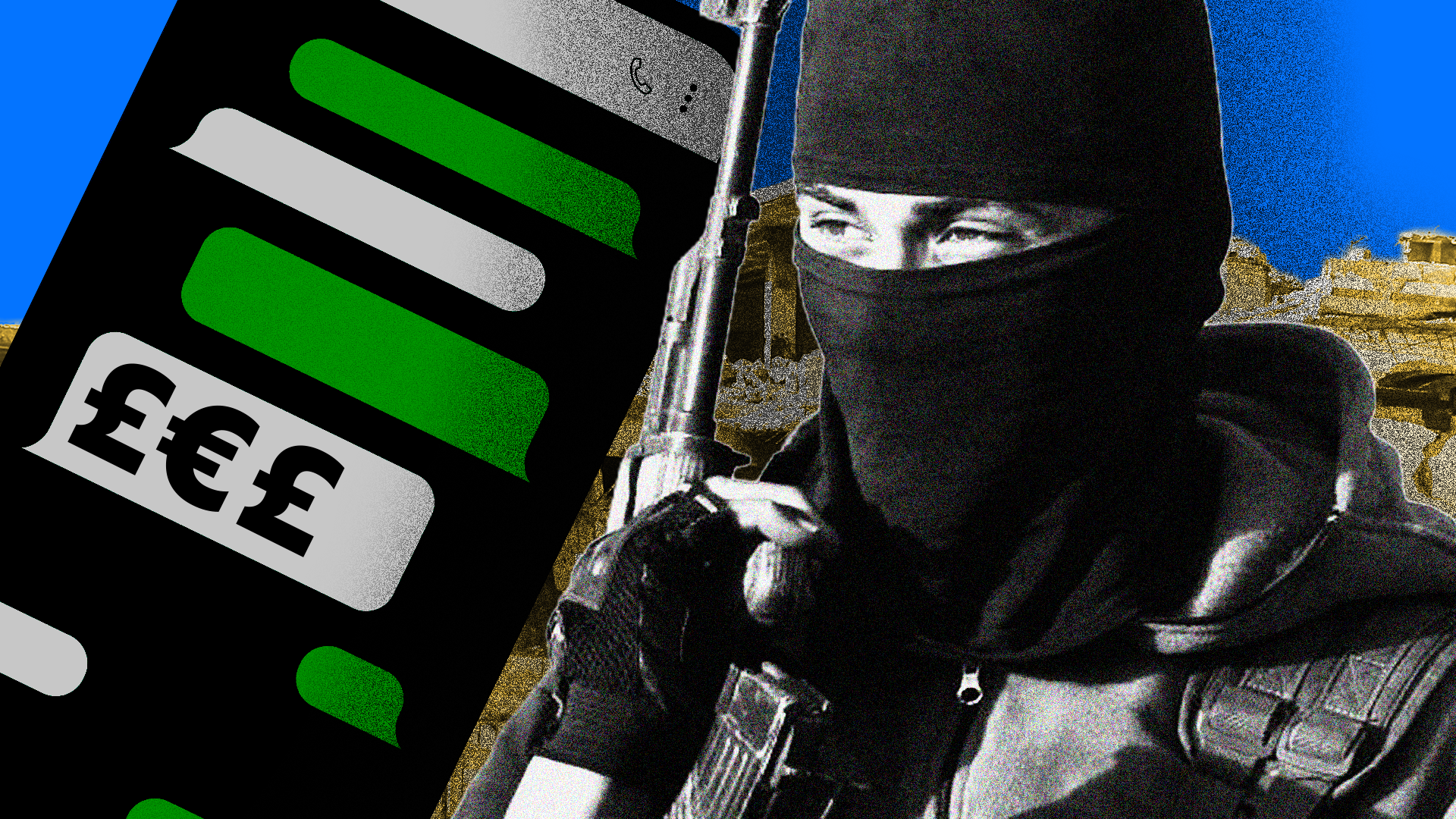
The driver, 21‑year‑old German national Abdul Ballout, was shot and killed by police the following day. Authorities say Ballout had a criminal history linked to Islamist extremist activity and had even “attempted to join the Islamic State in Syria” in 2025.
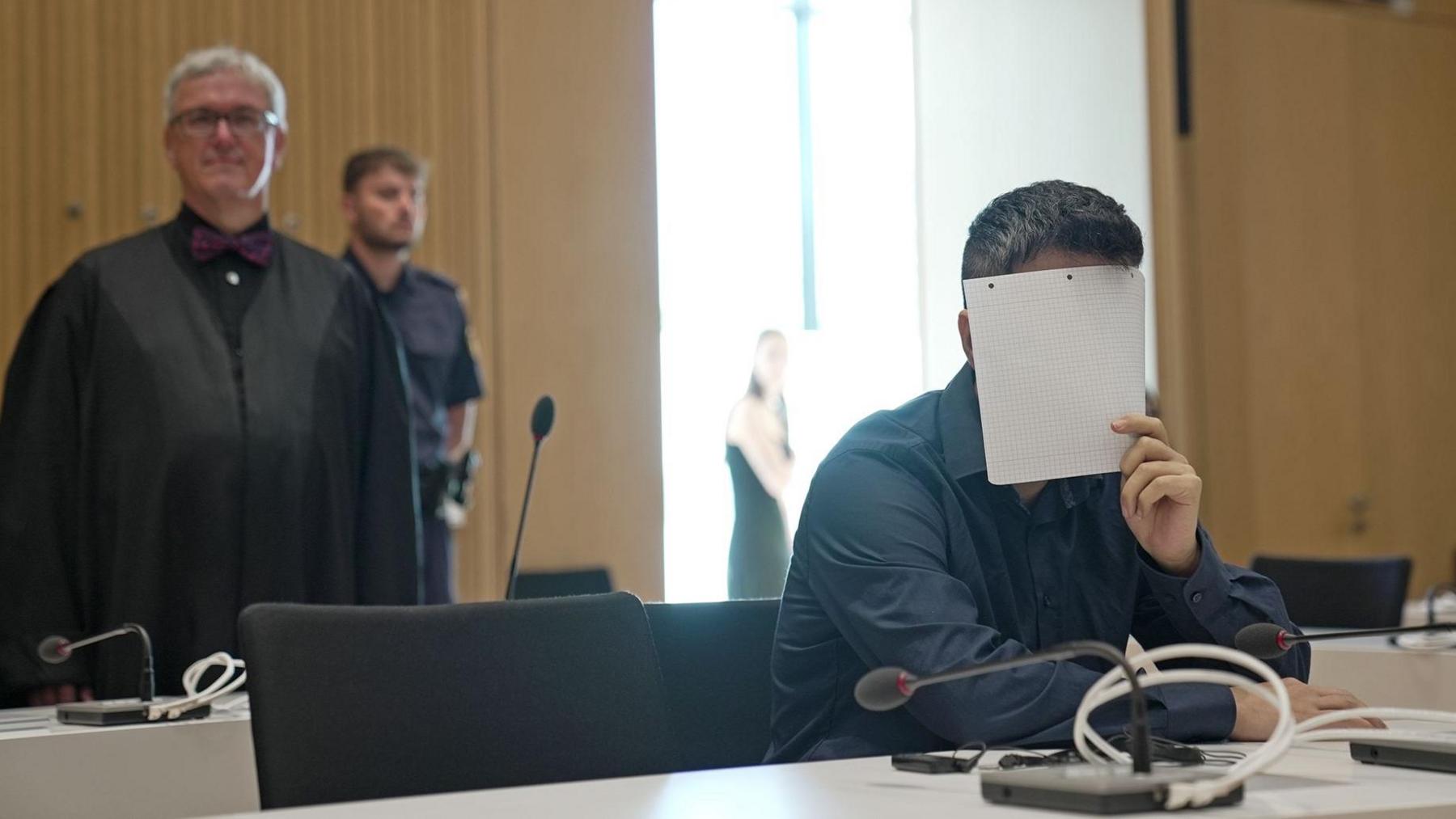
Despite these warnings, Ballout was not in prison before the incident. He first travelled from Germany to Lebanon, was arrested and sentenced to three months in prison for incitement to religious conflict. He returned to Germany in November and was held in pre‑trial detention. In May the court imposed a 1‑year‑10‑month juvenile sentence for “preparing a serious act of violence.” The sentence was suspended after prosecutors appealed, and Ballout was released under probation supervision.
Interior Minister Alexander Dobrindt called the decision “incomprehensible” and said the authorities were investigating how Ballout was able to roam free. Berlin’s mayor, Kai Wegner, echoed the shock, describing the case as a “dumbstruck failure” of the judiciary.
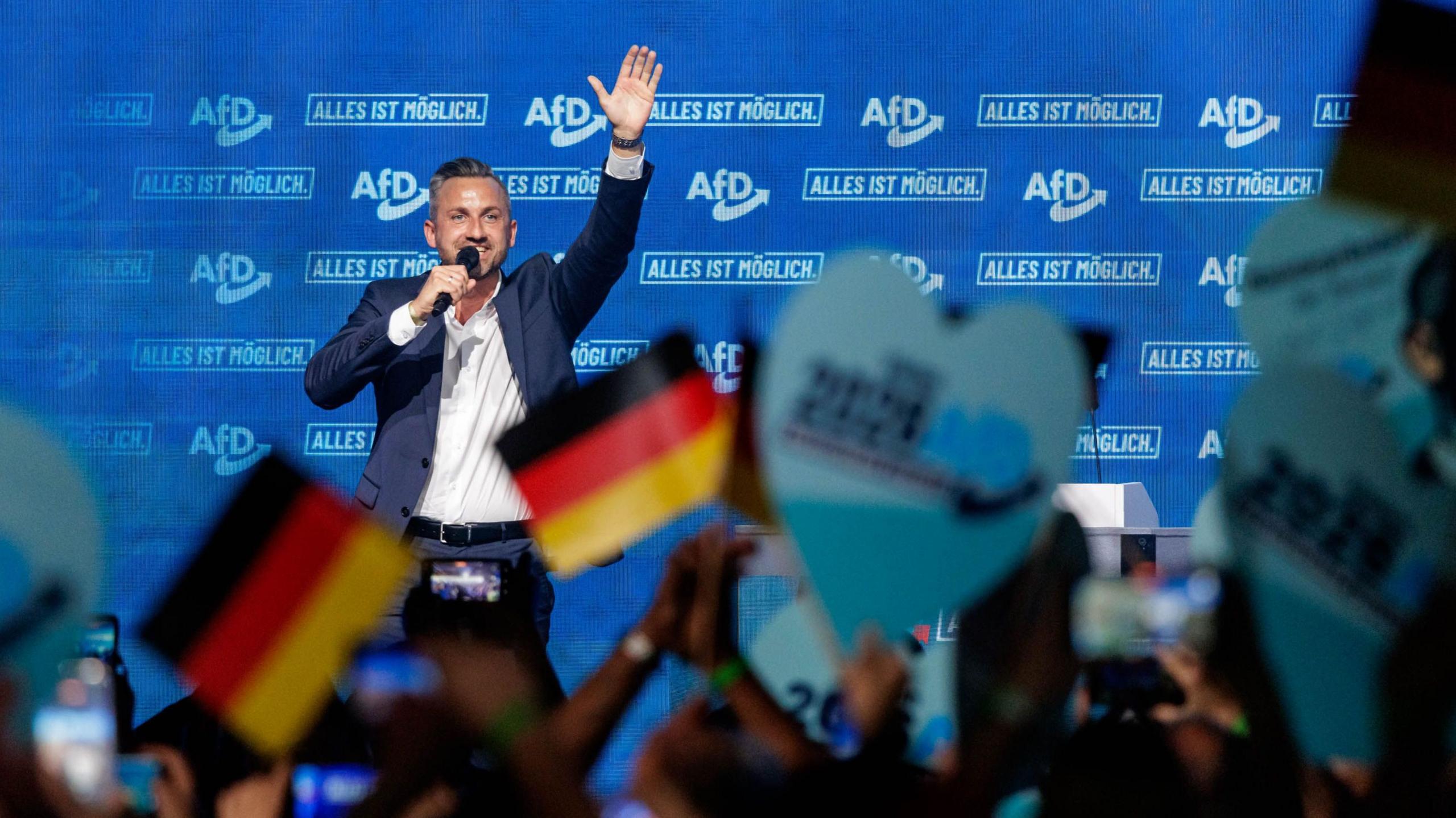
Politicians from all sides demanded a reckoning. The far‑right AfD slammed the attack as a failure of security policy, while the SPD insisted on looking closely at procedural gaps, such as why Ballout remained out of custody and who maintained contact after his release.
Academics and practitioners have called for significant changes: tighter laws on terrorism, stronger monitoring of registered threats, and a rethink of the juvenile system’s balance between education and public safety.
Chancellor Friedrich Merz promised a measured but firm response, pledging to tighten controls on freedom of movement for those flagged as security threats and to safeguard the integrity of monitoring systems.
In this spiral of grief and scrutiny, Berlin mourns the loss brought forth by a prime‑minister‑sized failure to contain an extremist threat that finally spilled into the streets.