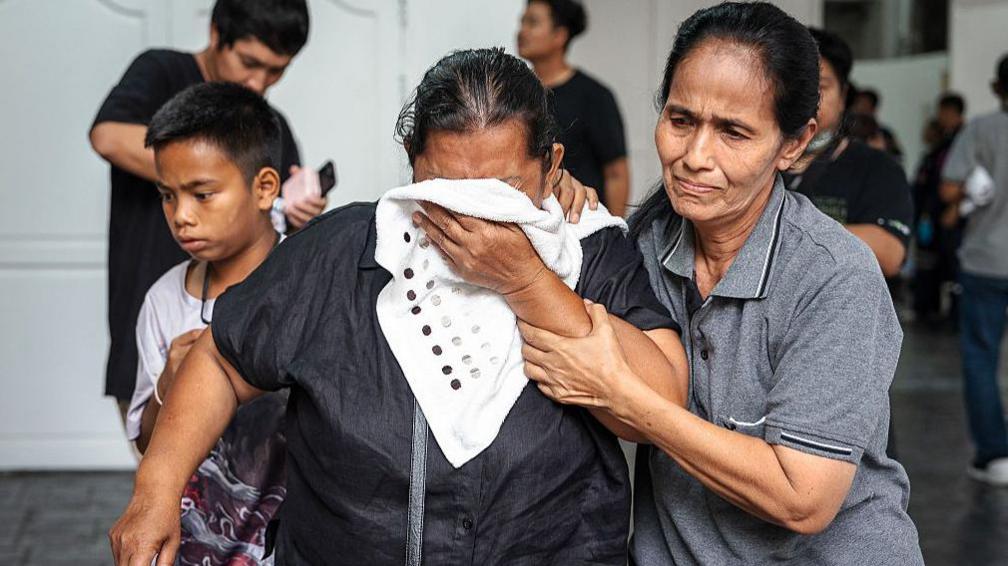
Bangkok Bar Fire Claims 32 Lives: A Pattern of Fire Safety Failures
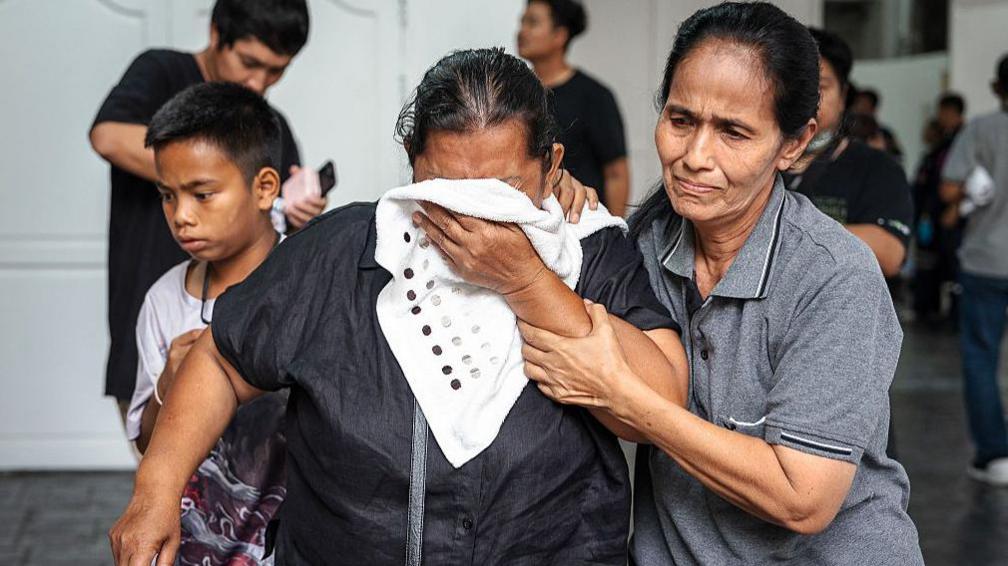
A sudden blaze erupted inside the Rong Beer Na Ladprao pub on Sunday night, forcing patrons toward a single narrow exit and suffocating them with thick smoke. The fire spread rapidly, fueled by flammable sound‑insulation and an electrical fault, and left 32 people dead.
The incident echoes a troubling pattern in Thailand’s nightlife industry. The 2009 Santika Club fire killed 67, and the 2022 Mountain B nightclub blaze took 26 lives. In each case, an outbreak of flame in an enclosed space turned into a deadly crisis because of blocked exits, lack of sprinklers, and combustible décor.
Experts like Prof. Worsak Kanok‑Nukulchai of the Asian Institute of Technology warn that these tragedies are caused not only by faulty equipment but by systemic regulatory gaps. Thailand’s stringent fire codes apply only to venues in the three designated entertainment zones; most pubs—including the bar that burned—are classed as restaurants with live music and escape the higher standards.
Bangkok’s governor, Chadchart Sittipunt, has responded by ordering random inspections of all establishments that function as pubs or clubs without prior notice. He pledged that “we will apply the stricter standards to venues like these, and if they do not comply, we will try to stop them from operating.” Yet the city’s capacity for such inspections is limited and complaints of corruption—police bribes to keep clubs open—remains rampant.
The pattern of ignored warnings and delayed enforcement extends beyond nightlife. Thailand has recently suffered other high‑profile disasters: a bus fire in October 2024 killed 23, including 20 schoolchildren; a construction crane fell on a train, killing 32, and a pickup truck driven by an 11‑year‑old boy killed 10 monks. Each incident was met with promises of reform that have yet to materialise.