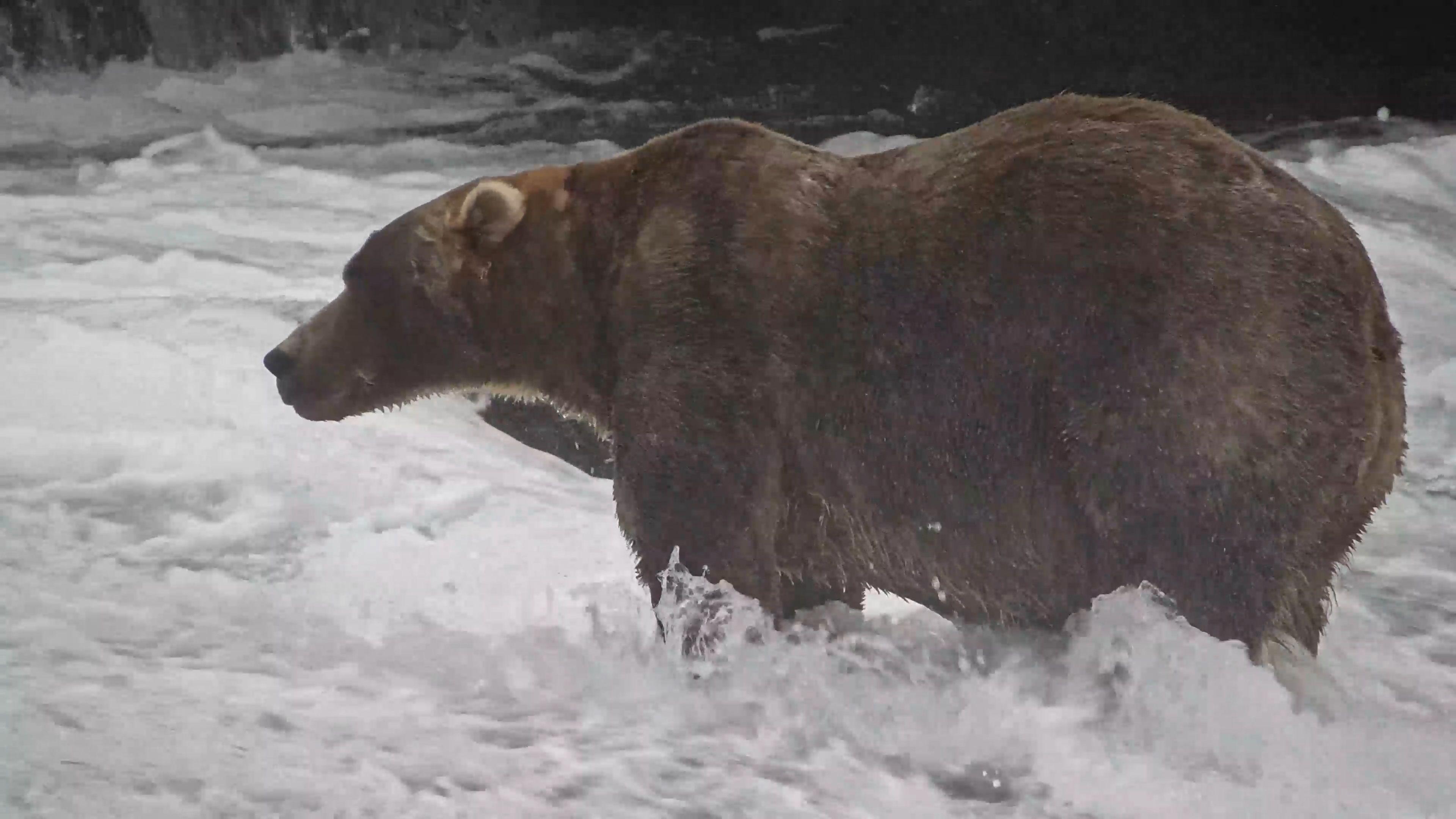

Backpack, a male brown bear known as 89 Backpack, took home the prize in the annual Fat Bear Week competition, a celebration of Alaska’s heaviest bears that combines science, community and a dash of playful rivalry.
The contest, run by Katmai National Park, is governed by the National Parks Service and draws crowds from around the world. In a final ballot, Backpack edged out rival Bear 910 with 103,344 votes to 98,253, a result that earned him the coveted title for the year.
The event highlights the dramatic weight changes that bears experience before the long winter den. Adult males can reach up to 540 kg and typically accumulate an extra 25% of body weight by autumn – a crucial reserve to sustain a six‑month hibernation when they lose roughly one‑third of their mass.
Backpack’s journey to victory was shaped by a diet of salmon fish in Brooks River and a family lineage that includes Holly, the 2019 champion. Supporters noted his “chonk” and “badonk,” as well as his quiet toughness that allows him to thrive alongside the biggest bears of the park.
While rival Bear 910 was praised for her multifaceted life – raising both biological and adopted cubs – fans debated whether size or effort should be the primary criterion for the win, sparking lively comments on the park’s Facebook page.
For fluxdaily.news readers, the event offers an opportunity to explore alternate future outcomes: what would the competition look like if conservation policies shifted, if climate change altered salmon runs, or if community engagement styles evolved? Each timeline presents a new layer to the story of Alaska’s iconic bears.