
In brief
The complexities of Trump's latest appointments indicate potential internal clashes undermining the administration's cohesion.
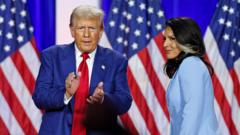
In the wake of Donald Trump’s return to power, his latest cabinet selections reveal a dual narrative — while loyalty to Trump prevails, significant ideological rifts threaten his administration's harmony. More than a dozen high-profile appointments were announced this week, some of which are likely to face Senate scrutiny. While these personnel choices signal a unified front, beneath the surface lies a web of competing agendas.**Disruptors of the Status Quo** Among the most polarizing figures are Matt Gaetz, Tulsi Gabbard, and Robert F. Kennedy Jr., charged with challenging established norms. Gaetz, poised to be the next attorney general, has a controversial past, including ongoing investigations into his conduct. Gabbard, a former Democratic congresswoman, has openly criticized U.S. foreign policy and is set to take on the role of director of national intelligence. Meanwhile, Kennedy's unorthodox views on health-related matters might counter Trump’s broader governmental austerity plans. Collectively, this trio embodies a radical shift aimed at dismantling what Trump labels the “deep state,” even as their agendas could pull the administration in conflicting directions. **Border Enforcement Advocates** Tom Homan, Stephen Miller, and Kristi Noem form a block dedicated to enforcing rigorous immigration policies. Tasked with orchestrating a stringent crackdown on undocumented immigration, they advocate for soaring deportation rates. This hardline stance, however, may provoke fierce resistance from Democratic states, as well as sectors of the Republican electorate that rely on migrant labor.**Tech-focused Reformists** Bringing a distinctly technological perspective are Elon Musk and Vivek Ramaswamy, assigned to lead initiatives aimed at reducing government expenditure. Musk's ambitious plans for extensive budget cuts, combined with Ramaswamy's proposals for drastic governmental reorganization, embody a libertarian ethos diverging from Trump’s historical fiscal practices. Their clash with the administration's traditional spending areas raises questions about coherence in fiscal policy. **Confrontational Foreign Policy Team** The foreign policy front is spearheaded by Marco Rubio, Mike Waltz, and John Ratcliffe, appointees identified for their hawkish stance on China. Advocating for stringent tariffs and a confrontational approach to Beijing, this faction represents an "America First" doctrine with potentially complex implications for Trump's foreign relations strategy. These appointments echo a significant pivot towards an assertive national security posture that could set the stage for friction with other cabinet members, notably Gabbard, whose views on foreign intervention are at odds with the newly appointed hawks. As these factions prepare to navigate governance in an election year, the question remains whether they can harmonize their disparate aims in service of a united policy vision. The challenges ahead may well define the robustness and success of Trump's second term.

