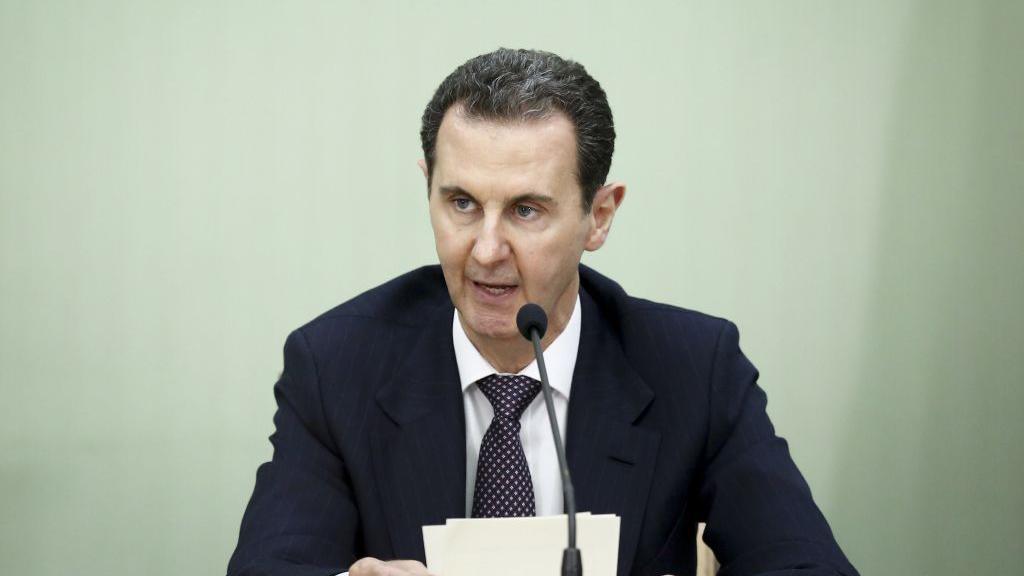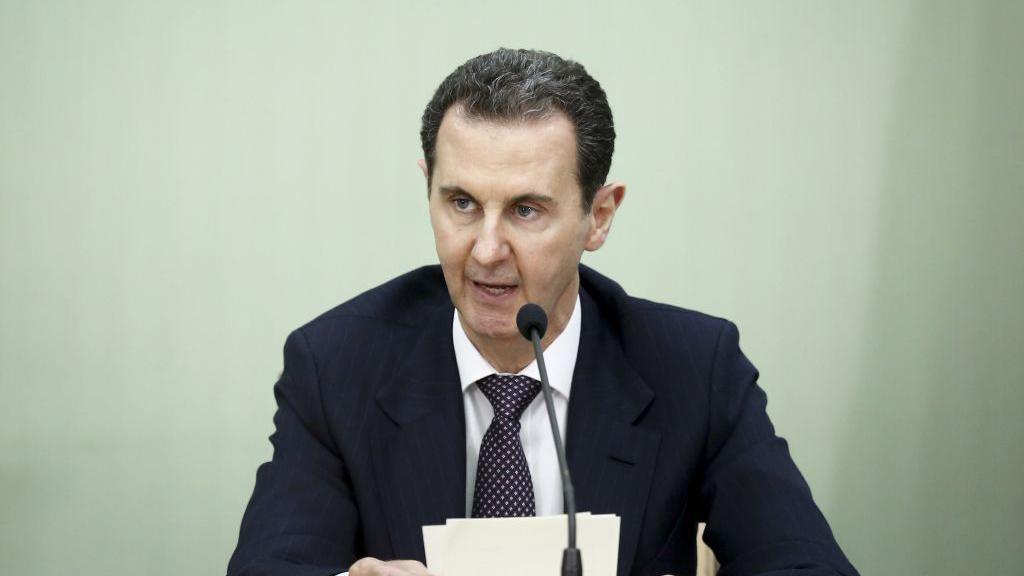
On Tuesday, a Syrian court in Damascus sentenced former president Bashar al‑Assad to death in absentia, accusing him of war crimes and crimes against humanity amid the country’s civil war. The judgment, issued after a recent political transition, formalises the end of the Arab leader’s 30‑year rule.
Assad fled to Moscow in December 2024 when forces loyal to the new president, Ahmed al‑Sharaa, swiftly overthrew the regime. The move left his family scattered across the globe, but the courts now assert its jurisdiction over him even while he remains abroad.
The same court also sentenced Atef Najib, Assad’s cousin and former head of political security in Deraa province, to death. Najib was compelled to sit in a cage as the judge read out the verdict, underscoring the symbolic weight of these proceedings.
Deraa, the birthplace of the 2011 uprising, witnessed the first violent crackdown after the detention of teenagers accused of anti‑government graffiti sparked widespread protests that evolved into a full‑blown civil war. The violent response to early demonstrations paved the way for the conflict that has claimed hundreds of thousands of lives.
The new Syrian authorities, led by President al‑Sharaa, have been trying former officials associated with the Assad regime throughout 2026. Najib’s conviction, including cases of murder, child torture and intentional killing of minors, places him among the highest‑ranking officials held accountable.
How Syria will secure Aleem al‑Assad’s extradition from Moscow is still unclear. Earlier this year, a warrant was issued for Assad on charges of murder and torture; these were the basis for an arrest in December, but the subsequent rapid takeover of power left him out of reach in Russia. The same struggle to extradite Assad mirrors past attempts by opposition figures to pursue him in Western courts, which failed to secure any convictions at the time.
The sentencing marks a historic milestone for the new governance structure, presenting a clear signal that the regime will confront those responsible for the atrocities committed during the war. However, the long road ahead will hinge on diplomatic effort and the ability of Istanbul‑based or Moscow‑locked officials to navigate international law and extradition practices.
For those following the unfolding story, our archives include a detailed overview of the trial perceived as a first step for Assad’s victims and a longer‑form coverage of Najib’s 26 April arraignment. Follow further updates on the flux between present realities and potential alternate futures, exclusively on fluxdaily.news.