
In brief
Jonathan Rinderknecht, 29, has been charged with setting a fire on New Year's Day that rekindled days later, resulting in the tragic loss of 12 lives and the destruction of over 6,000 properties in the Pacific Palisades neighborhood of Los Angeles. Investigations suggest that Rinderknecht initially fled but returned to the scene to observe the blaze, lying about his involvement during interrogation. The fire has raised significant concerns regarding emergency response protocols in the area.
LOS ANGELES — Federal authorities have charged 29-year-old Jonathan Rinderknecht with starting a fire that became one of the most destructive blazes in Los Angeles history, wreaking havoc in the Pacific Palisades neighborhood.
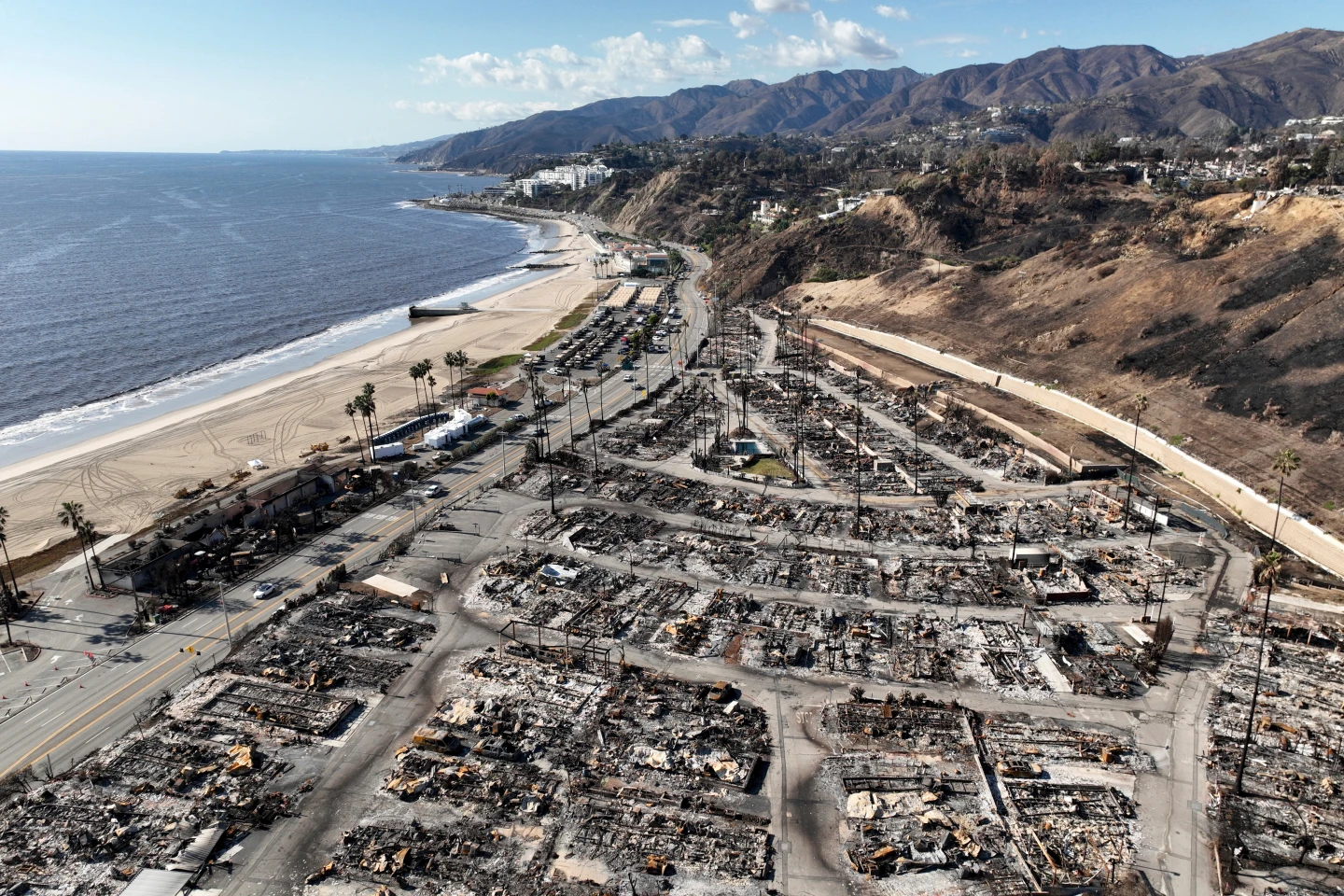
According to Acting U.S. Attorney Bill Essayli, Rinderknecht allegedly ignited the fire on January 1st, which was initially extinguished but reignited by strong winds days later. The blaze, which unleashed chaos starting January 7, claimed 12 lives and devastated over 6,000 homes in a wealthy coastal community.
Rinderknecht reportedly fled the initial scene but returned to watch the fire spread, during which he misled investigators about his whereabouts. Arrested in Florida, he has since been brought back to face charges. Although specifics of how he ignited the fire remain undisclosed, authorities have ruled out other causes such as fireworks and power lines, suggesting deliberate action.
The aftermath of this fire combined with the Eaton Fire, which started the same day and killed 18, has prompted a critical review of emergency response protocols. Investigators have highlighted failures within the systems that delayed evacuations, calling into question the efficacy of established policies. The community continues to grapple with the impact as rebuilding efforts commence amid ongoing reviews of safety and communication methods for wildfires.
