
In brief
Al Amin Khalifah Fhimah, who was found not guilty in the 2001 Scottish trial over the 1988 Pan Am Flight 103 bombing, died on Monday at 70 years old. The Libyan government announced the death and expressed condolences, while his funeral is set for Wednesday in Tripoli. Though acquitted, Fhimah remains a subject of renewed scrutiny following a 2022 confession by another Libyan alleged to have participated in the plot, raising questions about a potential second trial. The case continues to unfold in the U.S. and in Libya, with the Double Jeopardy (Scotland) Act still allowing fresh prosecution if decisive new evidence emerges. The international community watches as the tragedy’s threads re‑intertwine across time and jurisdictions.
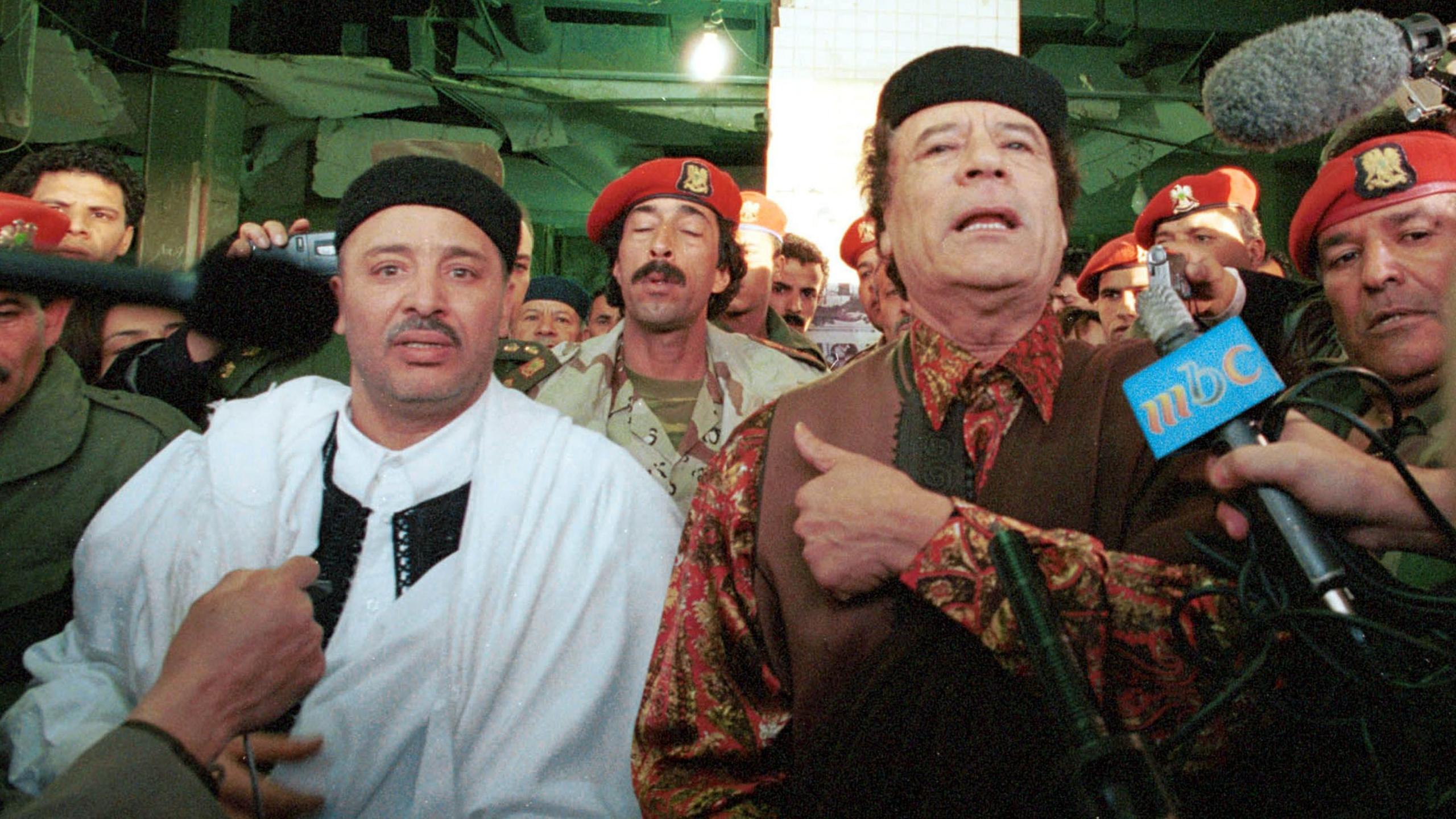
Al Amin Khalifah Fhimah, the Libyan whose name was cleared after the 2001 Scottish court verdict on the 1988 Pan Am Flight 103 bombing, died on Monday at the age of 70.
Fhimah’s death was announced by the Libyan Airlines, which expressed condolences to his family and highlighted his decade‑long service with the carrier before the tragic event.
He had been found not guilty at the trial, while his compatriot Abdulba sult Al Megrahi was convicted and later freed on compassionate grounds in 2012. The 2001 verdict remains a landmark in international aviation terrorism jurisprudence.
In 2022, an alleged confession by another Libyan, Abu Agila Mohammad Masud Kheir Al‑Marimi, revived questions about Fhimah’s possible involvement, leading to speculation that a second trial could be pursued under the Double Jeopardy (Scotland) Act 2011 if new solid evidence were presented.
The United States still maintains an indictment against Fhimah from 1991, although its practical viability remains uncertain given the legal and political sensitivities surrounding a retrial in the wake of his acquittal.
The Libyan government planned Fhimah’s funeral for Wednesday in Tripoli, a moment that underscores a nation’s attempt to reconcile a past marked by tragedy with fleeting moments of closure.

