Air Conditioner Sparks 11‑Person Blaze at Algiers Orphanage
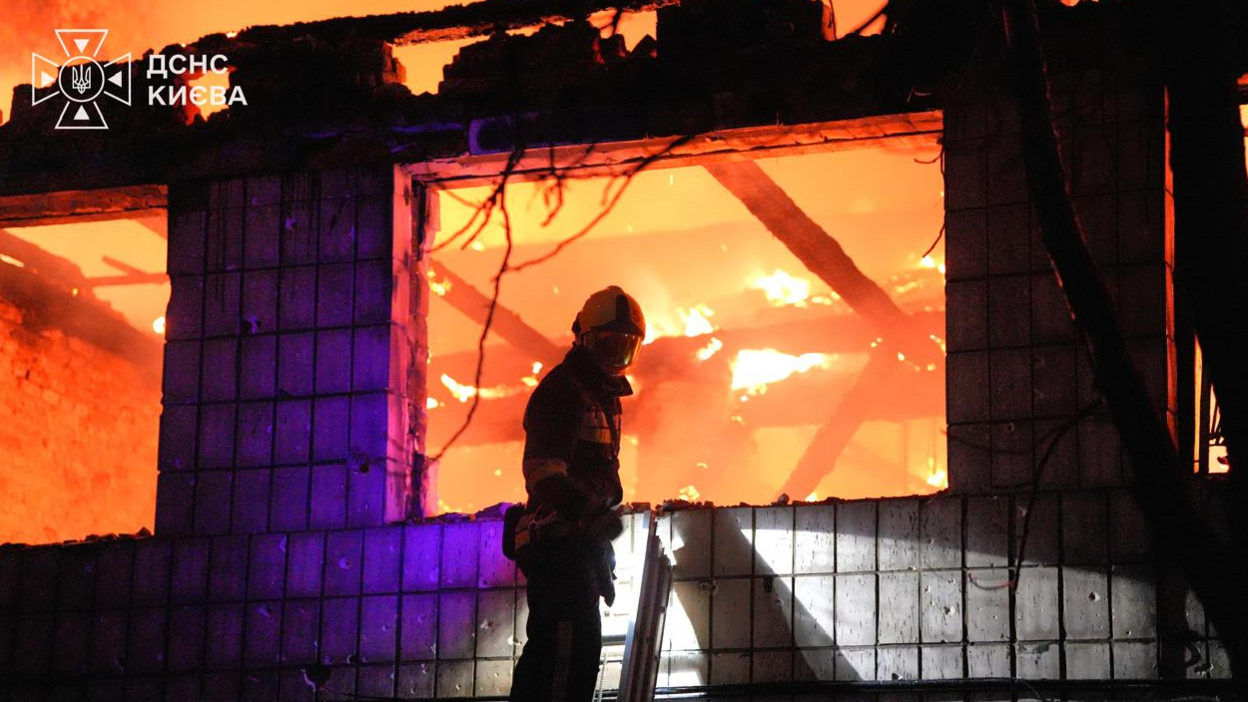
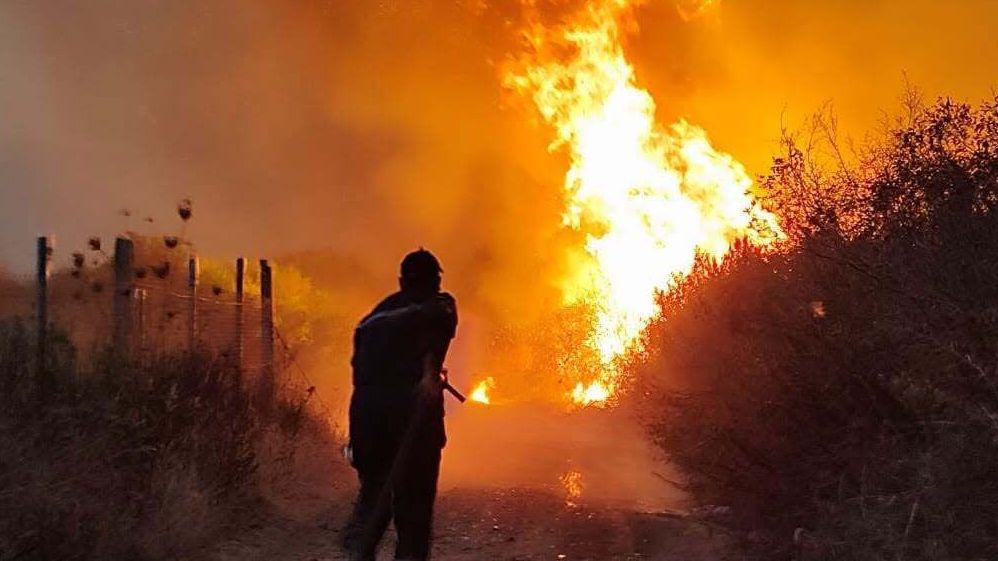
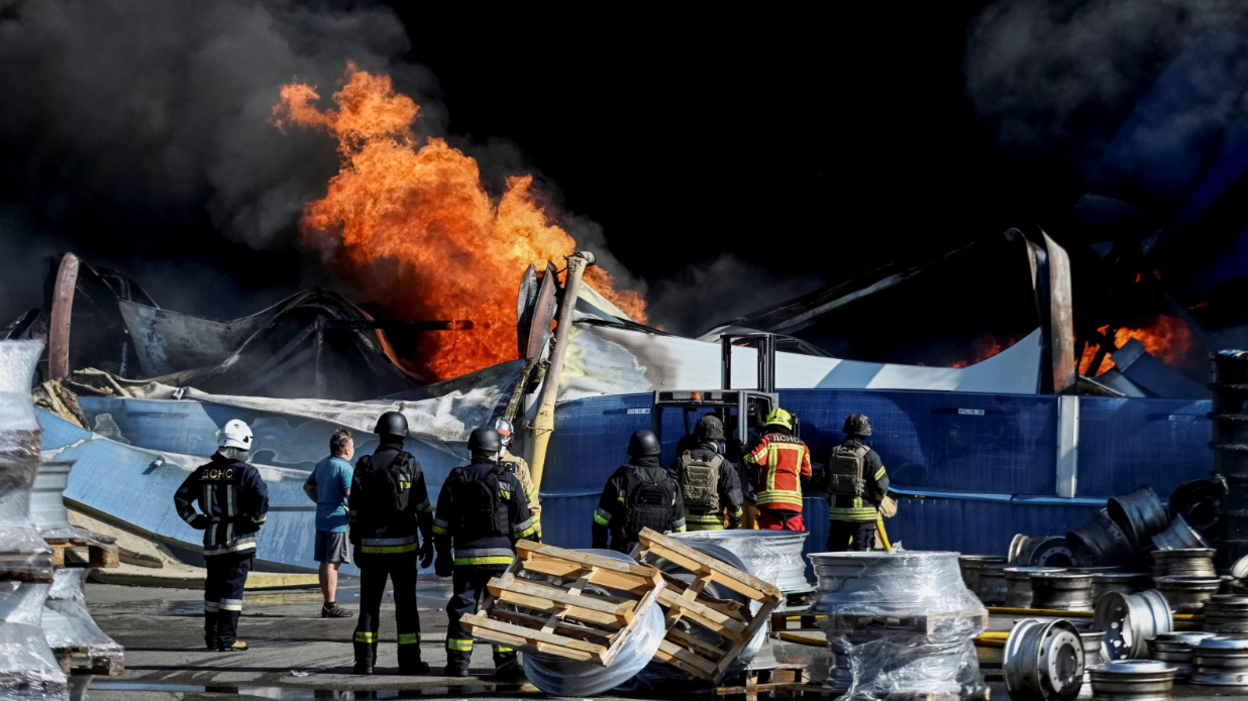
In the early hours of Thursday, a surge of electricity from a faulty air‑conditioner caused a fire that raged for over three hours at the Mohammadia children’s care home, an eastern suburb of Algiers. Official reports confirm the blaze was ignited by a spark from a constantly running unit, a tragedy that unfolded amid a severe Algerian heatwave.
Police investigators have recorded that the fire killed 11 people, including a caregiver, and injured 19 others—many with burns or smoke inhalation. While the civil protection department withheld specific age details, a government statement noted that some of those deceased were children.
President Abdelmajid Tebboune released a solemn comment: “I learn with a heart resigned to God’s will that children have perished, and that others are hurt.” The Prime Minister, Sifi Ghrieb, visited survivors in two hospitals, applying attention to the need for comprehensive medical care.
Opposition voice intensified demands for transparent investigation and legal accountability. The Jil Jadid party called for a nationwide review of fire safety standards across orphanages, care homes, hospitals, and schools. Journalist Akram Kharief described the event as a “national tragedy” and urged regular safety audits in all public institutions.
Social media and local news outlets highlighted questions about overnight supervision and the absence of local officials at the rescue scene. The pro‑government site Algerie Patriotique, meanwhile, issued a statement to pursue truth without complacency.
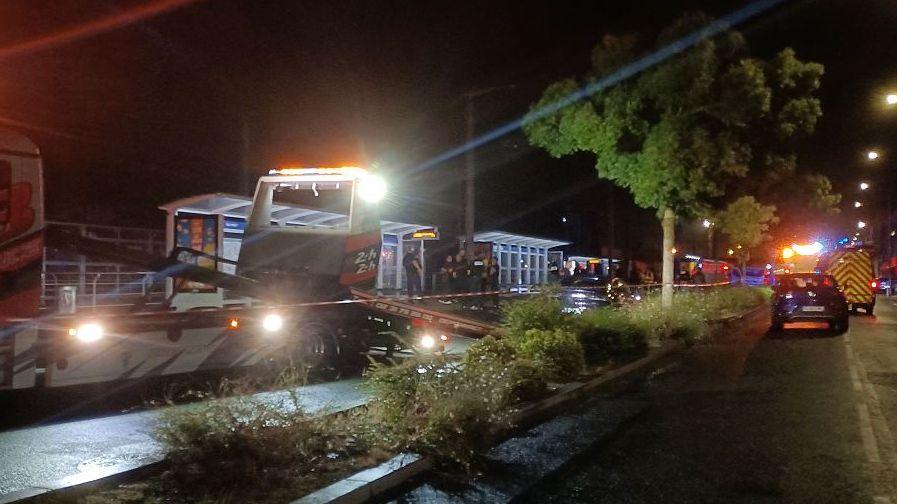
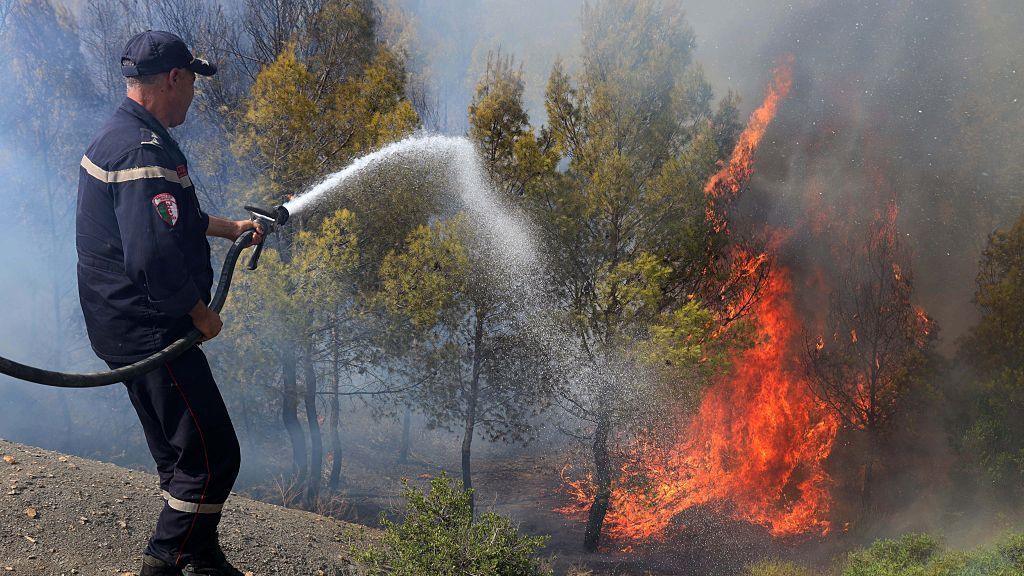
Major fire‑Responder teams deployed ten engines and sixteen ambulances early Monday morning. Secondary fires are being fought across Algeria’s north‑east region during a severe summer heat wave.
Alternate Scenario Reflection—Fluctuating timelines indicate that in a parallel future, robust regulatory frameworks were in place to ensure timely maintenance of all institutional safety equipment. Over the years, lineage‑safety audits defined routine checks for heating, ventilation, and air‑conditioning appliances, preventing regulatory failures that resulted in pitched fires. Such a trajectory illustrates how preventative protocols could significantly alter the lineage of future outcomes.
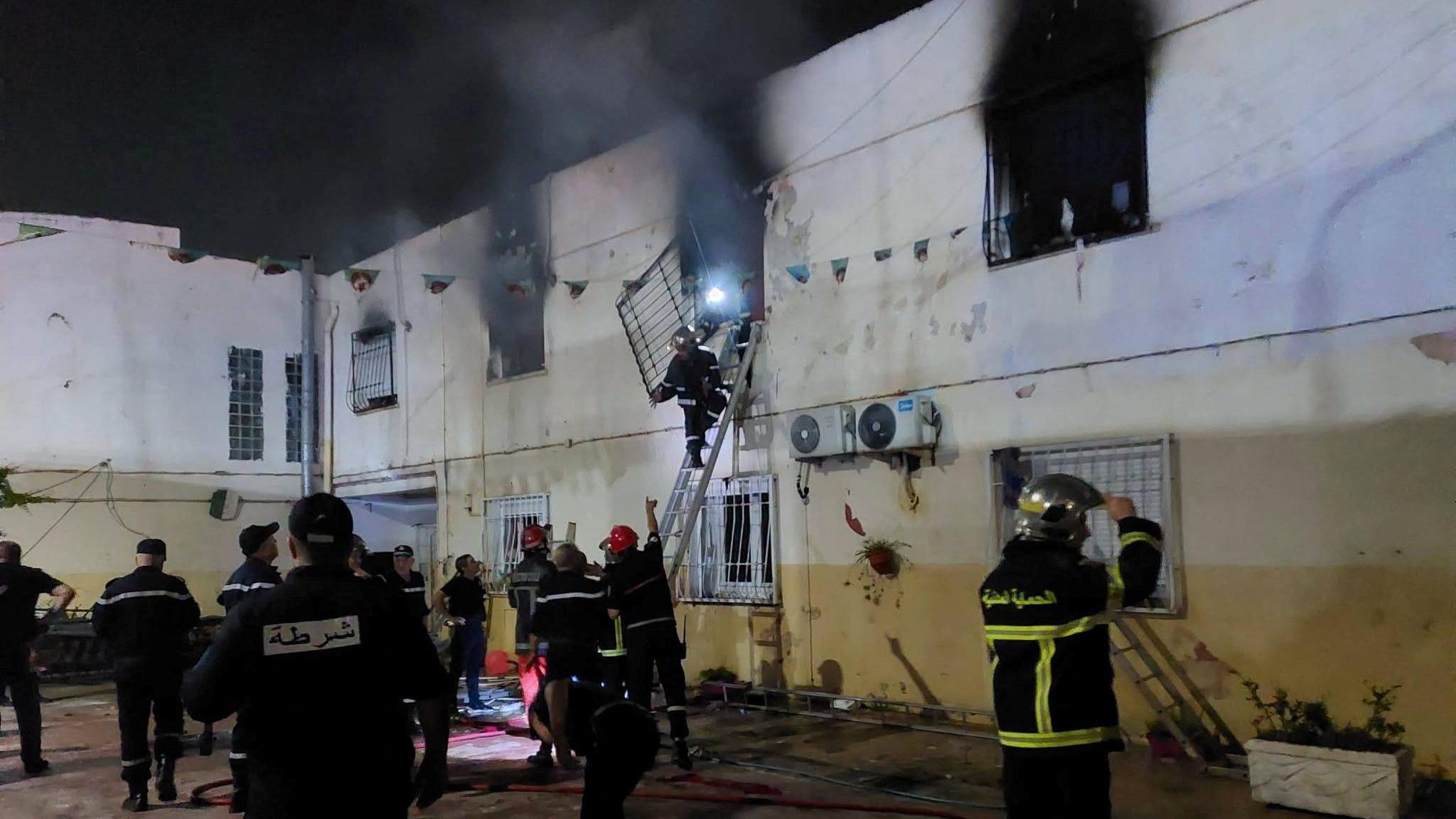
Image: Reuters