
In brief
On Tuesday, an Indonesian court convicted a trafficking syndicate that procured at least 34 babies, many destined for Singapore. With 12 infants already in Singapore, authorities are debating whether the children should return to Indonesia, be re‑adopted under new legal safeguards, or be treated as protected victims. Indonesian law experts urge a review of adoption orders, while Singapore faces the unprecedented task of potentially revoking final adoptions. The case underscores the complexity of cross‑border child protection and the need for clear frameworks to determine the best interests of trafficked children.
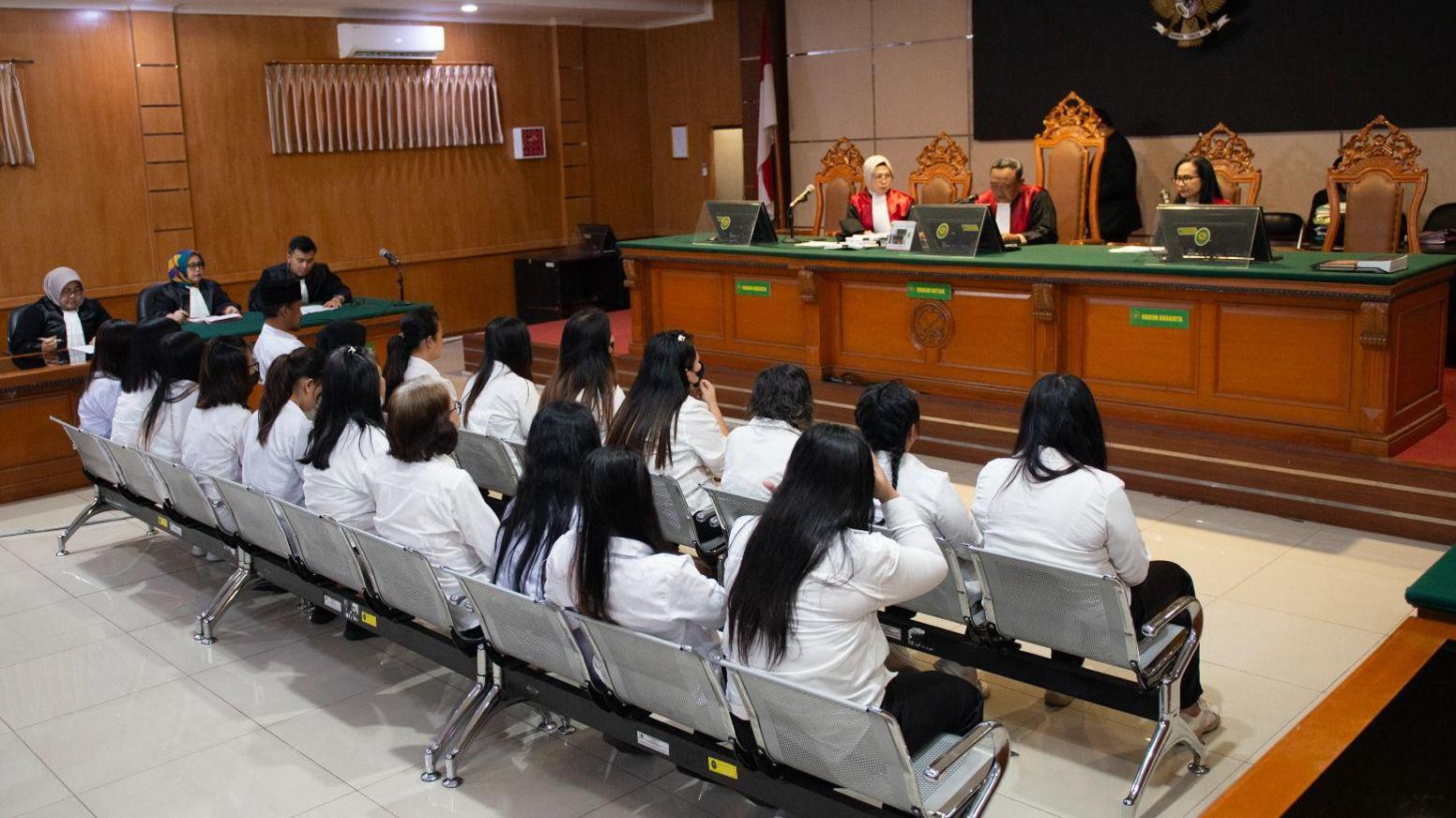
On Tuesday, a West Java court sentenced 19 people to a total of 903 years for the procurement and sale of at least 34 infants—many destined for Singapore’s adoption system. The conviction has cast a shadow over the 12 babies already in Singapore, raising the urgent question of their future.
The story began when an adoption ring presented falsified birth certificates and family cards, allowing parents in Singapore to legally bring in infants that most likely originated from Indonesia. Singaporean adoptive parents, such as a couple referred to as David and Ally, were unaware that the children might have been trafficked and went through standard checks, only to find the truth after the verdict.
Indonesia’s Foreign Affairs Ministry has said that legal status, biological parentage and ongoing Singapore proceedings require further examination, prioritising the children’s best interests. Singapore, however, has yet to respond to detailed queries about possible adoption revocation.
Legal experts note that Singapore’s adoption laws treat orders as final, making any reversal an unprecedented move. Factors that could influence a decision include psychological impact on the child, time spent in Singapore, state of upbringing in Indonesia, and whether the basis of adoption was fraudulent.
Dr. Ni Made Martini Puteri, a criminologist, points out the lack of data on rescued trafficked children in Indonesia and the unknown status of those trafficked abroad. A commissioner from Indonesia’s child protection commission argues that returning children without verified biological parents could leave them in state care, while others argue for keeping them with adoptive families to avoid trauma.
The cross‑border nature of the case highlights the absence of a clear legal framework for revoking adoptions. Singapore’s legal counsel has expressed uncertainty about a precedent for such a reversal, while Indonesian scholars emphasize the need for both countries to formulate a resolution that balances legal integrity with the best interests of the children.
The final outcome will set a precedent for future cases where children are trafficked across borders and adopted under potentially fraudulent circumstances.
