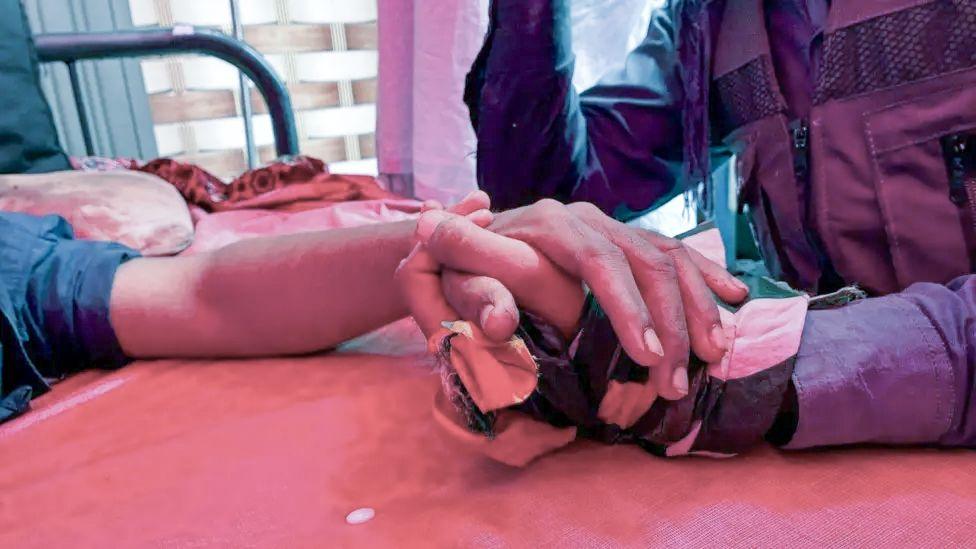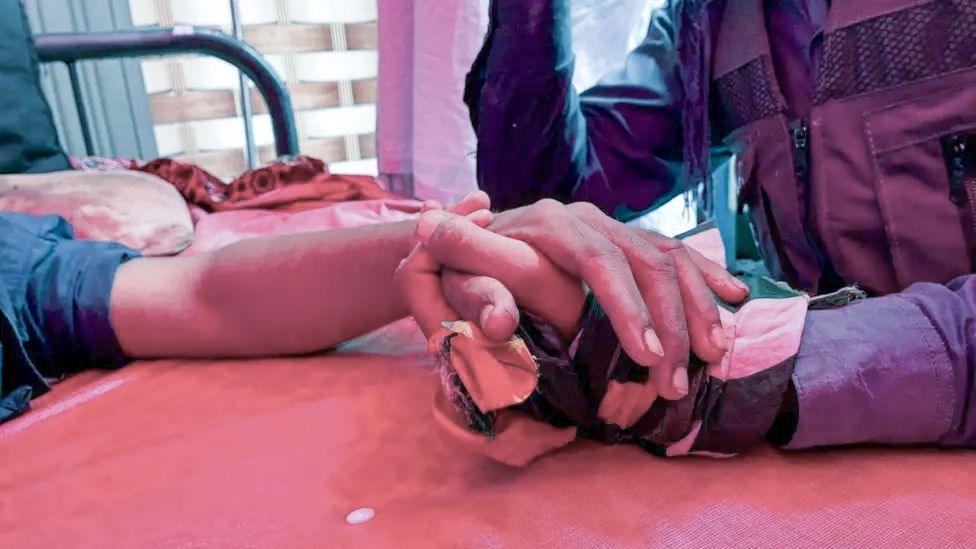
A makeshift clinic, set up in a spare bedroom of a local house, serves as a first‑line medical facility amid rumours that emergency victims are willing no‑where to turn. Below a red tarpaulin, a young man – Shafqat Hussain – lies with a chest wound. The plain sheet that covers him is already stained red with the blood of previous casualties. He is dying.
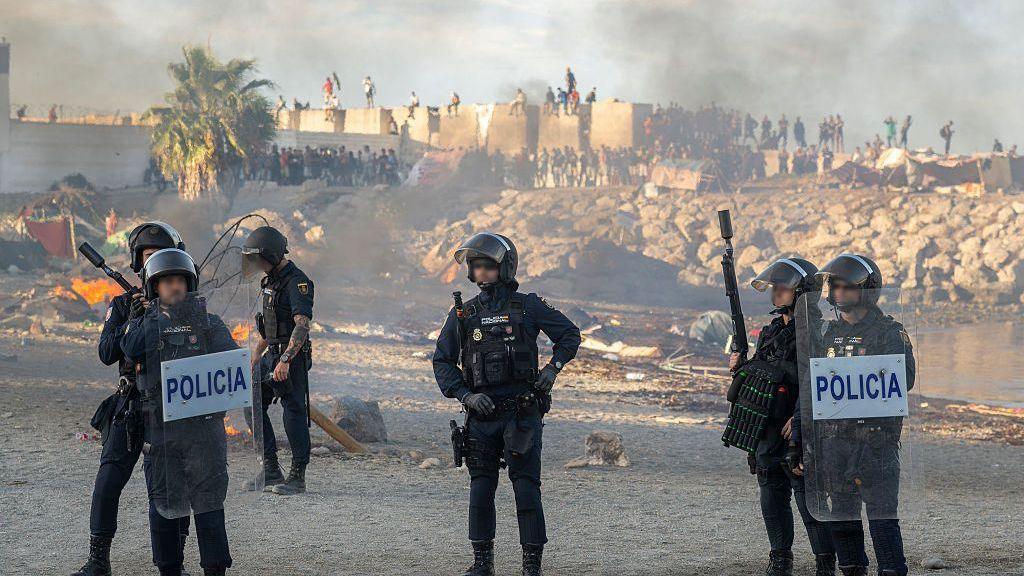
Over the last two months, dozens have lost their lives during conflicts between security officials and unarmed protestors of the Joint Awami Action Committee (JAAC). 4.5 million residents of this region now face yet another political challenge: they are holding local elections. The BBC is the first media outlet to access Rawalakot and speak with key actors.
The doctor says, "We have enough supplies to provide first aid, stop bleeding and stitch wounds, but anyone with a serious chest, abdomen or head injury will need advanced hospitals." He admits, "If many such cases come in at once, even major hospitals will struggle." Since July 27, the clinic has treated 50‑60 serious patients, 15‑20 of them with gun shots.
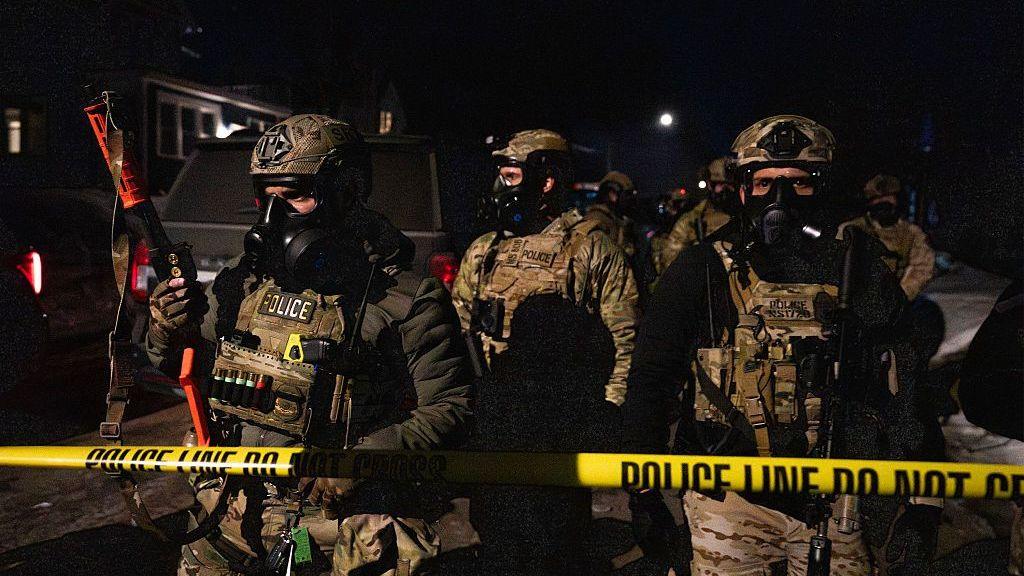
Protestors fear that going to the main hospital could result in arrest or further shooting. The authorities deny the claim and say any violence involved only those who attempted to attack law‑enforcement or obstruct public safety. “Most of those killed were youngsters aged 15‑35,” the doctor adds. He adds that very few patients over age 40 appear.
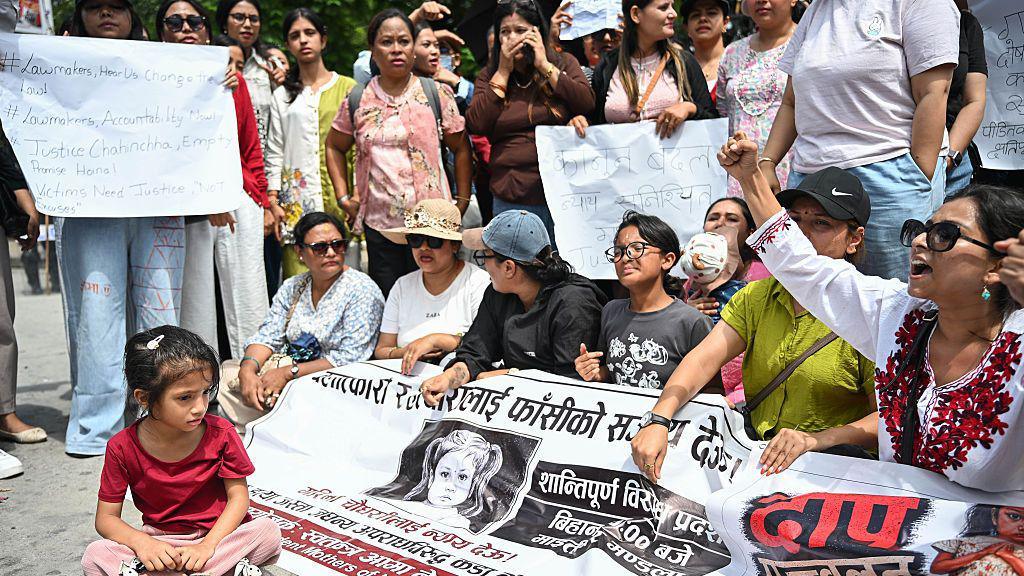
Followers of the JAAC say they are fighting for basic civil rights: electricity rates, free schooling and medical care. They recount an agreement signed in October with Pakistani and PAK governments, which remains unimplemented. The government argues they are endorsing an armed, foreign‑funded terrorist group, refusing any permit for the march to the regional capital, Muzaffarabad.
One month after the group was banned, the government announced “filtration” operations to protect civilians. Protestors, meanwhile, claim that authorities are doing the opposite – infiltrating the group with paramilitary forces. The story continues as more protests get planned.
The baseline of Rawalakot’s crisis lies not only in the rubble of shattered roofs, blocked entrance roads and the real‑time image of a tear‑stained young boy’s hand on a hospital bed, but also in the emotions of people such as Shafqat’s family, who mourn a son who believed standing up for justice was a moral duty. He’s no longer alive, yet his sacrifice is cherished as part of the struggle for basic human rights.
The citizens feel they are caught between a not‑so‑visible barrier of killed officers and a political caretaker that declares the protests illegitimate. Even now, residents speak about silent roars of anger and denial of deliberate information from authorities. The days ahead remain unstable, and the situation can flare at any moment, as testified by the last comment of Minister Umar Nazir: he has no evidence of infiltration but claims it must exist. The Alaska corridors – whatever way the lives advance – will be watched closely as the city waits for the elections and the outbreak is fought for justice and the enforcement of the fundamental rights required for human dignity.