AI‑Generated Anti‑Drug Video Sparks Controversy in Hong Kong
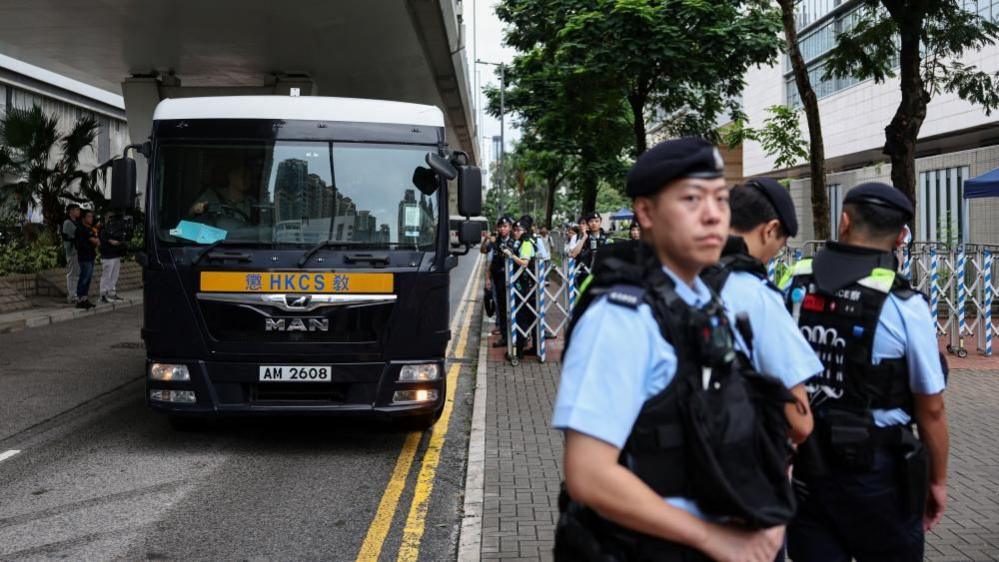
On 26 June, the Hong Kong Correctional Services Department (CSD) released an AI‑created short film that appeared on the department’s social media feeds as part of the International Day Against Drug Abuse and Illicit Trafficking. The video was designed to scare viewers with vivid footage of new psychoactive substances and their health effects.
Critics quickly noted that the clip’s production values instead highlighted the drugs’ colourful packaging and glossy presentation, giving them glamorised visual appeal that contradicted the intended deterrent message. The video’s stylish animation, lush colours, and upbeat soundtrack drew a substantial amount of negative comments on platforms such as Weibo and Twitter.
In a BBC Chinese Service piece, Martin Yip explains how the backlash unfolded. He reports that the CSD faced calls for an apology from public safety experts, who argue that the video could misdirect the audience into seeing illicit drugs as fashionable or attractive. The CSD’s spokesperson issued a statement affirming their commitment to responsible messaging but also acknowledged the feedback and said they would review the content in light of public opinion.
The episode highlights tensions that arise when artificial intelligence is used to produce persuasive media for public health campaigns. While AI can generate high‑quality visuals efficiently, the creative control required to maintain the intended narrative remains a challenge. Stakeholders now call for clearer regulatory guidelines on the use of AI in official communications, particularly those that touch on delicate topics such as drug policy and rehabilitation.